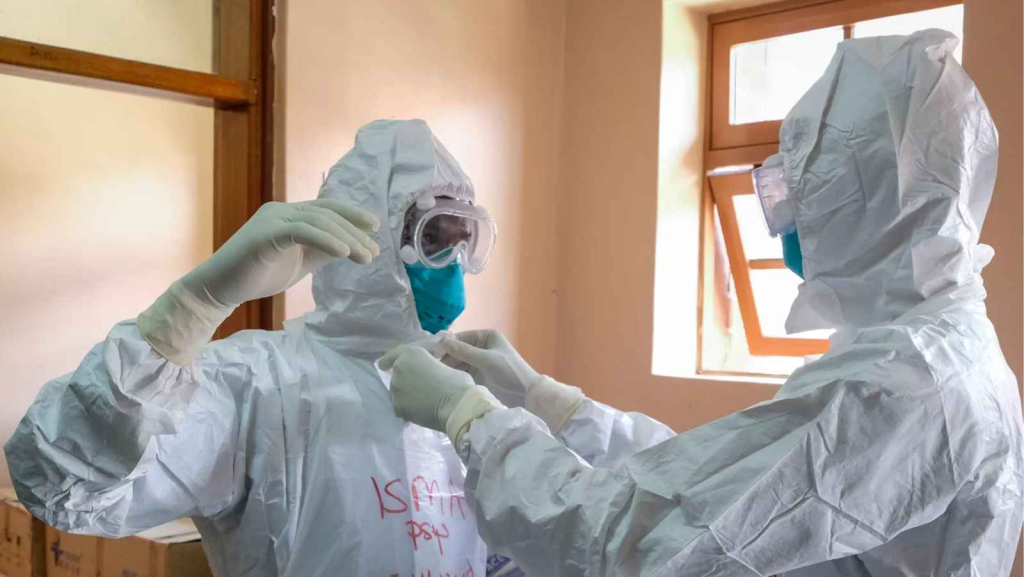
Africa CDC Director‑General Jean Kaseya warned on Friday, October 28, that the Ebola outbreak spreading across the continent remains uncontrolled, citing more than 10,200 confirmed infections and upwards of 5,000 deaths. The statement followed a virtual ministerial meeting that gathered over 42 health ministers and 600 participants to review response efforts.
What did the Africa CDC say?
The agency’s assessment, presented during Channels Television’s Morning Brief programme, highlighted that the disease is still transmitting widely and its geographical footprint is shifting. “We analysed the data and we saw that the outbreak is not yet under control,” Kaseya said.
Which countries are most affected?
The worst‑hit nation is the Democratic Republic of the Congo (DRC), which alone accounts for more than 10,000 of the confirmed cases and nearly 5,000 deaths. Data from the European Centre for Disease Prevention and Control recorded 10,193 cases and 4,960 fatalities in the DRC as of Oct.
- Kenya has reported nine cases, including two deaths, linked to an imported infection from the DRC. Nigeria confirmed its first case in over a decade on Oct. 20 when a 42‑year‑old Swiss woman tested positive for the Bundibugyo strain of Ebola (Ebola) in Abuja.
What is the situation in Nigeria?
The patient was isolated, treated by local health workers, and medically evacuated to Switzerland on Oct. 26 after stabilising. Her husband, identified as a close contact, was also evacuated. Following the evacuation, World Health Organization Regional Director for Africa Mohamed Janabi stated that Nigeria had no confirmed cases at that moment, but cautioned that the country had not yet been declared Ebola‑free. The WHO requires a 42‑day monitoring period for all contacts before an official clearance can be issued.
What are the next steps?
The Nigeria Centre for Disease Control (NCDC) reported on Oct. 29 that 62 contacts linked to the index case were under observation, with no new symptomatic contacts identified in the previous 24 hours. Health authorities continue to monitor potential secondary cases and stress the importance of cross‑border coordination, given the heightened risk of transmission as people move across African nations.
The ongoing spread underscores concerns about the capacity of African health systems to contain infectious diseases, especially as the epicentre of the outbreak appears to be shifting to new regions.