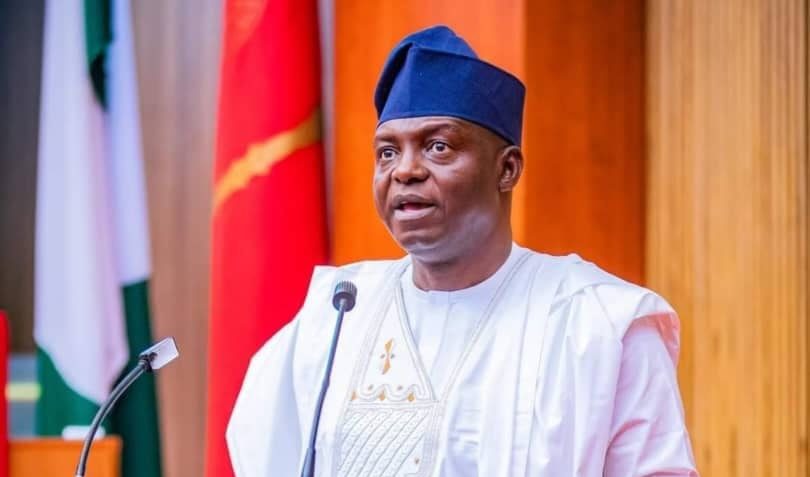
Prof. Nentawe Goshwe Yilwatda, national chairman of the All Progressives Congress, announced on Friday in Uyo, Akwa Ibom State, that Nigeria’s ambition to become a $1 trillion economy is attainable. Speaking at a rally held at the Senator Godswill Akpabio International Stadium, he linked the prospect to the economic reforms introduced by President Bola Tinubu and highlighted recent endorsements from the World Bank and the International Monetary Fund.
What reforms have been recognised?
Yilwatda noted that the reforms are laying the groundwork for a more productive and prosperous nation. He warned that abandoning these measures would undo progress made in tackling Nigeria’s long‑standing structural challenges. He added that while the reforms have required difficult adjustments for Nigerians, they are essential for long‑term stability.
Why is the $1 trillion target significant?
The APC chairman stressed that the $1 trillion goal is more than a political slogan; it is a national development objective supported by deliberate policy choices and ongoing economic restructuring. He cited investments in infrastructure, transportation, education, maritime development, and financial inclusion as the pillars of the administration’s agenda.
Which projects illustrate the agenda?
Yilwatda highlighted the Lagos‑Calabar Coastal Highway, describing it as a catalyst for improved connectivity, increased commercial activity, and new economic opportunities for Akwa Ibom and other coastal communities. He also emphasized the government’s focus on the maritime sector, which he said would boost the competitiveness of coastal states and raise their contribution to national development.
How are education and social investments being addressed?
The chairman praised the student loan scheme for expanding access to higher education and pointed to initiatives targeting women and small businesses as means of broadening economic participation. He further explained that recent tax reforms aim to lessen the burden on low‑income earners and small enterprises, allowing them to retain more earnings and operate in a more favourable business environment.
What progress has been made in industrial relations?
Yilwatda listed improved industrial harmony in educational institutions and efforts to settle outstanding obligations to workers, pensioners, and retirees of formerly privatised public enterprises as notable achievements of the current administration.
What is the call to Nigerians?
Urging nationwide support for the reform process, Yilwatda warned, “Never again should Nigeria return to Egypt. We cannot afford to abandon the difficult but necessary work of rebuilding our economy and repositioning our country for sustainable growth.” He concluded that the policies and investments underway are positioning Nigeria for lasting prosperity and greater economic competitiveness.