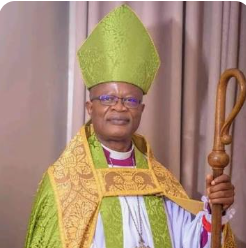
Nigeria's escalating public debt has drawn sharp criticism from the Anglican Archbishop of Owerri, Most Rev. David O. C. Onuoha, who questioned the wisdom behind the Federal Government's persistent borrowing habits amidst severe economic hardship. Addressing the Provincial Council meeting at St. Paul’s Anglican Church in Avutu, Obowo Local Government Area of Imo State, the cleric decried the federal legislature's eagerness to greenlight fresh loan requests from the current administration.
What are the figures behind the country's rising debt burden?
Citing data released by the Debt Management Office on September 25, 2026, Archbishop Onuoha highlighted that the nation's total public debt stood at N166.79 trillion as of June 2026. Based on an estimated population of approximately 237 million people, this translates to an average debt burden of between N702,185 and N716,822 for every individual living in the country. Furthermore, official figures indicated that during the first half of 2026 alone, Nigeria expended N5.28 trillion on domestic debt servicing alongside $1.82 billion for external debt obligations. The archbishop strongly emphasized that these massive expenditures went solely toward servicing existing liabilities rather than reducing the actual principal amounts.
Why does corruption remain a central barrier to economic recovery?
The clergyman laid the blame for the intangible impact of previous borrowings squarely on widespread corruption. He noted that successive administrations have continually accumulated foreign and local loans without citizens experiencing any tangible developmental benefits, even as future generations are left to shoulder the repayment obligations. Onuoha argued that structural reforms initiated by the government are bound to fail if systemic corruption is not frontally tackled. According to him, no policy or reform, regardless of how noble its initial intentions might be, can yield positive outcomes in an environment where corrupt practices remain unchecked.
In addition to fiscal concerns, the archbishop directed criticism toward current economic stabilization policies, asserting that they have only succeeded in deepening poverty and magnifying the daily struggles of ordinary citizens across the country.