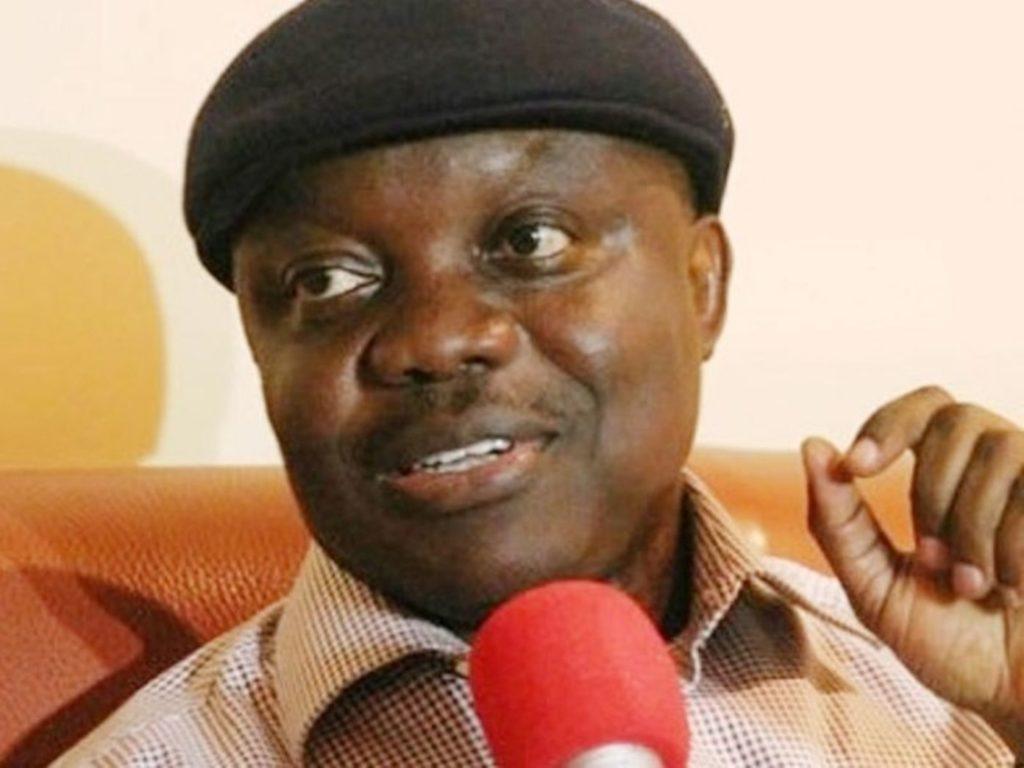
The body of former Delta State governor Dr. Emmanuel Uduaghan was flown into Osubi Airport in Okpe LGA on Tuesday, where Governor Sheriff Oborevwori and his wife received the remains before the family was visited at the late leader’s Warri residence; the 71‑year‑old former governor had served from 2007 to 2015 and his death was announced by his son, Toju.
**Key facts**
- Uduaghan died at age 71, with his death confirmed on Monday by his son.
- He governed Delta State for two terms (2007‑2015) and previously held the posts of Commissioner for Health and Secretary to the State Government under James Ibori.
- Governor [Sheriff Oborevwori](https://www.delta.gov.ng/governor) described him as a quiet, articulate leader who championed the Asaba International Airport project.
- Former President‑elect candidate [Peter Obi](https://en.wikipedia.org/wiki/Peter_Obi) called Uduaghan a “brother” and praised his role in securing the Second Niger Bridge contract.
- The Niger Delta Development Commission (NDDC) Chairman Chiedu Ebie, former Edo governor Godwin Obaseki and NDC governorship candidate Deacon Chris Iyovwaye also issued condolence statements.
What tributes were offered?
Governor Oborevwori, accompanied by his wife Tobore, welcomed the remains and later met the family, expressing sorrow and recalling the political mentorship he received when appointed as a special adviser in 2007. He said, “He contributed immensely to the development of Delta State, especially the Asaba International Airport. He was a man of few words, very articulate and calm. He has gone, but he can never be forgotten by Deltans.”
Peter Obi’s condolence message highlighted a close personal bond, noting that Uduaghan treated him like a younger brother and that they jointly advocated for the Second Niger Bridge, a project he said was vital for national integration and the development of the South‑East and South‑South regions.
NDDC Chairman Chiedu Ebie, through his aide Jerome‑Mario Utomi, described the loss as a collective grief, emphasizing that Uduaghan’s life was intertwined with the aspirations and challenges of Delta’s people.
Former Edo State governor Godwin Obaseki called the death a painful loss for Delta, the South‑South and Nigeria’s political community, recalling Uduaghan’s medical background and his “Delta Beyond Oil” vision that sought to diversify the state’s economy.
NDC governorship candidate Deacon Chris Iyovwaye mourned the former governor as an elder brother, praising the “Delta Beyond Oil” initiative and his contributions to health, education, infrastructure and human‑capital development.
How did community leaders remember him?
Chief Joseph Evah of the Ijaw Monitoring Group labelled Uduaghan a “political bridge‑builder without bitterness,” recalling his 2006 visit to the Niger Delta Hall of Fame and his commitment to unity across all Niger Delta tribes.
Dr. Monday Agbeyi, chairman of the Ifiekporo Community, described Uduaghan as a detribalised statesman whose leadership transcended ethnic, political and religious lines, stressing his belief in a united Delta and Nigeria.
Former Delta State Assembly Speaker Peter Onwusanaya called him “one of the greatest Deltans” who promoted peace, unity and development irrespective of ethnicity or party affiliation.
Ambassador Oma Djebah, former Nigerian envoy to Thailand, remembered Uduaghan as a visionary statesman whose peace‑building efforts helped end the volatile Niger Delta crisis, calling his death a “void that would be very difficult to fill.”
Overall, the outpouring of condolences underscores Uduaghan’s lasting impact on Delta State’s political landscape, infrastructure development and regional cohesion.