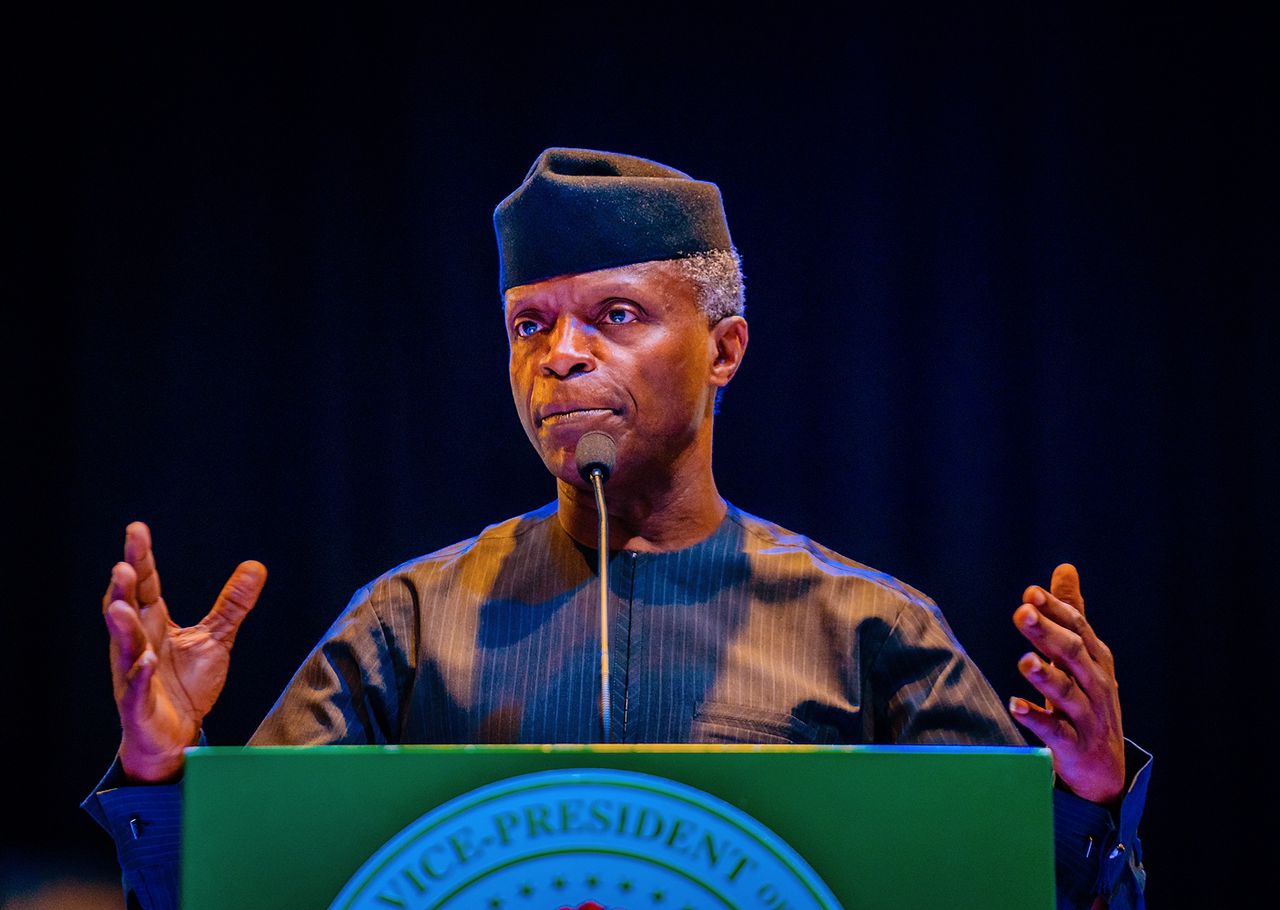
Deputy Senate President Barau Jibrin criticised former Vice‑President Yemi Osinbajo’s bleak assessment of Nigeria’s economy and democratic health, insisting the President Bola Tinubu administration is already tackling the long‑standing problems highlighted by Afrobarometer surveys.
He argued that while the Afrobarometer data – which show 59 % of Africans rating their economies as poor and only 38 % satisfied with democracy – are credible, the government’s failure to communicate its reforms fuels the negative perception.
What did Barau Jibrin say about the surveys?
He described Osinbajo’s lecture as “very beautiful and thought‑provoking” but added that the gloomy picture stems largely from “the issue of communication between the leaders and the led. There is no proper communication.”
How is the government addressing education?
Jibrin noted that the administration is expanding access to schooling through the National Education Trust Fund (NELFUND), making education attainable for virtually every child who wishes to attend school, regardless of background.
What infrastructure projects are underway?
He pointed to several road initiatives, including the Lagos‑Calabar coastal highway, the Badagry‑Sokoto corridor, and numerous projects in the North‑East and North‑West, as evidence that the government is closing the infrastructure gap essential for economic prosperity.
Why is the cost of living rising?
According to Jibrin, rising prices are not solely a domestic issue but are amplified by global factors such as the Russia‑Ukraine war, Middle‑East tensions, and disruptions in the Strait of Hormuz, all of which have driven up energy costs and strained supply chains worldwide.
Barau Jibrin, a senator from Kano North, also praised Osinbajo’s oratory skills, calling him “a good public speaker and an intellectual to the core,” before urging sustained public engagement so Nigerians are better informed about policies, projects, and interventions.
What is the broader implication for democracy?
He warned that persistent hardship could erode confidence in democratic institutions, especially among youth, and emphasized that transparent communication and visible development projects are vital to restoring trust.
Overall, the Deputy Senate President maintained that both federal and state governments are actively working on education, infrastructure, and economic development, but stressed that improved dialogue with citizens is essential for the reforms to be recognized.