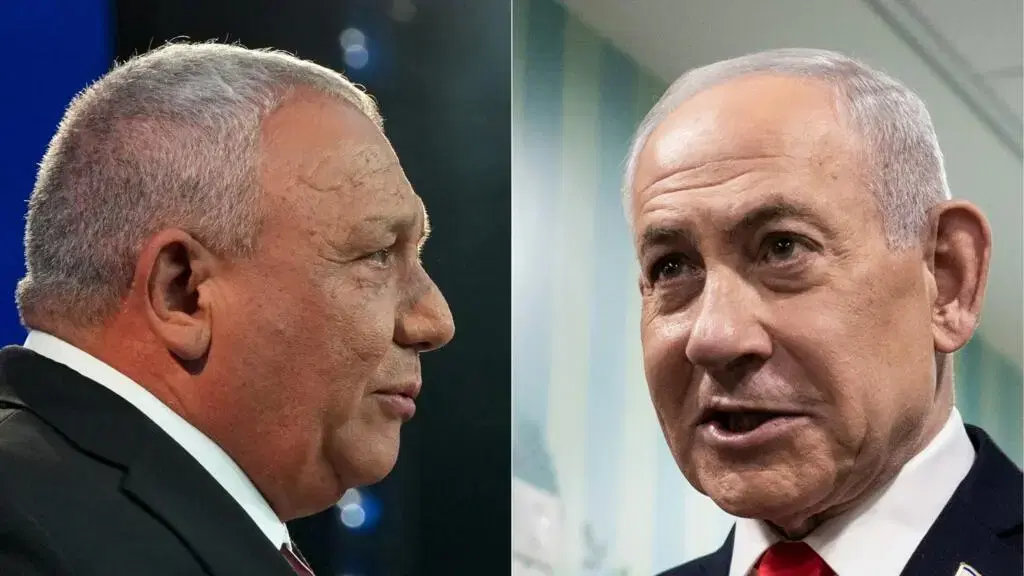
Gadi Eisenkot has become the leading candidate to be tasked with assembling a new Israeli cabinet after a key ultra‑Orthodox party refused to recommend incumbent Prime Minister Benjamin Netanyahu, according to President Isaac Herzog’s ongoing coalition talks.
What are the exact numbers?
- Netanyahu’s bloc, together with United Torah Judaism, controls 53 seats in the 120‑member Knesset.
- Eisenkot’s alliance holds 48 seats.
- Arab‑Israeli lists secured 19 seats, a surge driven by voter anger over Netanyahu’s hard‑right policies.
- The president has two days of consultations after the October 27 vote, during which neither Netanyahu nor Eisenkot achieved a clear majority.
Who are the central players?
- Gadi Eisenkot, former chief of the Israeli Defence Forces, has pledged to restore national unity and has signalled a willingness to end military‑service exemptions for religious students.
- Benjamin Netanyahu, the long‑standing right‑wing leader, has overseen three years of conflict and continues to defend the exemption for Torah‑study students.
- President Isaac Herzog holds the constitutional authority to appoint the individual who will attempt to form a coalition, though tradition favours the candidate with the broadest party support.
Why did United Torah Judaism decline to recommend Netanyahu?
The party, representing Ashkenazi ultra‑Orthodox Jews, issued a statement saying it would not put forward any Knesset member to lead a new government. While it stopped short of endorsing Eisenkot, the move appears intended to pressure Netanyahu and demonstrate that its parliamentary votes are no longer a given.
What stance does the party take on military exemptions?
United Torah Judaism lawmaker Isaac Pindrus declared that the immediate priority for any forthcoming administration is to resolve the status of Torah‑study students, who are currently exempt from conscription. Eisenkot, by contrast, has consistently advocated for ending these exemptions, arguing that the ultra‑Orthodox community, which makes up about 14 % of Israel’s population but enjoys higher birth rates, places a disproportionate fiscal burden on the state.
How might Arab parties influence the coalition?
The Ra’am list, led by Mansour Abbas, formally recommended Eisenkot to Herzog, marking the first time the Arab bloc included a Jewish candidate on its slate. Their 19 seats could tip the balance in Eisenkot’s favour, but such an alliance risks alienating right‑wing allies like Avigdor Liberman, a former Netanyahu aide who shares hawkish views on the Palestinian issue.
What are the next steps?
Once Herzog designates a mandate holder—most likely Eisenkot or Netanyahu—the appointed lawmaker will have 28 days, with a possible 14‑day extension, to forge a governing coalition. Failure to do so will prompt the president to assign the task to another figure.
The unfolding negotiations underscore the growing influence of Israel’s religious parties and the pivotal role of Arab‑Israeli lawmakers in shaping the country’s political future.