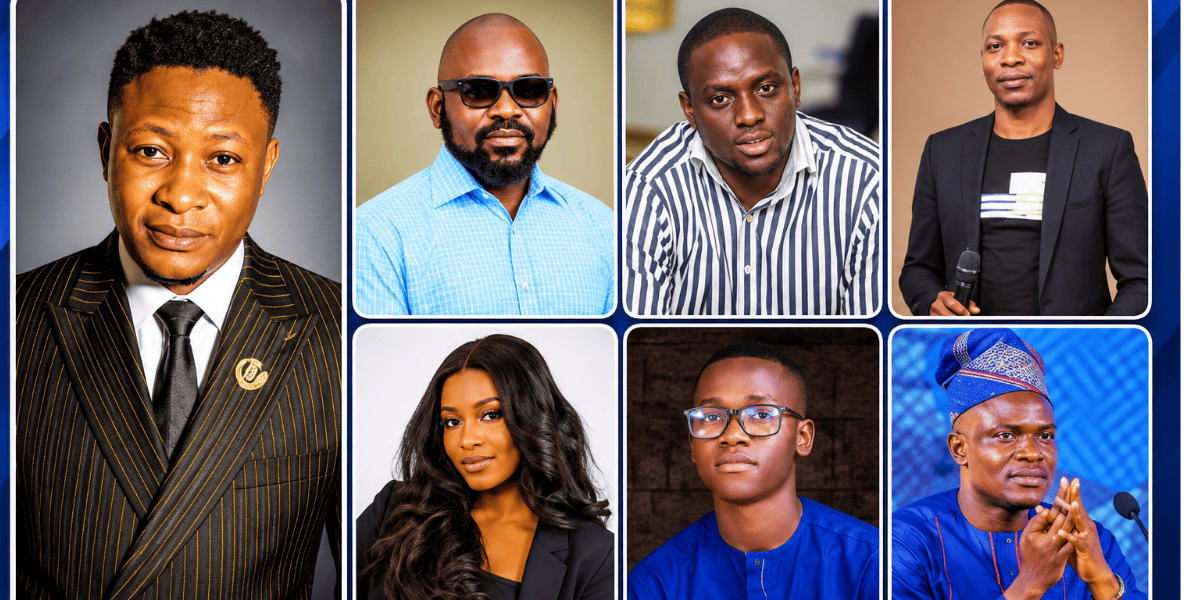
Technology is frequently celebrated as a great equalizer where individual output eclipses physical limitations, yet the reality for many Nigerian tech professionals with disabilities remains complex. While code itself is indifferent to the identity of its author, the surrounding infrastructure—including hiring pipelines, workspace designs, and digital learning tools—often overlooks diverse physical needs. An unoptimized website can hinder screen readers, inaccessible programming interfaces complicate routine coding, and video tutorials lacking captions exclude the deaf community. Consequently, disability in the technology sector functions less as a limitation of personal capability and more as a restriction imposed by systemic design choices.
Overcoming these barriers often involves navigating subtle, persistent obstacles such as unanswered job applications, abbreviated interviews, prohibitive gadget costs, or well-intentioned paternalism that offers charity instead of employment. Professionals within the community frequently express a desire for equitable opportunities rather than tokenistic applause, striving to be recognized for their technical competence. By establishing mentorship pathways and training initiatives, these pioneers aim to lower the entry barrier for future generations, highlighting that inclusivity is an intentional architectural choice rather than an afterthought.
- Opeolu Akinola – Co-founder, AccessTech Innovation and Research Centre
Diagnosed with retinitis pigmentosa at age three, Opeolu Akinola experienced total vision loss within a few years and spent decades independently mastering computing. In 1994, strict confidentiality guidelines barred him from utilizing human assistants, prompting a self-driven journey into assistive computing. Following volunteer work and an instructional role at the Nigerwives Braille Book Production Centre where he trained dozens of students, he co-founded AccessTech Innovation and Research Centre in Lagos. The organization utilizes a dual model, providing corporate-funded training alongside free education for underprivileged visually impaired learners. Recognized through grants from institutions such as Nexford University and Microsoft, his initiatives have collectively impacted thousands of students across the African continent.
- Victor Ekwueme – Odoo Specialist and Data Scientist at Chams
Victor Ekwueme initially noticed symptoms of retinitis pigmentosa during his childhood, a condition that progressively diminished his vision. Today, he operates as an Odoo specialist and data scientist at Chams while mentoring young visually impaired individuals in data analytics. To navigate programming challenges, he utilized screen readers, developed custom web-scraping scripts, and completed specialized coursework through edX. Previously winning the Apps4Africa hackathon with a hospital management application prior to his significant vision decline, he encountered hiring bias when disclosing his disability on curriculum vitae documents, ultimately relying on technical proficiency to secure professional placement.
- Toyosi Badejo-Okusanya – Founder of Adaptive Atelier
Diagnosed with hearing loss at age four, Toyosi Badejo-Okusanya navigated a career in global marketing, accessibility consulting, and brand strategy within Lagos. Recognizing widespread digital exclusion across African digital platforms, she transitioned into enterprise solutions by establishing Adaptive Atelier. The enterprise features products such as Adaptive API, which integrates artificial intelligence with insights from disabled experts to remediate accessibility gaps, alongside auditing and testing services that employ disabled consultants to evaluate web platform functionality.
- Divinegift Usman – Founder of Zions Assistive Tech Solutions
Following sudden vision loss at age nine, Divinegift Usman pursued computer science at the Federal University of Technology, Minna, as the sole visually impaired student in his cohort. After receiving foundational assistive technology training under Opeolu Akinola in Lagos, he established Zions Assistive Tech Solutions in Kaduna in 2021 to instruct visually impaired individuals on mobile and desktop navigation. Alongside founding the Divine Life and Light Foundation, he has extended his professional reach remotely, contributing to international community-building initiatives based in the United Kingdom.
- Afolabi Oyebiyi – Backend Software Engineer at Cyclone Technology
Experiencing progressive vision deterioration beginning in 2005, Afolabi Oyebiyi completed rehabilitation training in Braille and screen-reader technology before independently learning programming via online platforms such as Codecademy and Coursera. Utilizing accessible text environments and text- to-speech tools, he completed a software engineering diploma at NIIT in Lagos as the institution's first visually impaired student. Since 2022, he has contributed as a backend engineer at Cyclone Technology Limited, advocating for accessibility integration from the inception of software development cycles.
- Albert Amos Audu – Data Analyst at Connected Development
Following secondary education, Albert Amos Audu transitioned into the technology sector after participating in the Deaf-in-Tech training program, where he developed proficiencies in data analytics, coding, and visualization platforms like Power BI. Despite confronting substantial employment hurdles as a deaf professional in Nigeria, he successfully secured a data analyst position at Connected Development, a civil society organization dedicated to governance transparency and public accountability.
- Victor Oricha – Facilitator, Deaf-in-Tech
Operating as an instructor in Abuja, Victor Oricha teaches fundamental computing and programming concepts utilizing sign language methodologies. The Deaf-in-Tech initiative, established in 2022 by Dr. Arowolo Ayoola following personal observations of institutional bias against deaf graduates, has trained over a thousand participants, supported multiple technology founders, and facilitated technical employment placements across the ecosystem. Instructors emphasize that clear communication channels remain the primary catalyst enabling deaf learners to master technical skills at parity with their peers.