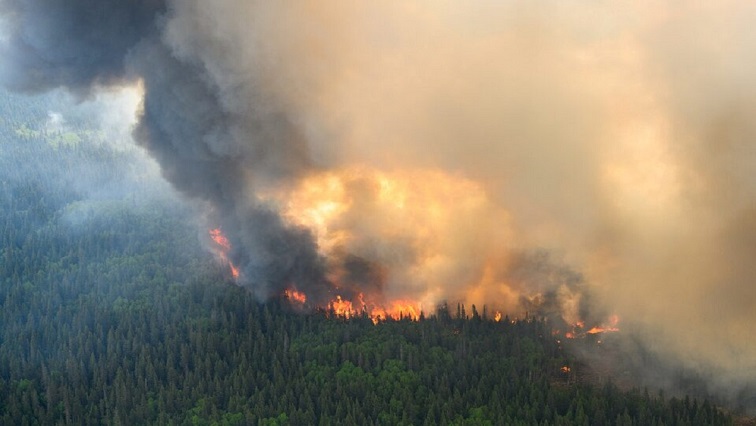
Scientific projections indicate that 2026 is on course to become the second- warmest year in recorded history, driven heavily by anthropogenic climate change and amplified by a robust El Niño weather phenomenon. According to updates released by the European Union’s Copernicus Climate Change Service, the ongoing year maintains a notable statistical probability of either tying or surpassing 2024, which currently holds the record as the hottest year on record.
Furthermore, global temperatures are projected to be virtually certain to remain more than 1.5 degrees Celsius above pre-industrial averages throughout 2026. This upward trend places the four-year moving average from 2023 to 2026 on track to breach the critical 1.5°C threshold outlined in the Paris Agreement to prevent the most catastrophic impacts of global warming.
What did the EU climate monitor report regarding recent temperatures?
Recent monitoring data revealed that the globe experienced its warmest October on record, with average surface air temperatures resting 1.75°C above the 1850–1900 pre-industrial baseline. This reading marked the third consecutive month that worldwide temperature anomalies have surpassed the 1.5°C marker.
Samantha Burgess, strategic lead for climate at the European Centre for Medium-Range Weather Forecasts, noted that October maintained a trajectory of extraordinary global warmth characterized by record surface and ocean temperatures. Experts emphasize that the convergence of human-induced emissions and natural climatic fluctuations continues to drive these anomalies.
How is El Niño influencing global weather patterns?
El Niño is a naturally occurring climate cycle that temporarily elevates sea surface temperatures in the tropical Pacific. However, its interaction with ongoing global warming significantly increases the likelihood of extreme weather occurrences, including severe droughts and devastating floods worldwide.
Meteorological institutions have tracked the current El Niño cycle as one of the strongest ever observed, setting historical temperature highs in critical Pacific zones. Experts warn that the delayed atmospheric effects of this weather system could extend temperature anomalies well into subsequent years, prompting renewed international calls for reductions in greenhouse gas emissions.