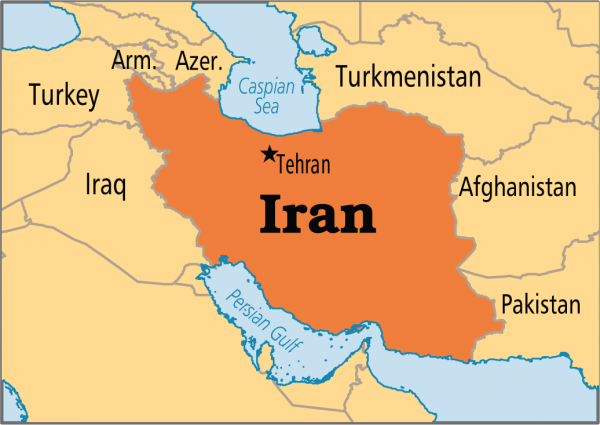
On 25 October 2026, foreign ministers from the United Kingdom, France, Germany, Turkey, Saudi Arabia, Pakistan, Italy and Egypt gathered in Ankara to issue a joint statement urging the United States not to launch new strikes against Iran and to restore unrestricted shipping through the Strait of Hormuz.
Key points from the declaration include:
- All eight countries warned that any escalation of the US‑Iran confrontation would raise global energy prices and destabilise the region.
- The ministers rejected any measures that would impede lawful navigation in the Hormuz waterway.
- They called for dialogue and diplomatic engagement to resolve tensions, stressing that a military approach would create “nothing but losers.”
- French Foreign Minister Jean‑Noël Barrot warned the world could not afford another escalation, while Turkish Foreign Minister Hakan Fidan said none of the participants approved of further military action against Tehran.
- Italy’s Foreign Minister Antonio Tajani highlighted the need for de‑escalation to guarantee freedom of navigation and stressed that the problem could not be solved solely by force.
What prompted the joint warning?
The meeting came after US ambassador to Turkey Tom Barrack told a podcast host that Washington could “absolutely” strike Iran over the weekend. Barrack also said former President Donald Trump was “open and available” to negotiate a deal, indicating a possible shift in US policy toward Tehran.
Why is the Strait of Hormuz critical?
The Strait of Hormuz is a narrow maritime corridor linking the Persian Gulf with the Gulf of Oman. It is the world’s most vital oil‑shipping lane, through which roughly a fifth of global petroleum passes. Any disruption could cause sharp spikes in oil prices and affect economies worldwide.
How did the ministers address the Gaza conflict?
Representatives of the Regional Four (Turkey, Saudi Arabia, Pakistan, Italy and Egypt) described Israel’s campaign in Gaza as the root cause of regional instability. They urged Israel to halt further destruction and humanitarian suffering in Palestine and condemned the Houthi militia’s recent escalation, expressing solidarity with Saudi Arabia and the internationally recognised Yemeni government.
What are the broader implications?
The collective stance signals a rare convergence of European and Middle Eastern powers against unilateral military action in the Middle East. By linking the US‑Iran tension to global energy markets and regional security, the ministers aim to pressure Washington into pursuing diplomatic channels rather than expanding the conflict.
The joint communiqué underscores that a coordinated diplomatic effort, rather than additional strikes, is essential for maintaining stability in the Middle East and safeguarding international trade routes.