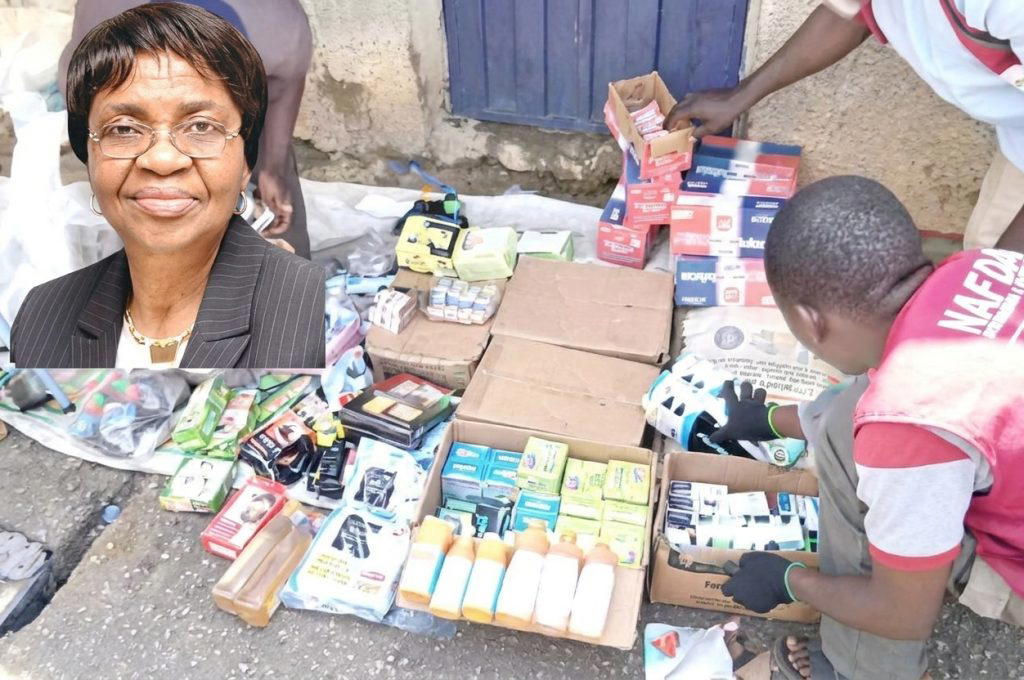
Nigeria is confronting a widening health emergency as counterfeit medicines, foods and beverages infiltrate markets, exposing consumers to toxic substances that can harm kidneys, liver and other organs, while also driving up treatment costs.
Key facts:
- Between January and August 2026, NAFDAC destroyed unsafe, falsified and non‑compliant products worth ₦22.73 billion.
- A February 2026 raid in Lagos seized more than 10 million doses of fake malaria medicines and cosmetics valued at roughly ₦3 billion.
- In April 2025, authorities warned the public about counterfeit Aflotin 20/120 antimalarial tablets circulating under a genuine brand name.
- An operation in January 2026 uncovered fake Goya Extra Virgin Olive Oil that was actually palm oil mixed with colourants.
- Dr. Adefunke Ronnie Adeniyi, a public health physician at Lagos University Teaching Hospital (LUTH), said patients often spend more on repeated treatment after a fake product fails.
What happens when counterfeit medicine fails?
When a substandard antimalarial is purchased, the patient may still experience fever and body aches because the tablet contains insufficient or no active ingredient. The illness can worsen, and the drug may also introduce harmful chemicals that damage the kidneys and liver. Dr. Amarachukwu Enahoro, a medical doctor and public‑health physician at LUTH, explained, "The intended purpose of the medicine – to treat malaria – is not achieved, and depending on the substances used, it can cause organ damage."
How do fake foods and drinks endanger health?
Counterfeit baby foods, biscuits, locally made alcoholic drinks and herbal concoctions have been linked to deaths and hospitalisations in states such as Ondo and Kano. Contaminated juices have triggered severe kidney‑related complications. In Lagos, an operation at Oke‑Arin Market revealed palm oil dyed and repackaged as a premium olive‑oil brand, illustrating how trusted packaging can mask dangerous alterations.
Why do consumers end up paying twice for treatment?
Dr. Adeniyi noted that cheaper, counterfeit products often lead to treatment failure, forcing patients to seek additional consultations, new medication or hospital admission. "The cheaper product may not actually save them money in the long run," she said, adding that lost income from illness further strains household budgets.
What can be done to curb the menace?
Experts call for stronger regulatory enforcement, better surveillance and public education. Dr. Ope Osunyomi, a public‑health expert with the Lagos State Government, urged that institutions like NAFDAC and the Standards Organisation of Nigeria be equipped to trace and stop fake products at source. He also emphasized community involvement, urging market associations, religious groups and ordinary citizens to report suspicious items.
How should Nigerians protect themselves?
- Purchase medicines only from licensed pharmacies or reputable outlets.
- Verify product details using authentication services and look for broken seals or altered labels.
- Retain packaging and batch numbers if adverse reactions occur and report them to the regulator.
- Avoid self‑medication and seek professional medical advice when symptoms persist.
The broader impact extends beyond individual households. Substandard antimicrobials contribute to treatment failure and foster antimicrobial resistance, making infections harder and more expensive to treat. Addressing the counterfeit crisis therefore requires coordinated action from regulators, manufacturers, health professionals and the public to ensure that everyday purchases are safe and effective.