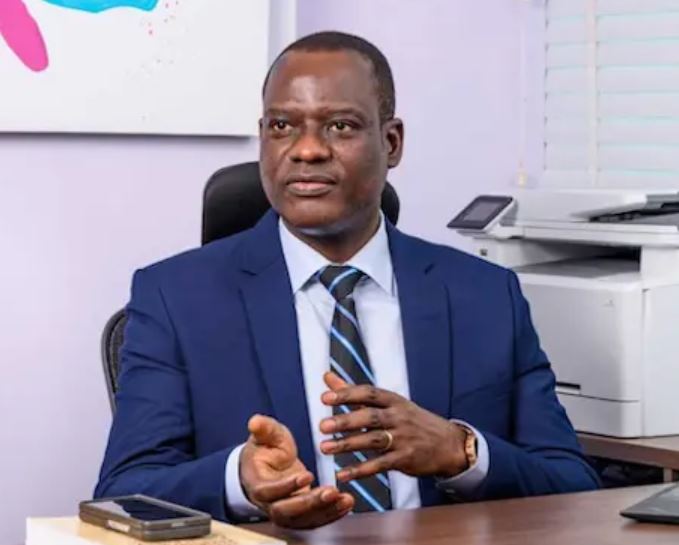
Finance Minister [Taiwo Oyedele](https://fmic.gov.ng) told Channels Television’s *Politics Today* that the proposal by Nigeria Democratic Congress (NDC) presidential candidate [Peter Obi](https://en.wikipedia.org/wiki/Peter_Obi) to restore the petrol subsidy if elected in 2027 is unnecessary because President [Bola Tinubu](https://en.wikipedia.org/wiki/Bola_Tinubu) has already removed the corruption that plagued the system.
**What was the minister’s main argument?**
Oyedele explained that the Tinubu administration’s decision to scrap the subsidy eliminated the avenues for graft that previously existed. He asked, “Would you bring the corruption back just to fight it again and then re‑introduce the subsidy? It does not add up.”
**Why can’t fuel prices be cut to N400‑N1,000 per litre?**
He rejected the notion that petrol could be sold at dramatically lower rates without addressing the real cost structure. “You cannot cut the price of petrol to N400, not N500, not N800, not N1,000. It’s simple arithmetic. What are the inputs?” he said, noting that refining is a low‑margin business that relies on high volumes, making deep price cuts unsustainable without a matching drop in production costs.
**What about using domestic crude to lower prices?**
When asked why locally produced crude oil cannot be supplied to refineries at cheaper rates, Oyedele highlighted the multiple cost components and contractual obligations tied to crude sales. He pointed out that revenue from crude is divided among production expenses, international oil companies, royalties and profit‑oil, meaning the nation cannot treat all output as freely available for domestic use.
**What are the broader risks of a subsidised fuel regime?**
The minister warned that selling crude below market value to fund cheaper petrol would erode government revenue, jeopardising obligations such as salary payments. He also cautioned that artificially low domestic fuel prices could spur cross‑border smuggling and distort market dynamics. Citing past consumption of around 90 million litres per day, he noted that not all of the fuel stays within Nigeria and referenced protests in Cameroon after Tinubu’s subsidy removal as evidence of how price differentials affect neighbours.
**Is border enforcement a viable solution?**
Oyedele questioned the practicality of relying solely on border controls, noting that even the United States struggles to fully secure its borders, making it doubtful that Nigeria could prevent diversion of subsidised petrol solely through enforcement.
Overall, the minister defended the 30‑day discount on petrol prices introduced by the current government and maintained that reinstating a full subsidy would re‑ignite the very corruption the Tinubu administration aimed to eradicate.