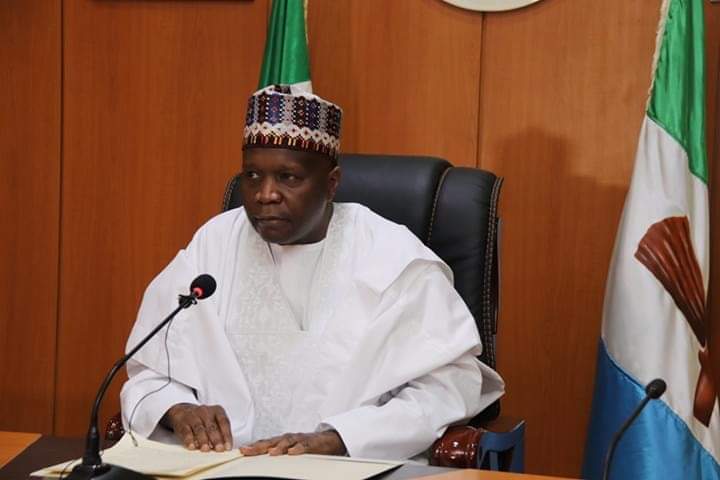
To effectively combat the rising wave of out-of-school children and insecurity across Northern Nigeria, Gombe State Governor Muhammadu Inuwa Yahaya has advocated for a unified regional policy framework. Speaking at the 2026 Biennial Lecture and Awards Ceremony of the Barewa Old Boys Association (BOBA) held in Gombe, the governor stressed that sustainable human capital development requires robust investments in agriculture and agro-allied industries alongside educational reforms.
The event, themed “The Scourge of Out-of-School Children and the Implications for National Security,” brought together prominent leaders, traditional rulers, and alumni to deliberate on the future of learning in the region.
What are the core drivers of the regional strategy?
Governor Yahaya warned that leaving millions of children outside the formal education system exacerbates poverty, deepens inequality, and exposes vulnerable youths to criminal exploitation and radicalization. He noted that addressing these deep-seated challenges demands a synchronized approach extending far beyond mere school enrolment figures.
Sharing the experience of Gombe State, the governor disclosed that when his administration assumed office in 2019, the state grappled with over 500,000 out-of-school children. Through targeted interventions—including the declaration of a state of emergency in education, the construction of mega- learning facilities, the recruitment of over 1,000 qualified teachers, and the establishment of integrated Almajiri learning centers—about 350,000 children have successfully returned to the classroom.
How can Northern states collaborate?
Proposing a collaborative roadmap, Yahaya urged the 19 Northern States Governors' Forum to establish a formal institutional platform for harmonizing educational policies. Such a regional agenda, he argued, would safeguard successful programs from policy inconsistency and foster the sharing of vital resources and best practices.
Furthermore, the governor recommended expanding student exchange programs across the region to boost cultural integration and unity. He highlighted Gombe’s capacity in accommodating over 800 exchange students from other states as a viable model for replication.
What role do agriculture and traditional institutions play?
Beyond academics, Yahaya underlined the necessity of scaling up investments in agriculture and value chains to alleviate family poverty. Enhanced household incomes, he noted, directly reduce the socioeconomic pressures forcing children away from classrooms and onto the streets.
Echoing similar sentiments, the Sultan of Sokoto, His Eminence Alhaji Muhammad Sa’ad Abubakar III—representing BOBA Board of Trustees Chairman and former Head of State, General Yakubu Gowon—emphasized that education remains a fundamental pillar of development. The Sultan commended Gombe’s modern Almajiri schooling model and noted that begging contradicts Islamic principles, calling on privileged citizens to support vulnerable demographics.
BOBA National President, Major General Alwali Jauji Kazir, alongside former Jigawa State Governor Sule Lamido, reinforced the urgent need for political will and enhanced school safety to safeguard the nation's educational future.