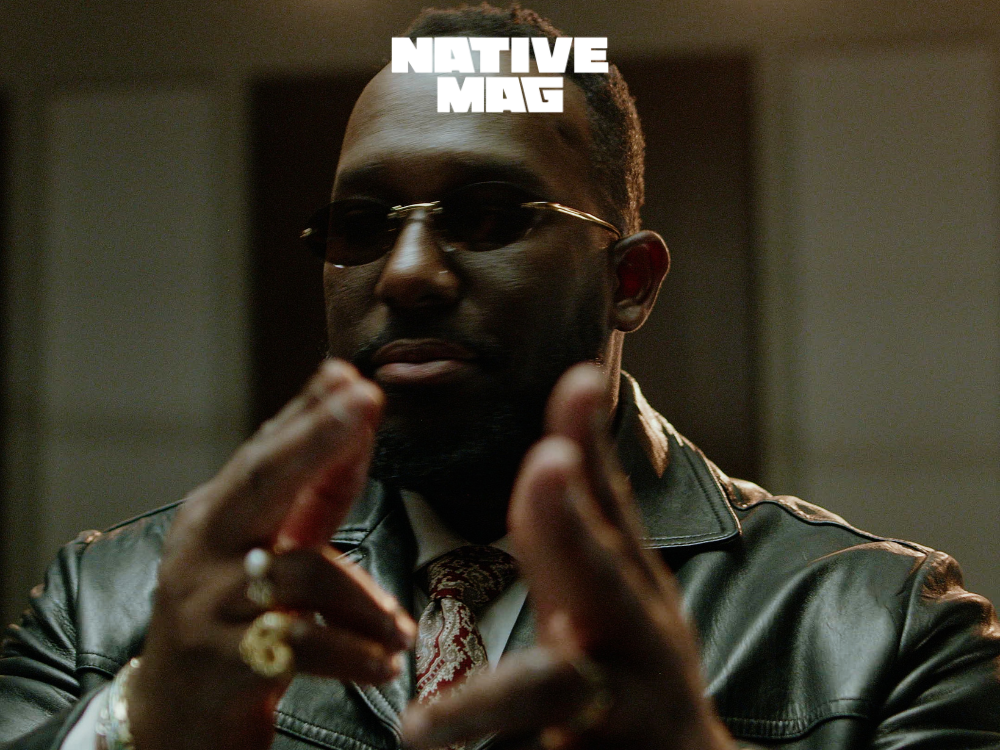
Nigerian-born artist, songwriter, and producer Daramola is preparing to release his upcoming producer album, 'Le Di Sentido,' following a career marked by global collaborations and a Grammy win for his contribution to the 'Bob Marley: One Love' soundtrack. The Miami-based musician, who is currently nominated for Record of the Year at the Latin Grammys for his work on Elena Rose's emotive single "Alma," continues to shape contemporary soundscapes by blending diverse musical traditions.
What is the inspiration behind 'Le Di Sentido'?
The title of the forthcoming album translates to making sense of things, reflecting where the artist is mentally and creatively. Having collaborated with prominent acts such as Shakira, Sean Paul, Beele, and Alejandro Sanz, Daramola channels a synergetic impulse into his latest project. The lead single, "Gidi 2 Caracas (La Musica)," features Anitta, Danny Ocean, Kapo, and Venezuelan band Rawayana, offering listeners a preview of the record's richly textured environment.
The track fuses mellow rhythms, tropical melodies, and swaying logdrums, capturing the intersection of the Nigerian experience with Caribbean and Latin sounds. This global perspective mirrors Daramola's personal background, having finished high school in London, returned to Nigeria, and later attended a historically black college or university (HBCU) in Alabama.
How do diverse influences shape his production style?
Exposed to a wide range of genres from an early age, Daramola draws inspiration from his mother, a musician who explored disco, country, juju, highlife, and gospel. These foundational sounds merge with an appreciation for international artists like Craig David, Sufjan Stevens, and Bon Iver, as well as Nigerian legends such as Fela Kuti, Nelly Uchendu, Oliver De Coque, and Ebenezer Obey.
Encouraged by Tainy—the creative force behind many of Bad Bunny's major hits—Daramola focused on establishing a signature production style. This approach is evident in tracks like i-dle's "Gimme Dat Love," where Afropop grooves meet K-pop elements, demonstrating his ability to adapt familiar vibes to new sonic terrains.
Rooted in faith and community, the artist maintains that music serves as a universal language capable of housing different traditions under one roof. Having previously won a Dove Award for his work on Lecrae's 2011 album 'Rehab: The Overdose,' he often weaves the communal energy and harmonies of Nigerian church music into his broader creative framework, aiming to expand musical horizons rather than restrict them.