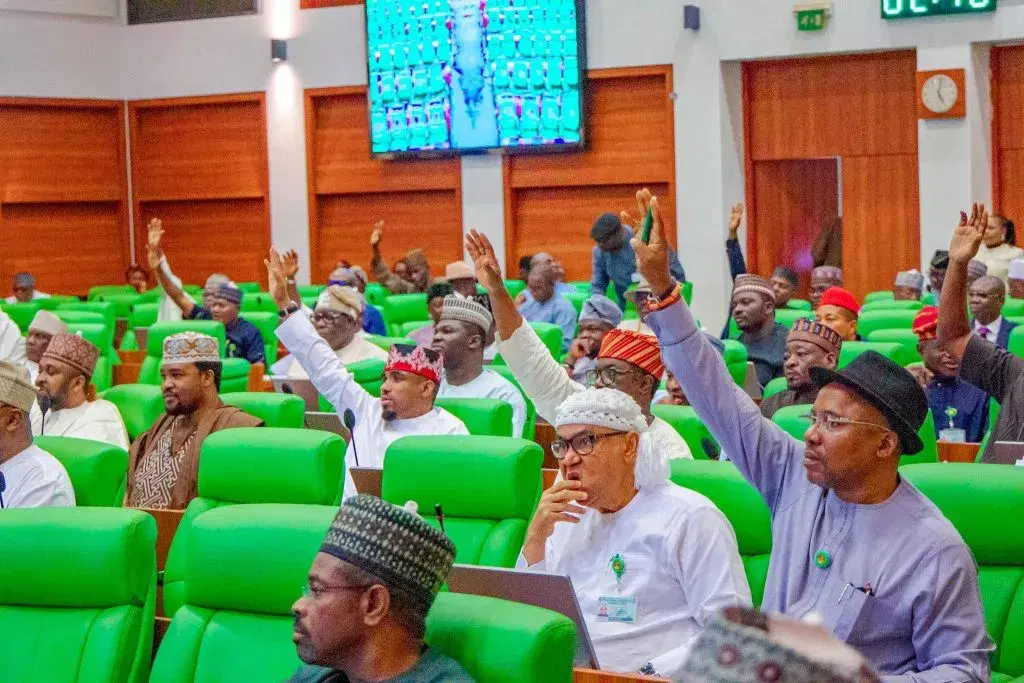
On 23 October 2026, the House of Representatives unanimously passed a motion urging the Federal Government to impose tighter controls on the importation of electric vehicles (EVs) and compressed natural gas (CNG) vehicles, together with mandatory local service centres, authentic spare parts and after‑sales support.
Key points of the resolution
- The motion was sponsored by Rep. Ademorin Kuye during a plenary session on Wednesday.
- Lawmakers highlighted consumer‑protection, vehicle‑safety, local investment and Nigeria’s preparedness for cleaner transport.
- A public register of approved importers and infrastructure providers would be created to ensure transparency.
- Tax incentives and duty concessions would be linked to compliance with the new framework.
- Rep. Dominic Okafor warned that without safeguards, Nigeria could become a dumping ground for poorly supported vehicles.
What licensing framework is being proposed?
The draft framework tasks the National Automotive Design and Development Council (NADDC) – in partnership with the Bureau of Public Procurement, Standards Organisation of Nigeria, Nigeria Customs Service and other agencies – with setting clear criteria for importer approval. Companies would need to:
- Establish certified service and maintenance centres within Nigeria.
- Supply genuine spare parts and honour warranty obligations.
- Train and employ qualified Nigerian technicians.
- Invest in EV charging stations or CNG refuelling facilities.
- Meet national safety and environmental standards and submit detailed consumer‑protection and after‑sales plans.
Why are local service centres essential?
Rep. Kalejaiye Adeboye Paul stressed that without domestic maintenance capacity, the country risks stranded consumers and higher costs. He noted that many state governments are already embracing alternative‑fuel programmes, making it crucial to build supporting infrastructure now.
What safety concerns were raised?
Rep. Dominic Okafor cautioned that CNG‑powered trucks and vehicles must not be allowed to enter the market without adequate technical safeguards. He said, “It’s very important to see that all the players in this motion are dressed seriously, so that Nigeria is not made a dumping ground.”
How does the motion align with environmental goals?
Rep. Stanley Olajide linked the proposal to global efforts to curb greenhouse‑gas emissions, arguing that a regulated shift to cleaner transport would help Nigeria contribute to climate mitigation while supporting development.
What legislative steps follow?
The House directed its Committees on Industry, Commerce, Gas Resources, Environment and Legislative Compliance to monitor implementation and report back within four weeks. Speaker Tajudeen Abbas praised the motion’s timing and asked the sponsor to provide further operational details.
Overall, the resolution seeks to balance Nigeria’s ambition to adopt cleaner vehicle technologies with the need for robust consumer protection, local job creation and sustainable infrastructure development.