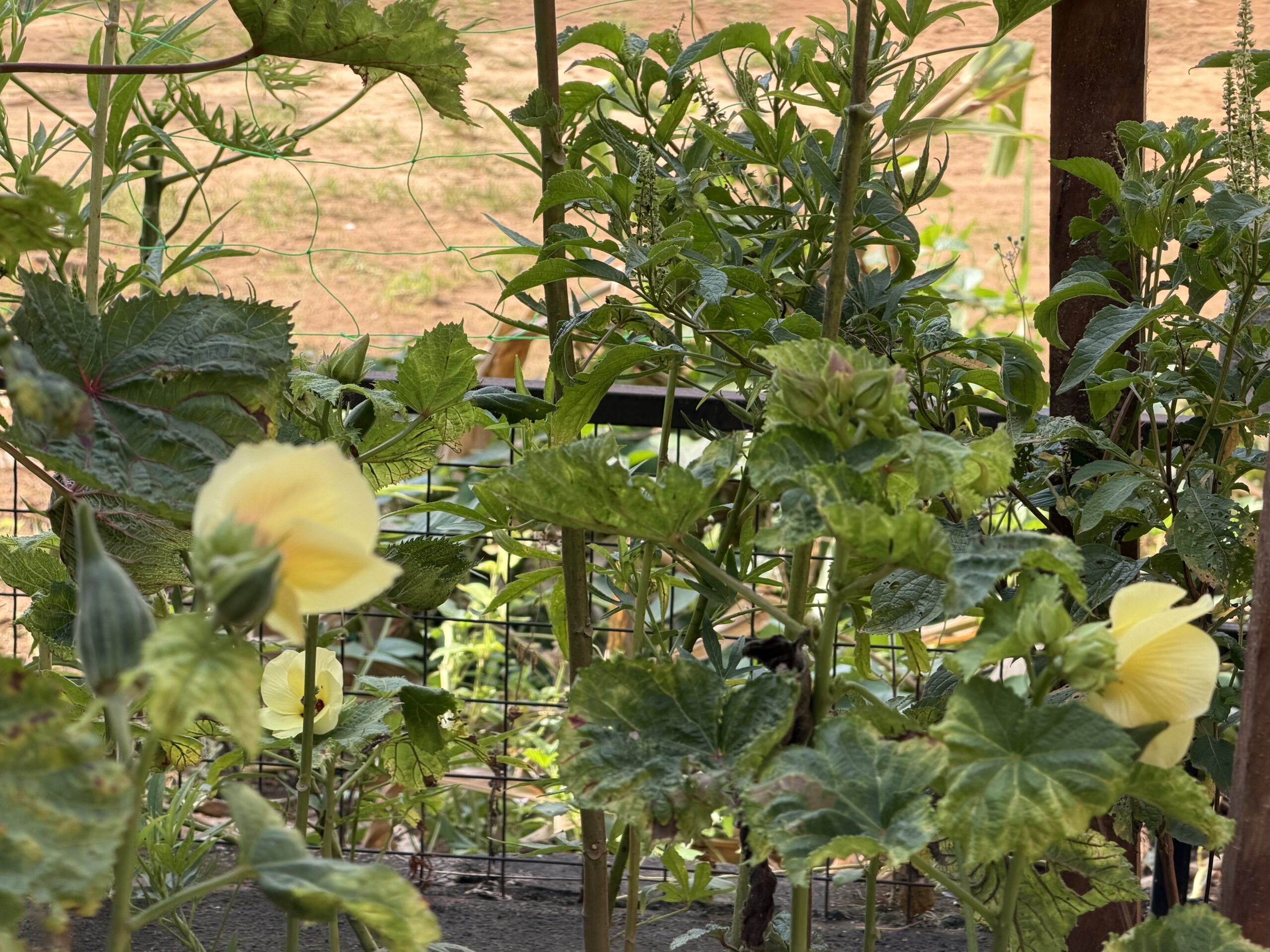
Dayo Akinbode explains that a neighbour’s quiet decision to plant [okra](https://en.wikipedia.org/wiki/Okra) seeds in her garden produced a generous harvest and revealed a lasting lesson about [kindness](https://en.wikipedia.org/wiki/Kindness) and patience.
**How did the okra appear in the garden?**
Earlier this year, Akinbode’s neighbour offered her a handful of okra seeds. Akinbode politely declined, saying she had no intention of growing the vegetable. Undeterred, the neighbour took the seeds and sowed them directly into Akinbode’s garden without asking. Within weeks, tiny green shoots emerged where the rejected seeds had been placed.
**What unfolded as the plants grew?**
The seedlings soon matured into robust okra plants, each bearing long, glossy pods that promised months of fresh produce for the kitchen. As the foliage thickened, bright yellow, hibiscus‑like flowers blossomed, signalling that the harvest was imminent. Each appearance of those golden blooms sparked a quiet excitement, reminding Akinbode that the reward of her neighbour’s gesture was on its way.
**What broader meaning did the garden offer?**
Akinbode draws a parallel between cultivating okra and nurturing personal ambitions. She notes that, like planting a seed for a new business, a skill, or a friendship, the early stages can seem inconsequential. Progress may be invisible at first, yet growth continues beneath the surface, only revealing itself through subtle signs—much like the yellow flowers that foretold the okra’s readiness.
**How did the neighbour’s act reshape her view of generosity?**
Reflecting on the experience, Akinbode appreciates that her neighbour chose to share the seeds despite the initial refusal. The gesture taught her that generosity need not wait for acknowledgment; it can flourish independently, offering benefits later on. She wonders whether the neighbour imagined the gratitude she would feel months after the planting.
**What questions does this story raise for readers?**
Akinbode invites us to consider the opportunities we often dismiss because their value isn’t immediately apparent. She suggests that a friend’s idea, an unsolicited offer of help, or a seemingly minor introduction might later prove fruitful if we remain open to them. While caution is still necessary, embracing possibilities can lead to unexpected harvests.
In closing, Akinbode expresses deep thankfulness for both the physical okra bounty and the intangible lesson it embodied. She asks: *What seeds are we planting in the lives of others?* and *What beautiful harvest are we enjoying today because someone once planted a seed for us?*