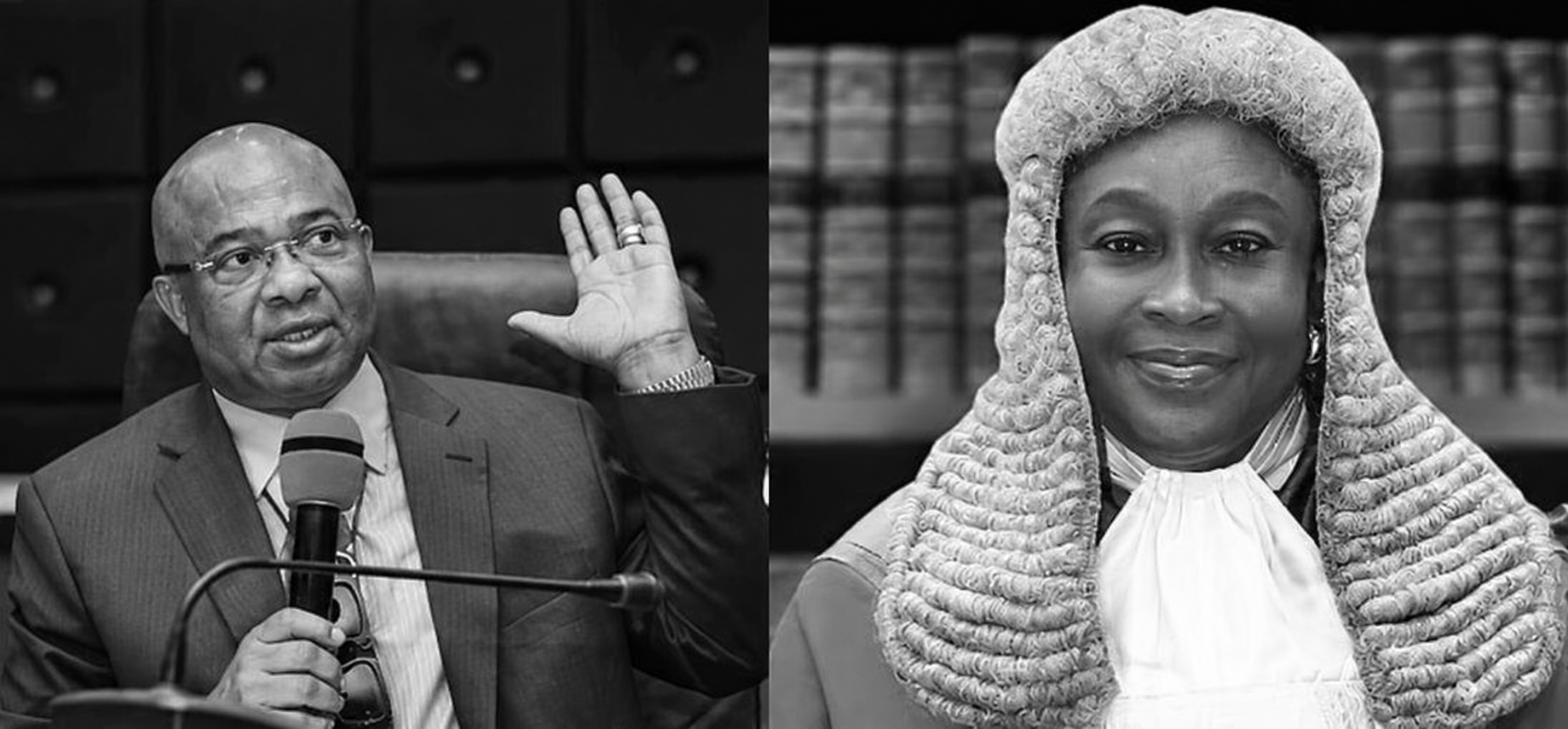
The Imo State Government has strongly rejected a directive from the National Judicial Council (NJC) ordering the inclusion of the state’s acting chief judge, Ijeoma Agugua, on the shortlist for a substantive appointment to the office.
Speaking through the state Attorney-General and Commissioner for Justice, Paul Obinatu, the government criticized the instruction as an unwarranted intrusion into local administrative processes. While conceding that the NJC possesses the constitutional mandate to review candidate selections, Obinatu maintained that the council lacks the legal authority to dictate or replace preferred nominees.
What are the constitutional arguments raised by Imo State?
Addressing reporters in Owerri, Obinatu referenced Section 202 of the Nigerian constitution, arguing that the State Judicial Service Commission operates independently and without external direction. He asserted that the NJC cannot leverage its national standing to override local statutory responsibilities through administrative guidelines or procedural rules.
"The NJC cannot invoke its national institutional status or its recommendation powers to exercise control over the Imo State JSC in a manner inconsistent with the Constitution," Obinatu stated.
How did the leadership crisis begin in the Imo judiciary?
The friction between state authorities and the judicial council stems from a prolonged leadership vacuum that started following the compulsory retirement of former Chief Judge T. E. Chukwuemeka Chikeka in November 2024 over allegations of age falsification. Following his exit, Governor Hope Uzodimma bypassed Agugua—despite her status as the most senior high court judge—and appointed a lower-ranking jurist, Theophilus Nzeukwu, as acting head of the court.
The appointment of Nzeukwu triggered swift condemnation from the Nigerian Bar Association and a stern rebuke from the NJC, which ruled that the action violated Section 271(4) of the constitution. By mid-2025, the NJC penalized Nzeukwu with compulsory retirement and instructed the governor to swear in the most senior judge. Although Governor Uzodimma eventually complied by appointing Agugua in an acting capacity, state authorities have continued to resist formalizing her permanent appointment, prompting the NJC's latest intervention following a petition from Bob Kay Njemanze.