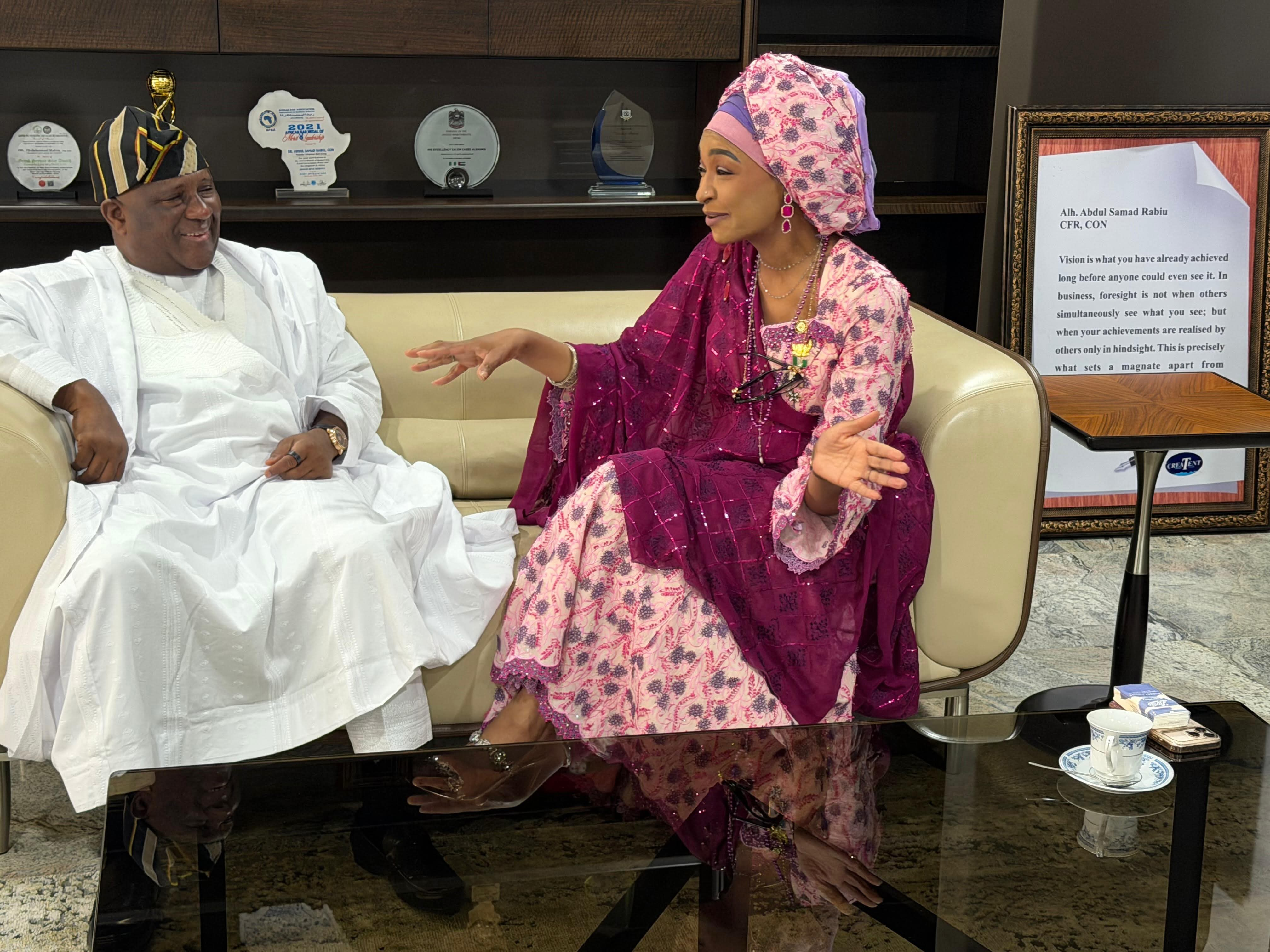
Billionaire industrialist Abdul Samad Rabiu confirmed on Wednesday, October 28, 2026, that his ex‑wife, the Honourable Minister of Art, Culture and Creative Economy Hannatu Musawa, surprised him with a visit to his office in Abuja, and that their relationship remains one of friendship and mutual respect.
What happened?
- Rabiu shared a photo of Musawa standing at the entrance of his office building.
- In the accompanying caption he wrote, “Had a lovely surprise visit at my Abuja office today from someone I once called my wife, the Honourable Minister Hannatu Musawa.”
- He added that “times change, but friendship and respect remain,” praising her continued dedication to Nigeria’s cultural and creative sectors.
- The post was published on his verified social‑media account and quickly garnered positive reactions from followers.
- No further details about the divorce or any future collaborations were disclosed.
Why is this noteworthy?
The meeting underscores a rare public display of cordiality between a high‑profile businessman and a senior government minister after a marital split, highlighting personal maturity and a shared commitment to the nation’s cultural development.
Background
Abdul Samad Rabiu, founder of the conglomerate BUA Group, is one of Nigeria’s wealthiest individuals, with interests spanning cement, sugar, and real estate. Hannatu Musawa was appointed Minister of Art, Culture and Creative Economy in 2023, tasked with revitalising Nigeria’s creative industries and promoting cultural heritage. Their marriage ended in 2025, but both have continued to be prominent figures in their respective fields.
Public reaction
Netizens praised the duo for setting a positive example, noting that their amicable interaction could inspire other public figures to maintain professionalism after personal separations. Some commentators also highlighted Musawa’s ongoing projects, such as the “Creative Nigeria” initiative, which aims to boost local talent and attract foreign investment.
What does this mean for the future?
While the visit did not signal any new joint ventures, Rabiu’s acknowledgment of Musawa’s work suggests continued support for government efforts to grow the creative economy. Observers will watch whether this goodwill translates into collaborative programmes between the private sector and the ministry.
The incident serves as a reminder that personal relationships can evolve into respectful partnerships, especially when both parties remain focused on national development goals.