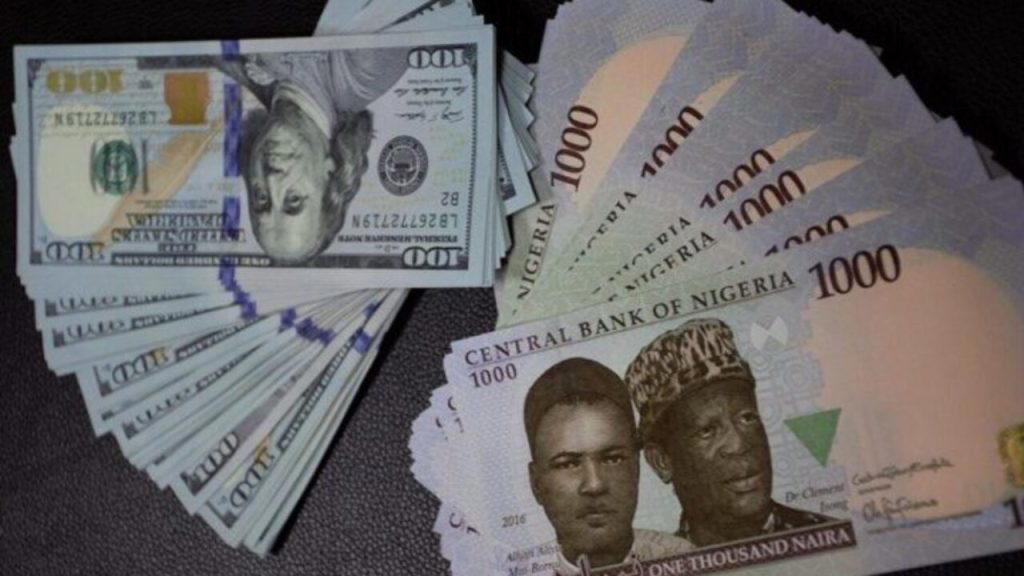
On Thursday, the Nigerian naira fell to N1,367 per US dollar in the parallel market and to N1,370 per dollar in the official [Nigerian Foreign Exchange Market](https://www.cbn.gov.ng/Markets/foreignexchange.asp), while interbank turnover in the NFEM surged 219% to $1.01 billion, according to data released by the [Central Bank of Nigeria](https://www.cbn.gov.ng).
**What were the exchange‑rate movements?**
The parallel market rate rose from N1,363 to N1,367 per dollar, a N4 depreciation. In the official market the indicative rate increased from N1,365 to N1,370 per dollar, widening the gap between the two markets to N3 per dollar, up from N2 the previous day.
**How much did interbank turnover change?**
Interbank trading volume in the NFEM climbed from $316.6 million to $1.01 billion, representing a 219% increase on a single day. This sharp rise reflects heightened demand for foreign currency amid ongoing market volatility.
**What is the outlook according to analysts?**
In its weekly financial review, analysts at [Cowry Asset Management](https://www.cowryam.com) warned that the naira is expected to remain under pressure because of persistent foreign‑exchange demand and prevailing market uncertainties. They added that a modest rise in external reserves could offer limited support for currency stability.
The broader context shows the naira has been weakening steadily over recent months as Nigeria grapples with low oil revenues, inflationary pressures and limited foreign‑exchange inflows. The central bank has been managing the official market through the NFEM, but the widening spread between official and parallel rates signals continued strain on the currency.
Market participants are closely watching the central bank’s reserve levels and any policy adjustments that could affect the supply of dollars. Until a more stable external funding environment emerges, analysts expect the naira to trade at depreciated levels relative to the dollar.