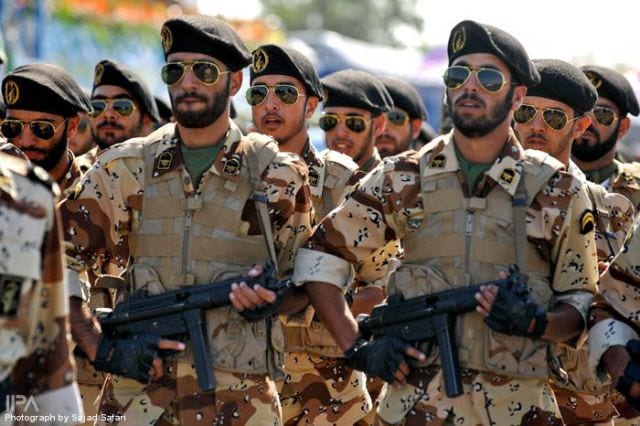
Iran’s army warned on Saturday that any further US attack would widen the war, as Qatar‑mediated talks and a letter from US Vice President JD Vance to Iran’s security chief seek to halt escalation ahead of US midterm elections in the region.
The warning was issued on 26 October 2026, when Iranian army spokesman Mohammad Akraminia posted on X that any renewed US offensive would inevitably expand the fighting zone.
Akraminia said, “If the US president once again embarks on more regional adventurism … the flames of war will undoubtedly engulf a much wider geographical area.”
On the same day, Abbas Araghchi cautioned that Iran’s powerful armed forces would respond to anyone who threatens its people.
A Qatari delegation arrived in Tehran on Friday to discuss de‑escalation with senior Iranian officials, marking the latest attempt by Qatar to broker a cease‑fire.
According to the Wall Street Journal, JD Vance sent a letter to Iran’s security chief Mohsen Rezaei on instructions from President Donald Trump, aiming to revive negotiations and prevent further US strikes. Iran confirmed receipt but has not issued a response.
The United States is set to hold its midterm elections on 5 November 2026, a vote that could shape the administration’s approach to the Middle East conflict, especially after rising energy prices have eroded public support for the war.
Israel conducted legislative elections on 31 October 2026, allowing voters to judge Prime Minister Benjamin Netanyahu’s right‑wing government, which has pledged to dismantle the Iranian regime.
The hostilities began in late February 2026 when coordinated US‑Israeli strikes killed Iran’s supreme leader Ayatollah Ali Khamenei and several senior commanders, prompting Tehran to retaliate against US assets and Israeli targets across the region.
Since then, most confrontations have centered on the Strait of Hormuz, a vital oil‑shipping lane that Iran has intermittently blocked, while the United States has responded by restricting Iranian ports to squeeze the economy.
Diplomatic channels remain open, but both sides have warned that any misstep could trigger a broader regional war.