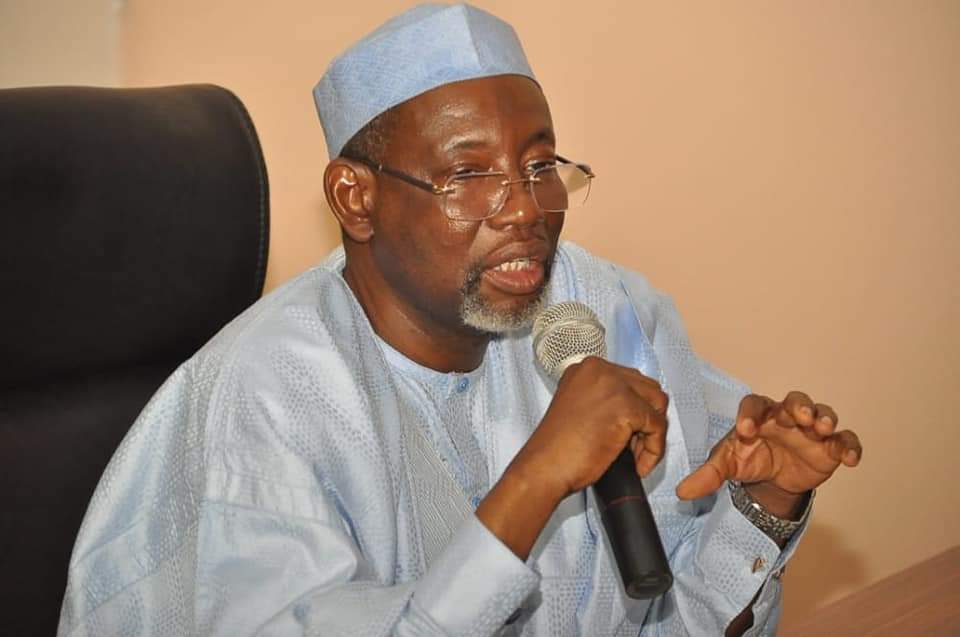
Jigawa State Governor Malam Umar Namadi has urged President Bola Ahmed Tinubu to reconsider current import tariff structures for wheat and rice, warning that unfavorable trade rules could jeopardize domestic agricultural growth and expose local growers to uneven market competition.
Governor Namadi presented the appeal during a presidential visit to the state, noting that while federal agricultural initiatives have provided critical relief, targeted trade protections remain vital. The governor emphasized that scaling up homegrown food cultivation depends heavily on shielding domestic producers from external market pressures.
"We respectfully submit that incentives for large-scale local production may be weakened unless import tariff policies, particularly for wheat and rice, are carefully designed to protect our farmers from unfair competition," Namadi stated during his address at the Dutse Township Stadium.
Why are import tariffs a concern for local agriculture?
According to the Jigawa State chief executive, maintaining high levels of domestic food production is essential for achieving long-term national food security. He explained that favorable import controls would reinforce existing federal interventions, ensuring that Nigerian farmers can sustainably feed the growing population without succumbing to external supply shocks.
What federal and state support has Jigawa received?
During his remarks, Namadi commended the federal administration for supplying subsidized farming equipment and agricultural inputs. He specifically highlighted Jigawa's participation in the federal Food Security Support Intervention, which facilitated the acquisition of 100 subsidized tractors.
Complementing these federal measures, the state government deployed 400 additional tractors and assorted farming implements to expand regional cultivation and boost output. Namadi added that these combined efforts align closely with the federal Renewed Hope Agenda and the state's internal development roadmap, both aimed at poverty reduction and sustainable economic expansion.