The Jigawa State Government and the Islamic Development Bank (IsDB) have commenced collaboration to structure a proposed $110 million educational initiative designed to upgrade school infrastructure, enhance educator capabilities, and foster an improved academic atmosphere across Jigawa and two other participating states.
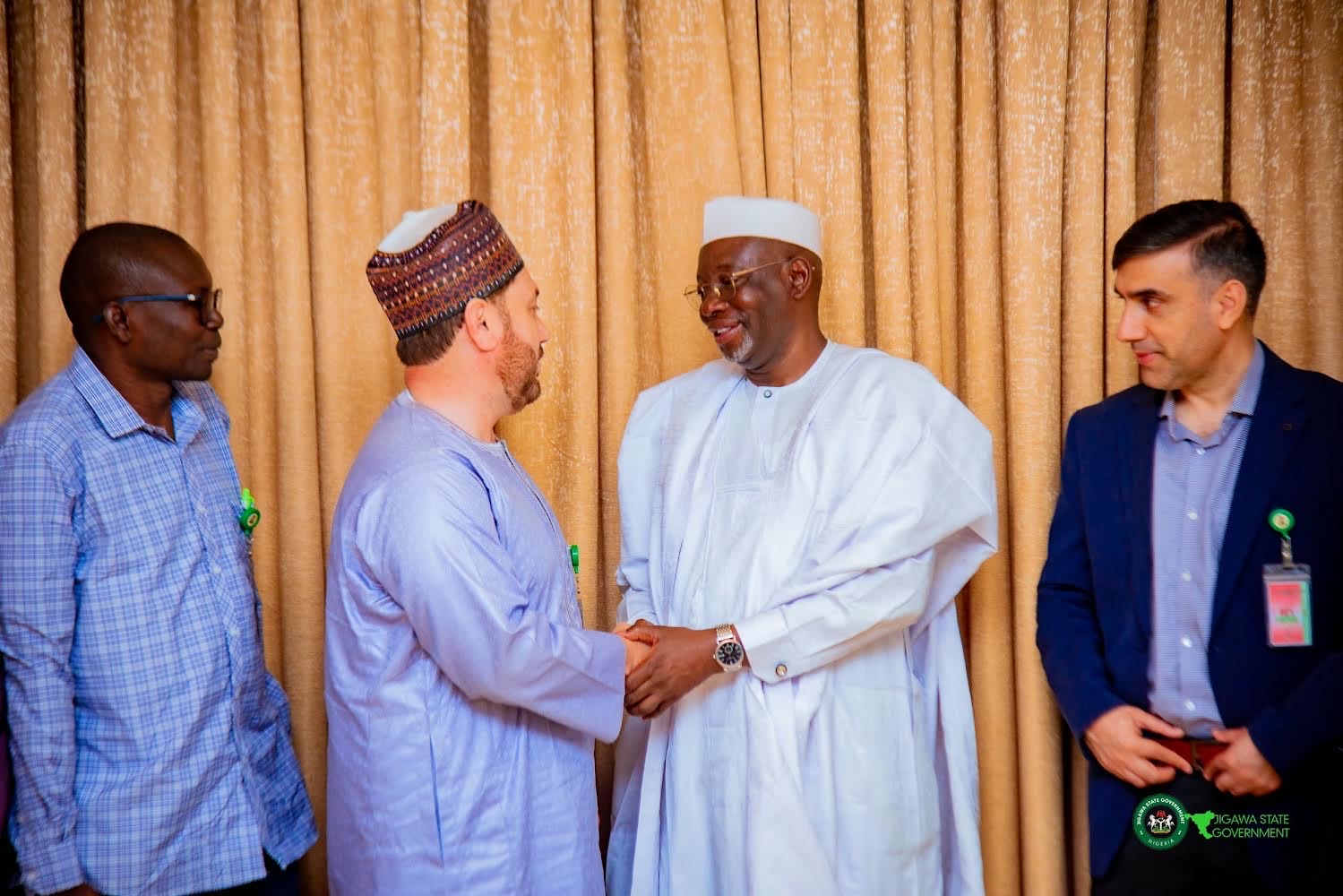
Known as the SMART Project, this proposed scheme was disclosed when Governor Umar Namadi hosted an IsDB delegation headed by Imtiaz Alam, the bank's Operations Team Leader for Social Infrastructure, during a courtesy call at the Government House in Dutse.
Visiting alongside officials from the Federal Ministry of Finance, the delegation journeyed to Jigawa to consult with regional authorities, understand state-specific educational objectives, and collect data necessary for drafting the final project proposal.
Speaking on the initiative, Mr. Alam noted that the venture would fund the creation of new academic institutions, the restoration of existing structures, and the establishment of clean water and sanitation facilities. Furthermore, the program encompasses comprehensive educator training and targeted interventions to optimize the classroom experience.
What are the next steps for the project proposal?
The primary objective of the exploratory visit is to consult with the beneficiary states, document their core needs, and integrate these requirements into a thorough project document. This dossier will subsequently be forwarded to the IsDB Board of Executive Directors for formal evaluation and authorization.
According to Mr. Alam, the selection of participating states followed a careful evaluation of their administrative preparedness, responsiveness, submitted concept proposals, and overall feasibility. Metrics such as prevailing teacher-to-student proportions and the total count of regional schools also influenced the decision-making process.
Regarding financial backing, the project will rely on a blend of IsDB development funding and grant assistance sourced from the Global Partnership for Education (GPE). Additionally, the bank is investigating avenues to secure supplementary financial backing from other international development partners.
How is Jigawa addressing educational challenges?
Governor Namadi characterized the partnership as a vital milestone for reinforcing the administration's ongoing strategies to resolve longstanding difficulties within the educational sector.
He explained that the state sought out the Islamic Development Bank due to its proven capability not only to finance growth-oriented programs but also to attract external donors and stakeholders toward priority schemes.
While advancing this prospective alliance, the state administration has persistently executed policies aimed at boosting student enrollment, attendance persistence, and academic performance.
Key among these local measures is the creation of the Tsangaya Education Board and the reinforcement of Tsangaya schools under both integrated and model frameworks, which officials credit with helping mitigate the menace of out-of- school children.
Additionally, the government introduced a mandatory policy compelling political appointees to trace, mobilize, and reintegrate a specific quota of out-of-school minors from their respective communities back into formal learning environments.
Governor Namadi also revealed that the state recently engaged more than 10,000 basic education instructors to guarantee adequate staffing levels and strengthen institutional supervision, monitoring, and evaluation.
He emphasized that the upcoming IsDB-backed scheme will seamlessly integrate with these ongoing regional measures by supplying the requisite capital to elevate school facilities, boost instructor efficiency, and drive up educational standards.
“Our objective is to improve learning outcomes and ensure that our students can compete favourably wherever they find themselves,” Governor Namadi stated.
He expressed optimism that once the proposed intervention receives official clearance and execution begins, the state will successfully broaden its educational reforms and secure lasting solutions to existing systemic bottlenecks.