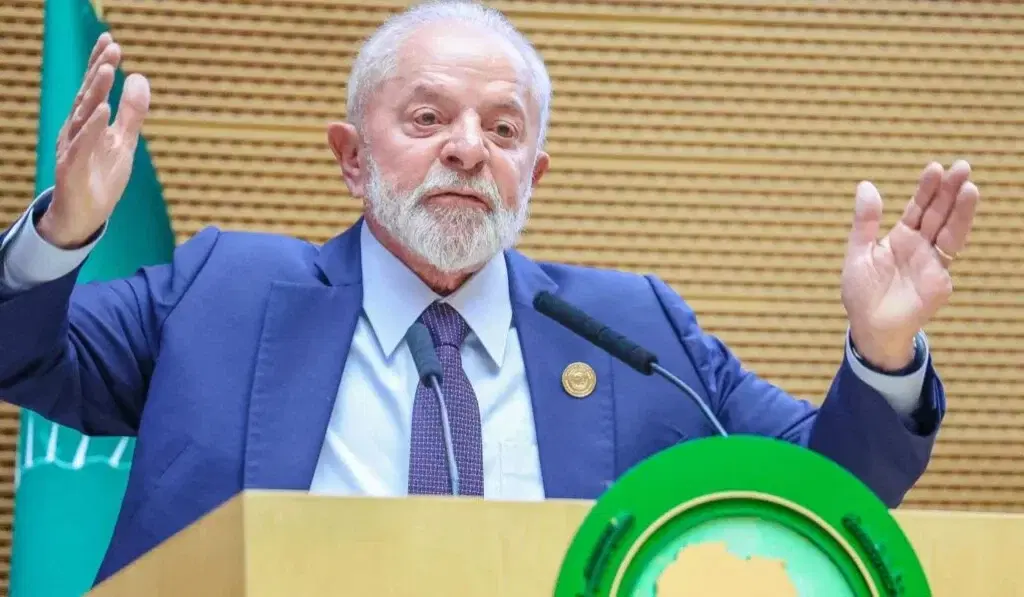
Luiz Inácio Lula da Silva secured Brazil’s presidency for a fourth time on Sunday, obtaining 51.75 % of the vote against Flávio Bolsonaro’s 48.25 %, after a Supreme Court‑ordered two‑hour extension of voting hours. The result halted a right‑leaning surge and returned the 81‑year‑old leader to power.
**Key facts**
- Official tallies show Lula with 51.75 % and Bolsonaro with 48.25 % of the valid votes.
- The runoff took place on 25 October 2026, with the extension granted after Lula argued that transport shortages prevented voters from reaching polls.
- Bolsonaro’s camp protested the nationwide extension, despite also requesting extra time in rain‑hit regions.
- Pro‑Lula supporter Nikolas Ferreira posted on X, “Either we win. Or we win. Consider yourself warned.”
- Voter sentiment reflected deep national divisions, with many citing economic hardship and security concerns.
What prompted the voting extension?
The Supreme Court of Brazil intervened after Lula’s legal team argued that bus services had been withdrawn in several cities, effectively disenfranchising voters. The court granted a two‑hour addition to the ballot‑closing time, a move that both parties contested but which ultimately allowed more citizens to cast their votes.
How did the campaign unfold?
The election campaign was marked by intense mud‑slinging and scandal. Lula’s supporters organized massive rallies under the slogan “Never Again Bolsonaro,” recalling the former president’s handling of the Covid‑19 crisis, Amazon deforestation, and cuts to public programs. Meanwhile, Lula refreshed his digital outreach, posting video selfies and even purchasing his first cellphone to connect with younger voters.
Why does the result matter for Brazil?
Lula’s victory represents a rebuff to a broader conservative wave that has swept several South American nations, including Argentina, Chile, Colombia and Peru, often under the influence of former U.S. President Donald Trump’s policies. The win also means the Workers' Party (PT) will continue to steer Brazil’s social welfare agenda, which has historically lifted millions out of poverty.
What challenges lie ahead?
Entering his fourth term, Lula faces a sharply divided electorate, a Congress dominated by right‑wing legislators, and an economy projected to slow. Citizens like 68‑year‑old retiree Tereza Cristina Ramos expressed anxiety over rising food costs, while 21‑year‑old editorial assistant Maria Fernanda Elisbao warned that Brazil risks slipping toward fascism without Lula’s leadership.
How did the public react?
In Brasília, dentist Aurelio Junior described the extension as “a disgrace,” saying Brazil had never experienced such a move. In Rio de Janeiro, business owner Jacqueline Maria Lima de Franca praised the decision, calling it “more than fair” and emphasizing the fundamental right to vote.
Lula, who first served from 2003 to 2010, will be 85 by the end of his new term in 2030, potentially marking a 16‑year cumulative tenure. His administration will need to balance social program expansion with pressing concerns over inflation, unemployment, and security, while navigating a hostile legislative environment.
The president’s final campaign message stressed national sovereignty, accusing Bolsonaro of wanting to “govern with the American flag” and urging voters to choose a country where “the flag is respected.”