Manufacturers represented by the Chemical and Non‑Metallic Products Employers Federation (CANMPEF) told a Lagos gathering at its 46th Annual General Meeting that they had spent roughly N1.35 trillion on backup power in 2025 and shed 18,935 jobs in the first half of the year, prompting a call for the Federal Government to lower energy and financing costs and streamline taxes.
Key points highlighted by the federation include:
- An estimated N1.35 trillion was spent on alternative power in 2025, a 23 % rise from the previous year.
- Manufacturing output grew by only 1.41 % in 2025, down from 1.20 % in 2024, and its share of real GDP fell to 8.05 %.
- The sector lost 18,935 workers in the first half of 2025, compared with 10,891 in the same period of 2024.
- Headline inflation fell from 24.48 % in January to 15.15 % in December 2025, yet household purchasing power remains weak.
- "Nigeria’s economy grew by 3.87 % in 2025, up from 3.38 % in 2024, while headline inflation declined and the foreign exchange market became more stable. However, these improvements have yet to translate into meaningful gains for manufacturers," said Chief Devakumar Edwin, President of CANMPEF and Vice‑President of the Dangote Group.
What growth did the manufacturing sector record?
Manufacturing expanded by just 1.41 % in 2025, a modest increase over the previous year, and its contribution to real Gross Domestic Product slipped to 8.05 % from 8.24 %. The federation warned that macro‑economic stability must be reflected in higher industrial output, job creation and export performance.
Why is electricity a major bottleneck?
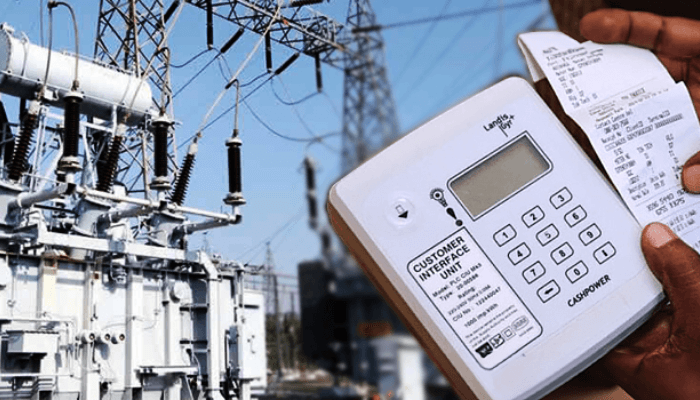
Despite a grid capacity exceeding 13,000 MW, average generation fell below 5,000 MW against an estimated demand of about 18,345 MW. The shortfall, blamed on gas‑supply constraints, transmission bottlenecks and frequent grid collapses, forced many producers of chemicals, plastics, rubber, glass, ceramics and other non‑metallic mineral products to rely on costly diesel generators and other backup sources.
How much did manufacturers spend on alternative power?
Citing data from the Manufacturers Association of Nigeria, CANMPEF disclosed that local firms spent an estimated N1.35 trillion on backup electricity in 2025, marking a 23 % increase over 2024.
What financing challenges are they facing?
The federation said high borrowing costs continue to deter long‑term investment in plant and equipment. It called for sustained monetary easing and the provision of affordable, long‑tenor financing, especially for small and medium‑sized manufacturers.
How are weak consumer demand and taxes affecting the sector?
Even though inflation eased, households have not fully recovered from the 2023 currency devaluation, limiting demand for locally made goods. CANMPEF also flagged overlapping taxes, levies and regulatory charges as additional cost pressures, urging the government to harmonise and consult industry before introducing new fees.
What relief measures does the federation seek?
While welcoming the tax reforms that took effect on 1 January 2026, the body asked that implementation avoid new layers of levies. It also praised the government’s duty‑ and VAT‑relief on 875 pharmaceutical raw materials (effective March 2025‑March 2027) and urged similar evidence‑based relief for other critical industrial inputs.
What infrastructure improvements are needed?
CANMPEF called for better security along industrial corridors, upgraded road networks, more efficient ports and the full rollout of the Nigeria National Single Window to cut cargo clearance delays and logistics costs.
Looking ahead to 2026, the federation warned that the sector’s outlook hinges on whether the recent macro‑economic gains translate into lower, more predictable operating costs. It cautioned that fuel and freight expenses could still constrain production margins, while adjustments to the new tax framework and proposed environmental levies may demand additional time and resources.