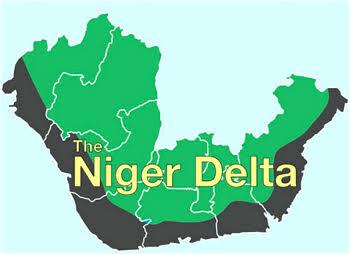
The [Movement for the Survival of the Izon Ethnic Nationality (MOSIEND)](https://en.wikipedia.org/wiki/Niger_Delta) has appealed for calm following a dispute over alleged pipeline surveillance contracts worth ₦2.7 trillion, warning that the controversy must not be allowed to fuel ethnic friction in the Niger Delta region.
MOSIEND, a long‑standing sociocultural and mass‑mobilisation body in the Delta, said the area has already endured division, marginalisation, insecurity and chronic underdevelopment, and that personal or corporate disagreements should not revive ethnic suspicion or confrontation.
The organisation reacted to a claim made by prominent Delta figure [HRH Alhaji Asari Dokubo](https://en.wikipedia.org/wiki/Asari_Dokubo), who alleged that the annual value of the surveillance contracts reached ₦2.7 trillion and named the [Olu of Warri](https://en.wikipedia.org/wiki/Olu_of_Warri) and Chief Osahon Okunbo of [Pipeline Infrastructure Nigeria Limited (PINL)](https://www.pinl.com.ng) in the statement.
The allegation prompted a response from a representative of the Olu of Warri and generated mixed reactions across the region.
In a statement signed by its President, Dr Kennedy Tonjo West, MOSIEND said it would neither endorse nor verify the disputed figure, insisting that any claim involving public funds must be backed by evidence and examined through proper institutional channels.
"If there is an allegation, let there be evidence," the group wrote, urging stakeholders to address questions about public money, contracts and procurement through established bodies rather than speculation, ethnic sentiment or unsubstantiated public condemnation.
MOSIEND noted that the Olu of Warri’s spokesperson had rejected the claim and called for a thorough review of the contracts, procurement procedures, corporate records, government approvals and performance reports, describing such scrutiny as a fair way to uncover the facts.
The group’s primary concern, however, is the risk that the dispute could take on an ethnic dimension. It warned that disagreements involving individuals, companies or contractual interests must not devolve into confrontations among Ijaw, Itsekiri, Urhobo or other Delta ethnic groups.
Recalling the Delta’s long history of coexistence, MOSIEND highlighted that its diverse communities have historically traded, intermarried, shared waterways and faced common challenges such as poverty, environmental damage, insecurity and political marginalisation.
"We can disagree without becoming enemies. We can be different and still be one," the statement read, naming the Ijaw, Itsekiri, Urhobo, Isoko, Ikwerre, Anang, Ogoni, Ibibio, Efik, Kalabari, Andoni, Obolo and other Delta peoples as groups whose fortunes are intertwined.
**What is MOSIEND’s stance on pipeline security?**
The organisation reaffirmed its support for legitimate efforts to protect oil and gas infrastructure and combat crude theft, illegal bunkering and pipeline vandalism. It welcomed the involvement of indigenous firms in safeguarding critical assets, provided they operate within the law and meet contractual obligations.
MOSIEND said indigenous operators such as PINL, Tantita Security Services Nigeria Limited and MATON should be judged on performance, contractual compliance, measurable results and legal adherence, not on the ethnicity of their owners.
The group reported receiving positive feedback from communities along the Eastern Corridor regarding PINL’s activities.
**How should ethnic leaders respond?**
MOSIEND urged the Olu of Warri, Ogiame Atuwatse III, and his council to consider peace and regional harmony when addressing such matters. It also called on the Amanyanabo of Torusarama Piri (Elem Kalabari) and [HRH Alhaji Asari Dokubo](https://en.wikipedia.org/wiki/Asari_Dokubo) to exercise caution in public statements about individuals, ethnic identity, contracts and sensitive economic arrangements.
While acknowledging Dokubo’s long‑standing advocacy for Delta issues, MOSIEND stressed that statements from high‑profile figures carry weight and should be made with awareness of their potential impact.
The organisation affirmed that public figures have the right to challenge government policies, contractual arrangements and business practices, but must distinguish between allegations and established facts, as well as between opinion and evidence.
"Where there are genuine concerns about public contracts, let the contracts be examined. Let the procurement processes be scrutinised. Let the appropriate institutions investigate. Let those accused have the opportunity to respond. That is how a serious society resolves disputes," MOSIEND said.
**What about youth and social media?**
MOSIEND warned young people and online users against turning disagreements involving prominent Delta personalities into ethnic contests for clicks or likes, stating that no amount of online attention is worth the peace of the Niger Delta.
The group concluded by urging all parties to lower tensions, avoid inflammatory narratives and allow evidence and due process to determine the issues at stake. It reminded readers that the region has paid a heavy price for division and should not pass unresolved conflicts and ethnic suspicion to the next generation.
"We have lived together, survived together and faced the same challenges together. Let us now build and prosper together. The Niger Delta is one family," MOSIEND declared.