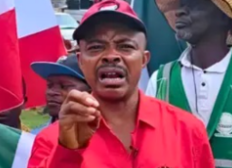
On October 29, 2026, Nigeria Labour Congress president Joe Ajaero publicly rebuked the Trade Union Congress (TUC) for turning down a newly negotiated N70,000 transport allowance, describing the payment as a crucial buffer against rising petrol prices and the broader cost‑of‑living squeeze. At the same time, the Nigeria Employers’ Consultative Association (NECA) issued a statement insisting that private‑sector employers cannot be compelled to follow minimum‑wage agreements reached without their involvement.
What is the N70,000 transport allowance?
The allowance, agreed between the federal government and organised labour, is intended to offset the escalating expenses workers face for commuting and daily necessities. Ajaero highlighted that the relief was secured only after the threat of industrial action, saying, “Nigerian workers were suffering; no intervention, nothing, and we have pushed with the threat of strike. We almost went on strike to get something, and then we got this.” He called the deal a “landmark achievement” that should not be allowed to lapse without a follow‑up minimum‑wage arrangement.
Why did the TUC reject the agreement?
Ajaero expressed surprise at the TUC’s criticism, noting that the union had not participated in the negotiations. “The agreement was not signed by TUC, and you don’t kick against something that you didn’t negotiate,” he said, urging the body to seek a higher figure, even suggesting they could ask for one million naira if they wished. He questioned whether it was preferable for the TUC to receive nothing at all.
What is NECA’s stance on minimum‑wage negotiations?
NECA reiterated that any determination of the national minimum wage must follow a tripartite process involving government, employers and workers as equal social partners, as mandated by International Labour Organisation conventions. The association praised the ongoing dialogue between the government and organised labour but warned that agreements reached without employer participation lack legal binding force. NECA emphasized that while it respects the right of the government and labour to negotiate, the statutory tripartite framework cannot be bypassed.
What are the implications for future wage talks?
Ajaero warned that the six‑month transport allowance should not expire without a new minimum‑wage deal that reflects current economic realities, including higher transportation costs, food prices, and housing expenses. He argued that a sudden cessation of the allowance without a replacement would leave workers worse off and could destabilise industrial relations.
Attempts to obtain a response from TUC Secretary‑General Nuhu Toro were unsuccessful; he acknowledged the call but failed to return it, and subsequent follow‑up attempts went unanswered.
Overall, the dispute underscores the tension between labour unions seeking immediate relief and employer groups demanding a more inclusive, legally sound negotiation process before any wage‑related commitments become binding.