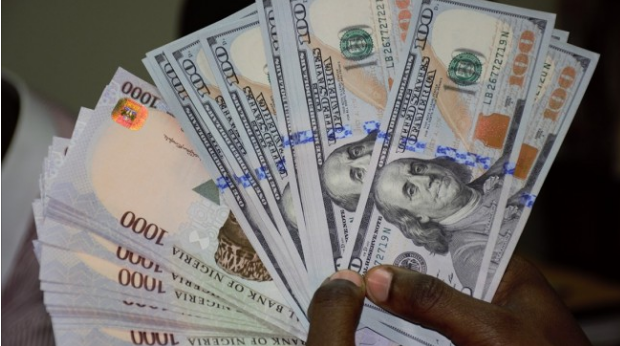
On Friday, November 6, 2026, the Nigerian naira exchanged at approximately ₦1,400 per US dollar within the parallel market, whereas the official Central Bank of Nigeria rate settled near ₦1,348.74 per dollar at the conclusion of the preceding trading session.
Figures released by the Central Bank of Nigeria revealed that the local currency closed at ₦1,348.74 against the greenback on Thursday, November 5, indicating a marginal decline compared to the preceding market day. The official benchmark rate, determined within the Nigerian Foreign Exchange Market, relies on the volume-weighted average of executed transactions.
Why does the parallel market rate differ?
In the unofficial parallel market, frequently referred to as the black market, currency dealers exchanged the dollar around the ₦1,400 threshold on Friday. Financial analysts note that actual transaction prices for buying and selling can fluctuate based on geographic positioning, individual dealers, and the immediate liquidity of foreign currency.
The persistent gap between the official bank rate and the parallel market valuation underscores sustained demand for foreign currencies outside formal financial institutions. Importers, corporate entities, overseas students, and citizens fulfilling international financial obligations continue to track performance indicators across both trading segments closely. Market watchers expect rates to experience intraday adjustments as currency trading progresses and foreign exchange demand shifts.