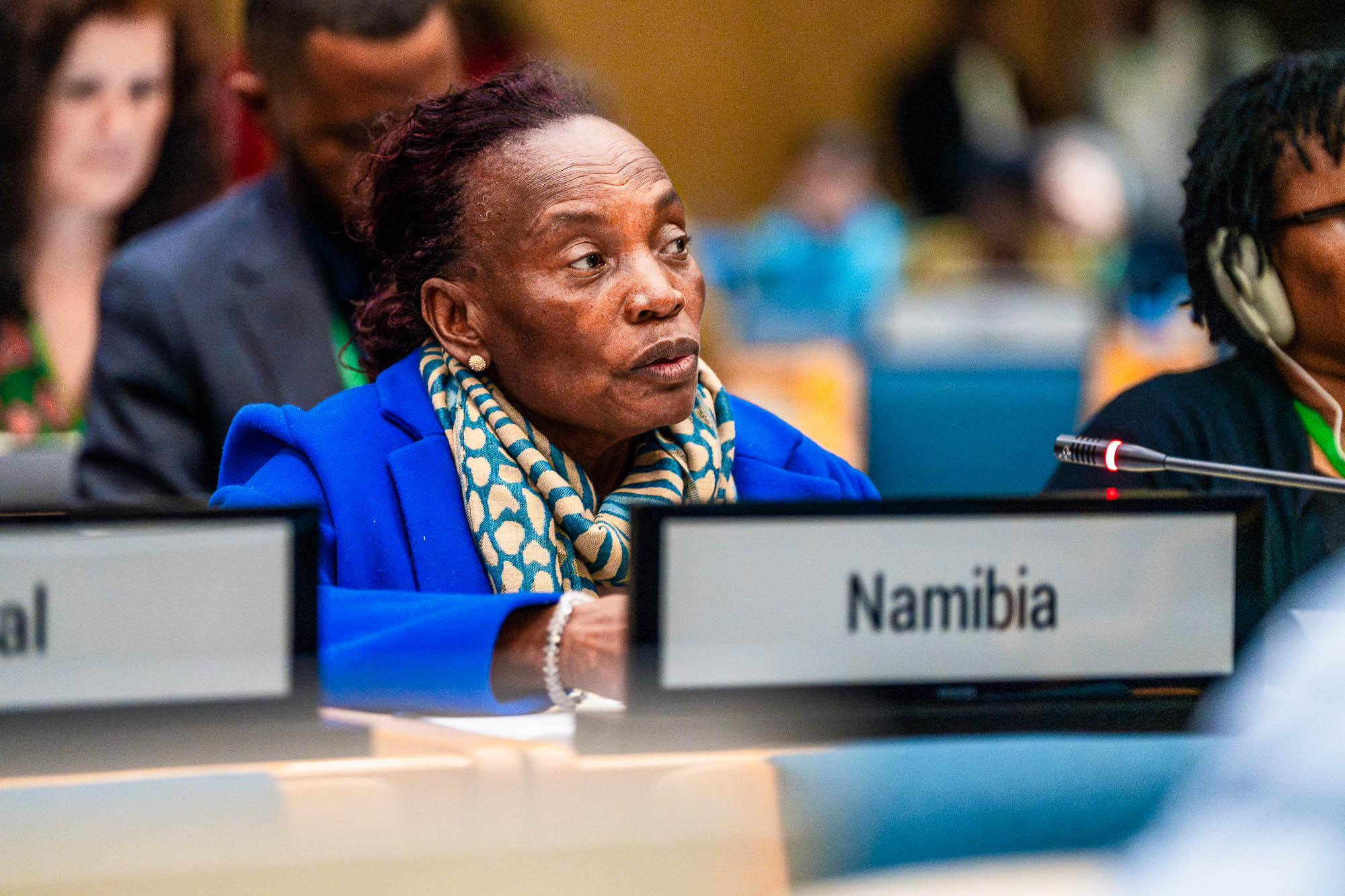
Martha Kandawa‑Schulz, a Namibian professor and the country’s Cartagena Protocol National Focal Point, died on 23 October in Yerevan, Armenia, while taking part in the ongoing [United Nations Biodiversity Conference (CBD COP17)](https://www.un.org/en/observances/biological-diversity- day/convention). Her death was confirmed in a statement released by the [Convention on Biological Diversity (CBD)](https://www.cbd.int) Secretariat on Sunday evening.
**Key facts**
- The fatal incident occurred on 23 October, the day after she had collapsed during a working‑group meeting on Friday.
- Kandawa‑Schulz was serving as Co‑Chair of the Contact Group on Risk Assessment and Risk Management of Living Modified Organisms at the conference.
- The Secretariat described her as a “highly respected colleague” whose expertise and leadership had greatly benefited the Convention and the global biosafety community.
- A quote from the Secretariat read: “The Presidency and the Secretariat are working closely together to support her family and the Namibian delegation on site, and to facilitate the necessary arrangements.”
- Delegates were invited to sign a book of condolences available from 13:00 on Monday at Entrance 2, near the Asia‑Pacific Room.
What was Ms Kandawa‑Schulz’s role at the conference?
She chaired the Contact Group that focuses on assessing and managing risks associated with living modified organisms, a critical component of the Cartagena Protocol’s mandate to ensure safe use of biotechnology.
How did the Secretariat respond to her passing?
The CBD Secretariat expressed deep sympathy to her family, friends, colleagues, and to the Government and people of [Namibia](https://www.gov.na). It also extended condolences to the African Group and other participants mourning the loss. In addition to the condolence book, the Secretariat urged all delegates to honour her memory by recognising her contributions to the Convention’s shared objectives.
Why is the conference significant?
CBD COP17 brings together representatives from nearly 196 countries, including government officials, scientists, civil‑society groups, and researchers, to discuss global biodiversity conservation and the implementation of the Convention and its protocols. The meeting serves as a platform for negotiating biodiversity targets, sharing best practices, and strengthening international cooperation.
Background on Ms Kandawa‑Schulz
A professor by training, Kandawa‑Schulz had long been a leading figure in Namibia’s biosafety landscape. Her work on risk assessment for genetically modified organisms earned her respect across the African biosafety community and beyond. Colleagues noted her collegiality, dedication, and ability to bridge scientific and policy discussions.
The Secretariat’s statement concluded by reaffirming its commitment to support the Namibian delegation and to ensure that the necessary arrangements for her family are handled with care.