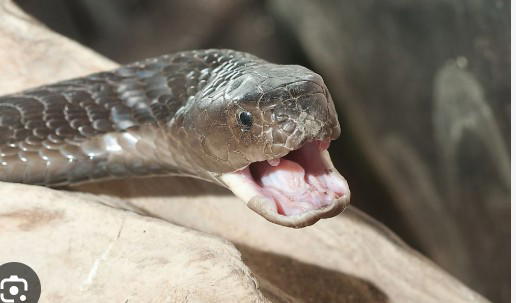
At a two‑day national training workshop held on 27‑28 October at the Lekki Conservation Centre in Lagos, health and wildlife specialists warned that Nigeria experiences roughly 43,000 snakebite cases each year, resulting in up to 2,500 deaths, and called on residents to avoid handling snakes and to seek prompt hospital care.
Key figures presented at the event include an estimated 43,000 annual snakebite incidents, with mortality ranging from 1,099 to 2,500 lives lost. The carpet viper accounts for about 66 % of snakebite deaths in the country, while the puff adder and black‑necked spitting cobra are also medically significant. Antivenom prices are steep, costing between ₦170,000 and ₦250,000 per vial, a factor that hampers timely treatment.
What does the World Health Organization say about snakebites?
The World Health Organization estimates 5.4 million snakebites worldwide each year, causing 81,000‑138,000 deaths and leaving around 400,000 survivors with permanent disabilities. Dr Abubakar Ballah, a medical expert, described snakebite as a neglected tropical disease and highlighted that farmers, herders, children and hunters are the most vulnerable groups, especially during farming, rainy and harvest seasons.
Which states are most affected?
Ballah identified Gombe, Plateau, Bauchi, Benue and Taraba as the primary snakebite‑endemic states, largely situated within the Niger‑Benue trough and Sudan Savanna zones.
What are the health risks of venom?
Venom from the carpet viper, puff adder and black‑necked spitting cobra can trigger severe bleeding, tissue necrosis, kidney failure, neurological disturbances and respiratory paralysis. Delayed hospital presentation and harmful first‑aid measures—such as tight tourniquets, wound incisions, animal‑dung applications or traditional remedies—exacerbate these effects.
How should victims respond?
Both experts stressed that victims should stay calm, immobilise the bitten limb, remove tight clothing or jewellery, and proceed directly to a medical facility. They warned against cutting or sucking the wound, applying tourniquets, or chasing the snake. For venom spat into the eyes, immediate and prolonged irrigation with water is essential.
What role do snakes play in the ecosystem?
Dr Joseph Onoja, Director‑General of the National Conservation Foundation, reminded attendees that snakes help control rodent populations, thereby reducing the risk of rodent‑borne diseases such as Lassa fever. He urged Nigerians to coexist peacefully with these reptiles.
The workshop also featured wildlife conservationist Dr Mark Ofua, who cautioned residents against attempting to catch, kill or handle snakes in mangroves, swamps, farms, gardens, construction sites, drains, compounds and stores. He listed the puff adder, black‑necked spitting cobra, forest cobra, green mamba and Gaboon viper as species requiring particular vigilance in Lagos, and noted that visual identification based on head shape, pupils, colour or size can be unreliable.
Both speakers concluded that public education, rapid hospital treatment, reliable antivenom supplies, proper storage, and strengthened referral systems are essential to curb snakebite‑related injuries and deaths in Nigeria.