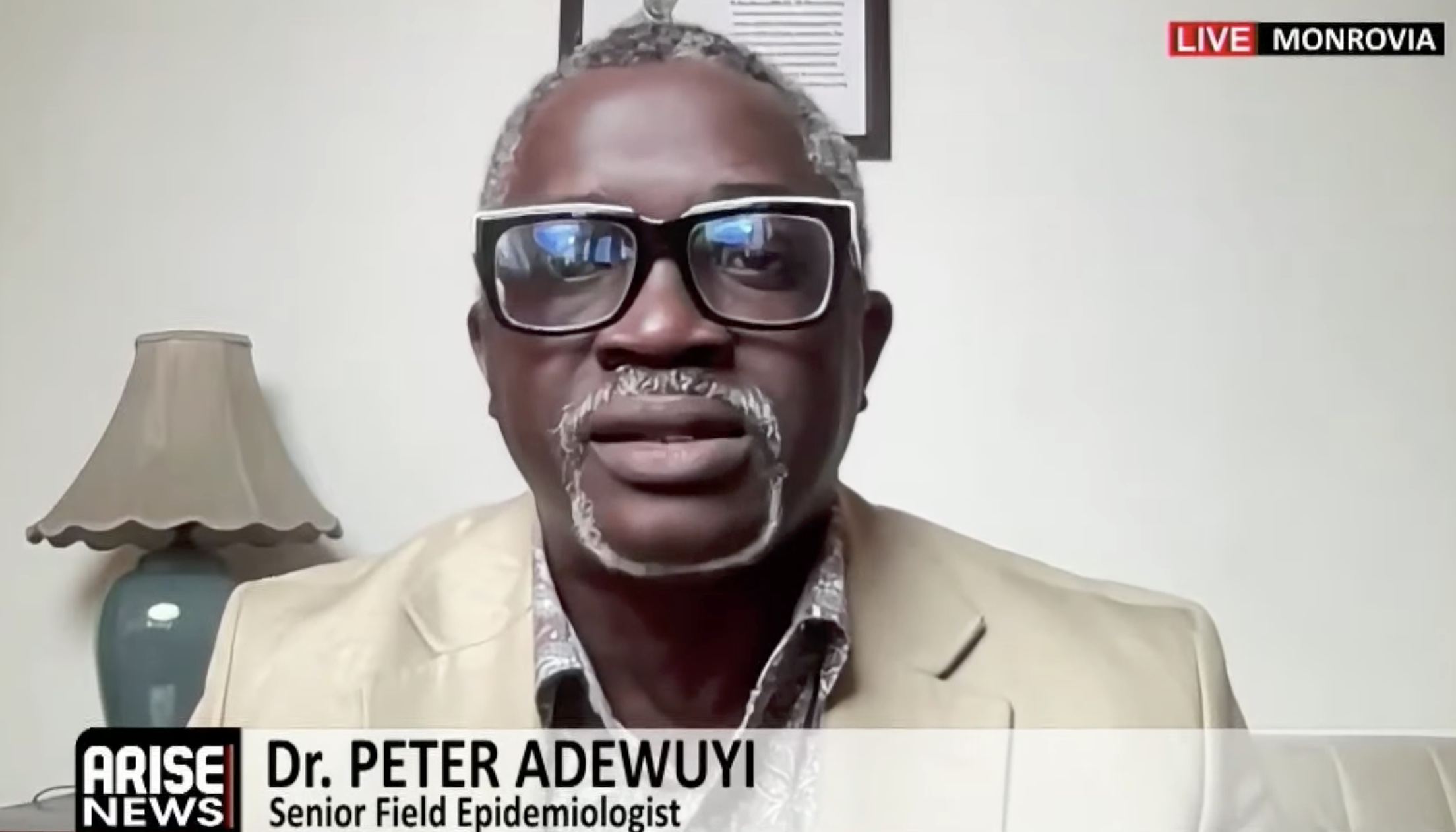
Senior field epidemiologist Peter Adewuyi has urged the federal government to allow Nigeria’s estimated 500 trained epidemiologists to take the lead in managing the confirmed Ebola case in Abuja, stressing that local expertise can contain the virus without external assistance.
Key points: the patient’s symptoms began on 7 October, four days after arriving in Nigeria; laboratory confirmation was received on 20 October; 44 contacts have been identified and are under monitoring; the 717 surveillance indicator was breached, with detection taking eight to nine days instead of the required seven.
Why does Adewuyi stress local expertise?
Adewuyi, who coordinated contact tracing during the 2014 Ebola outbreak, said the nation already possesses a robust pool of public‑health professionals. “We have about 500 epidemiologists in the country and the government should just allow them to do their work,” he told the ARISE TV Morning Show. He warned that relying on foreign epidemiologists would undermine the capacity built by Nigerian institutions such as the [Nigeria Centre for Disease Control (NCDC)](https://www.ncdc.gov.ng/).
What is the current status of the Ebola case?
The World Health Organization confirmed that the woman sought care at a private Abuja facility on 11 October, and her infection was verified on 20 October. She is now being treated in isolation. Health authorities have listed 44 individuals as contacts, including health‑care workers and support staff who attended her before diagnosis, and are closely monitoring them for symptoms.
How does contact tracing work?
Adewuyi explained that every person who may have been exposed – from doctors and nurses to cleaners and bed‑makers – is considered a contact. He cautioned that the number of contacts could rise as investigations continue and urged anyone who might have been exposed to provide accurate information to the authorities.
What lessons were learned from the 2014 outbreak?
Nigeria successfully halted the 2014 Ebola crisis after an infected traveller entered Lagos, recording 19 confirmed cases, one probable case and eight deaths. The outbreak was declared over on 20 October 2014 after 42 consecutive days without new cases. The experience led to the strengthening of the [Integrated Disease Surveillance and Response (IDSR)](https://www.cdc.gov/globalhealth/healthprotection/fetp/idsr.html) system and collaboration with the [African Field Epidemiology Network (AFENET)](https://afenet.org/), which continues to support the deployment of epidemiologists across the country.
What is the government’s response?
The federal government has activated its emergency response mechanisms, with support from the [World Health Organization (WHO)](https://www.who.int/) and other partners, to contain the infection and prevent further spread. Preparations include reinforcing surveillance, expanding contact tracing, and ensuring the patient remains in a secure isolation facility.
The situation remains under close observation, and health officials stress that early detection, rapid reporting and swift response are critical to preventing a wider outbreak.