Nigeria confirmed on 20 October 2026 an imported case of Bundibugyo Ebola virus disease in the Federal Capital Territory, prompting the activation of emergency response mechanisms and the tracing of 44 contacts to prevent further spread. The patient, a woman who returned from Uganda, showed symptoms on 7 October, sought care at a private Abuja hospital on 11 October, and was laboratory‑confirmed ten days later.
**What was the confirmed case?**
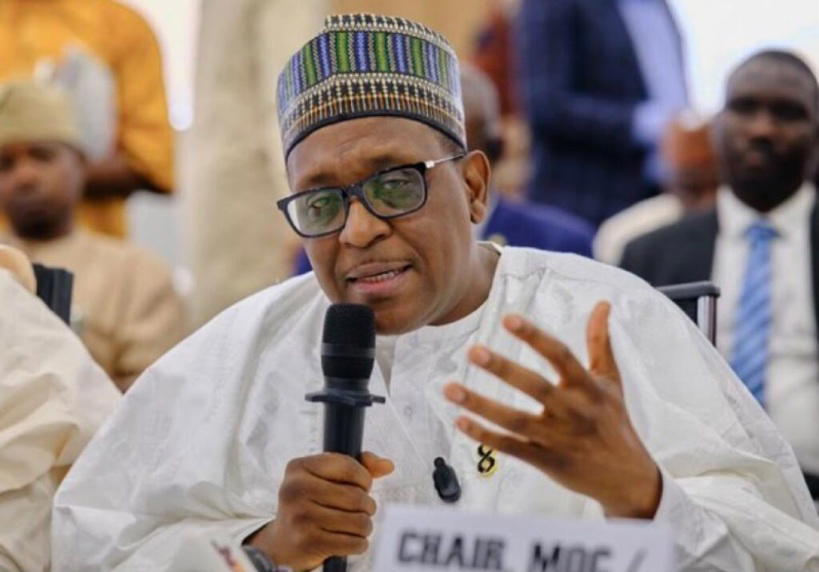
The infection was identified by the [World Health Organization](https://www.who.int) and later verified by national laboratories. The patient’s condition improved by 23 October, according to the Coordinating Minister of Health and Social Welfare, Professor Muhammad Ali Pate, who reported no evidence of community transmission at that time.
**How many contacts are being monitored?**
Health authorities listed 44 individuals for close monitoring, including health‑care workers and travel companions. The [Nigeria Centre for Disease Control (NCDC)](https://ncdc.gov.ng) activated its incident‑management system, intensified surveillance, and reinforced infection‑prevention protocols across facilities.
**Why are basic hospital supplies critical?**
Experts stress that the presence of a tap or a wall‑mounted sanitiser dispenser means little if water is unavailable or the dispenser is empty. Reliable running water, soap, hand sanitiser, personal protective equipment (PPE) and functional isolation rooms are essential for frontline staff to apply the infection‑control measures they have been trained to use.
A UNICEF‑Nigeria WASH Gender Landscape Analysis released in January 2025 found that only six percent of surveyed health facilities had adequate water, sanitation and hygiene services, underscoring a systemic infrastructure gap that could hinder Ebola preparedness.
**What are experts urging?**
The Medical and Dental Consultants’ Association of Nigeria (MDCAN) has called on hospital managements to ensure continuous water supply, stocked sanitiser, infrared thermometers, sufficient PPE and dedicated isolation spaces. It also recommends re‑activating infection‑prevention committees and conducting regular emergency drills.
Professor Dimie Ogoina, an infectious‑disease specialist at Bayelsa Medical University, warned that training alone is insufficient; without the necessary resources, health workers cannot safely implement protocols. He advocated for active case searches, rapid laboratory diagnosis, clear referral pathways and pre‑positioned IPC supplies.
**How is contact tracing being handled?**
Contact tracing remains a cornerstone of the response. Identified contacts are under daily symptom monitoring, and any suspected infection triggers immediate laboratory testing. Efficient sample processing and timely results are vital for clinical decision‑making and for preventing onward transmission.
**What should the public expect?**
Authorities plan to provide regular updates on the patient’s recovery, contact‑monitoring outcomes and any new cases. Transparent communication aims to counter misinformation, reduce stigma and encourage cooperation with health officials.
The broader lesson, echoed by veteran virologist Professor Oyewale Tomori, is that preparedness must be embedded in everyday hospital operations—not only during crises. Sustainable water supplies, functional hygiene stations, adequate PPE and well‑maintained isolation facilities are the basic prerequisites that enable health workers to protect themselves and the community when a suspected Ebola case arrives at a clinic.
If these fundamentals are consistently in place, Nigeria can transform its current Ebola alert from a fleeting emergency into a demonstration of lasting health‑system resilience.