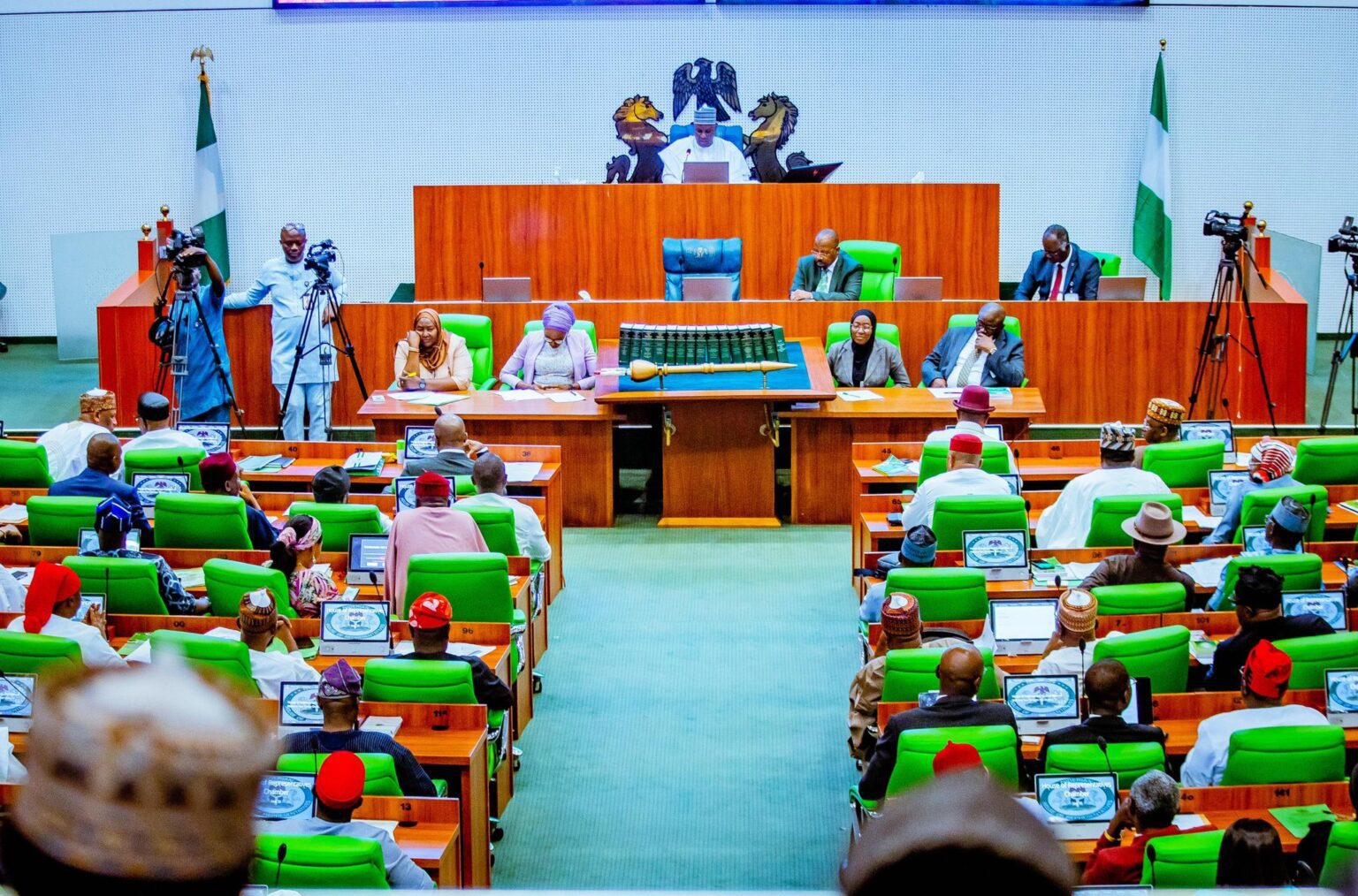
The House of Representatives has ordered the chief executives of MTN, Airtel, Globacom, 9mobile and other telecom operators to appear before an ad‑hoc parliamentary committee by 4 November, after a wave of complaints about poor voice and data service across the country; non‑compliance could lead to their arrest.
Key facts:
- The hearing was originally slated for 28 October but was postponed when the Association of Licensed Telecommunications Operators of Nigeria (ALTON) tried to have its chairman, Gbenga Adebayo, speak on behalf of the firms.
- Lawmakers warned that any CEO who fails to attend on the new date may be taken into custody.
- The committee, chaired by Olumide Osoba, will require the CEOs to detail the causes of dropped calls, slow internet, failed airtime and data transactions.
- Representative Sunday Umeha invoked Section 88 of the 1999 Constitution to confirm the House’s authority to investigate policy implementation.
- Data from the Nigerian Communications Commission indicates over 214,000 consumer complaints about network quality between April and September 2026.
What is the committee demanding?
The ad‑hoc panel insists that the CEOs and senior managers of the listed operators appear before the House and provide a full account of their service delivery. They must explain the challenges they face, the steps currently being taken to address the issues, and how they intend to meet regulatory obligations.
Why was the original date changed?
The initial appearance date of 28 October was rejected after the committee dismissed an attempt by ALTON’s chairman to represent the telecom operators collectively. Lawmakers argued that each licence‑holding company is individually accountable and cannot hide behind industry association representation.
How does the Constitution support the inquiry?
Umeha cited Section 88 of the 1999 Constitution (as amended), which empowers the legislature to investigate matters within its competence, including the execution of government policies. This constitutional backing gives the committee the legal right to summon the CEOs.
What impact does poor network quality have on Nigerians?
Frequent outages disrupt digital payments, point‑of‑sale transactions, bank transfers and e‑commerce activities, leading to financial losses for businesses and individuals. Remote workers suffer dropped video calls and missed interviews, while black‑spot areas hinder access to emergency services, compromising public safety.
What do the complaint statistics reveal?
Between April and June 2026, 120,951 complaints were lodged, and a further 96,282 complaints were recorded from July to September 2026, covering issues such as dropped voice calls and sluggish internet connections. These figures underscore the scale of consumer dissatisfaction.
The committee has adjourned its session until 4 November, when the CEOs are expected to present their explanations and outline ongoing measures to improve network performance.
Also read: “They gave me a ‘free’ router, then came to take it back”: Inside the hidden broadband clause many don’t know about.