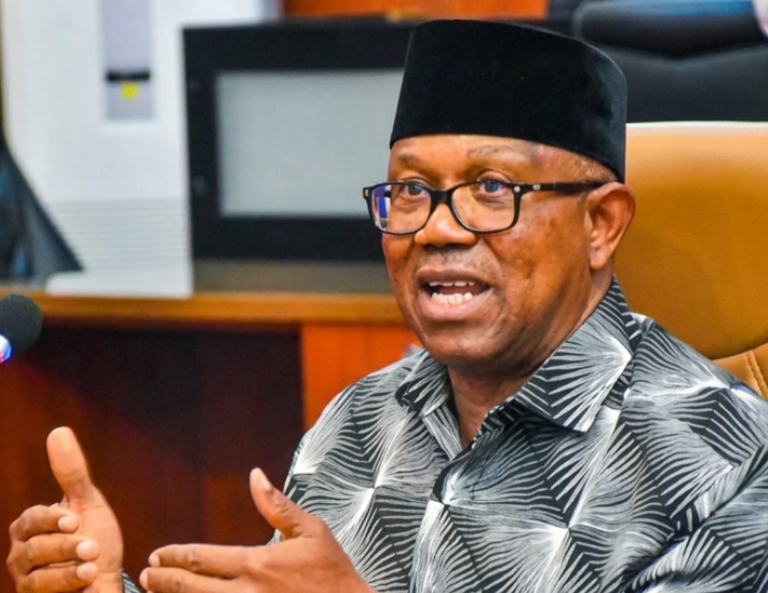
Presidential candidate [Peter Obi](https://en.wikipedia.org/wiki/Peter_Obi) of the Nigeria Democratic Congress (NDC) criticised the federal government’s 30‑day petrol discount announced by President [Bola Tinubu](https://en.wikipedia.org/wiki/Bola_Tinubu), describing the move as a short‑term political stunt that does not solve the country’s mounting economic hardships.
**What were the main points of Obi’s criticism?**
- Obi said the discount, lasting only a month, was meant to replace “political optics for sound policy”.
- He noted that the subsidy removal on 29 May 2023 was carried out without proper consultation or impact assessment.
- The former Anambra governor added that the subsequent naira float and tax reforms were poorly sequenced, contributing to higher inflation, rising prices, growing poverty, unemployment, insecurity, widening inequality and youth migration.
- Obi quoted himself: “Collectively, these policies stoked inflation in all sectors, pushing in most cases unbearable price hikes across board which placed severe shocks and other adverse consequences on Nigerians.”
**Why does Obi consider the discount ineffective?**
Obi argued that a reduction of less than five percent on fuel costs would not meaningfully lower poverty, unemployment, insecurity or inequality, nor boost productivity and exports. He questioned whether the measure was a test for reinstating subsidies or a political maneuver ahead of the 2027 elections.
**What does Obi demand from the government?**
He urged the administration to publish detailed regulatory impact assessments for its policies, enabling stakeholder consultation and the design of more inclusive, sustainable economic strategies.
**Background of the policy**
The discount follows the removal of the long‑standing petrol subsidy in May 2023, a decision that sparked public outcry and was followed by a series of reforms—including the naira’s float and new tax measures—whose combined effect, according to Obi, has been a surge in inflation and a decline in living standards.
Obi concluded that the government has raised many questions about the discount without offering clear answers, leaving Nigerians to bear the brunt of a policy he deems poorly conceived and politically motivated.