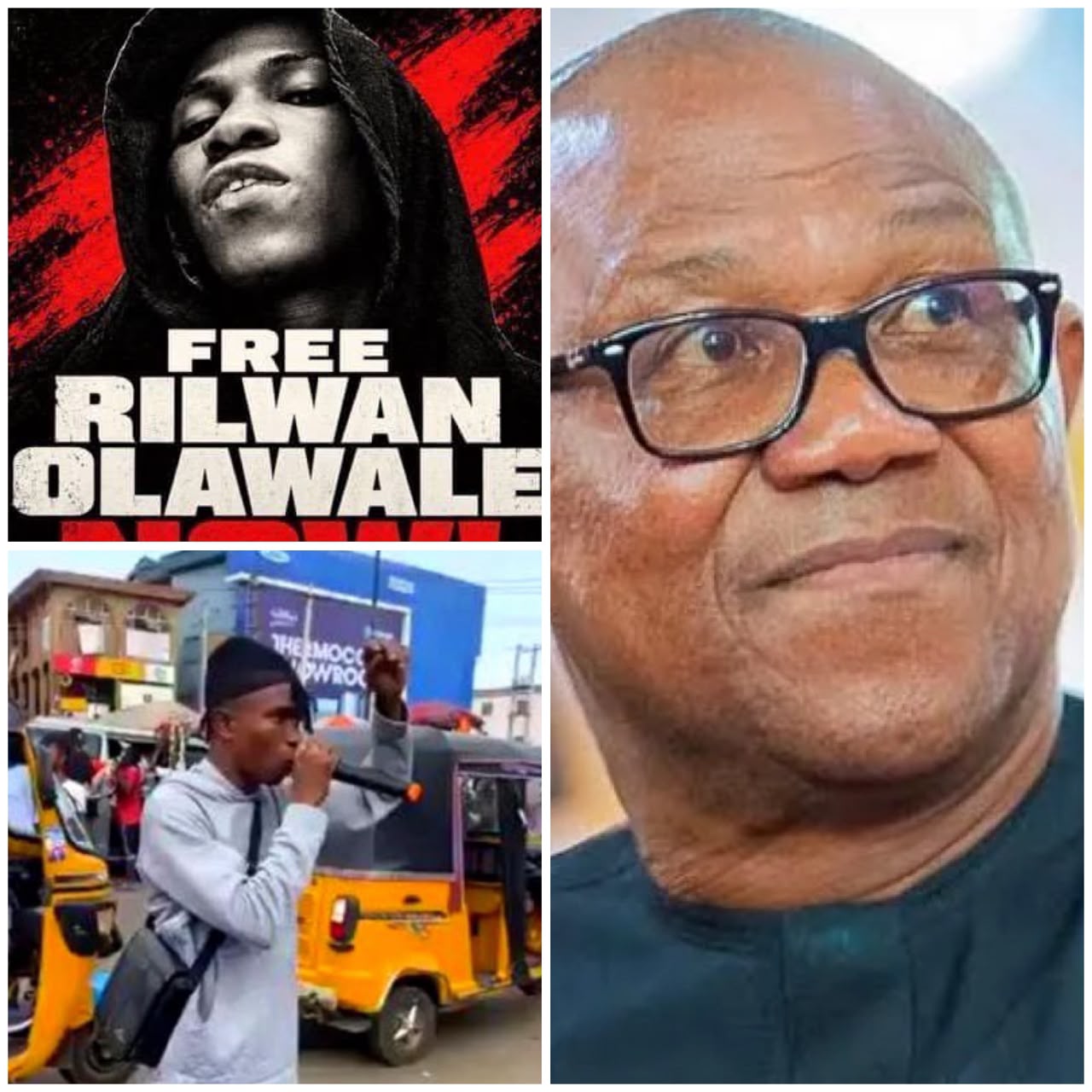
On October 25, security operatives entered a Lagos residence at approximately 1 a.m. and took into custody Rilwan Olawale, a known mobiliser for the [Nigeria Democratic Congress (NDC)](https://en.wikipedia.org/wiki/Nigeria_Democratic_Congress) and supporter of presidential candidate [Peter Obi](https://en.wikipedia.org/wiki/Peter_Obi). The former Anambra governor issued a statement on October 26 demanding Olawale’s immediate release, labeling the detention as a politically driven act of intimidation.
Key facts highlighted by Obi include:
- The arrest occurred in the early hours of Sunday, October 25, in Lagos.
- Olawale is identified as a campaign volunteer for the NDC.
- Obi alleges the detention is part of a broader pattern of harassment against his supporters.
- The former governor accuses President [Bola Tinubu](https://en.wikipedia.org/wiki/Bola_Tinubu) of undermining democratic principles by enabling such actions.
- Obi calls for transparency, respect for Olawale’s legal rights, and an end to politically motivated harassment.
**What did Peter Obi say about the incident?**
Obi’s statement condemned the operation as an example of “continued intimidation of my supporters across the country.” He urged law‑enforcement agencies to disclose the reasons for the arrest and to guarantee due process for Olawale, emphasizing that any violation of constitutional rights would be unacceptable.
**Why is the arrest considered political?**
According to Obi, the timing of the raid—coinciding with his campaign activities—suggests an attempt to disrupt the NDC’s mobilisation efforts ahead of the upcoming elections. He further argued that the use of force at an hour when most residents are asleep points to an intention to send a warning to his campaign network.
**How does the former governor view President Tinubu’s role?**
Obi accused President Tinubu of “benefiting from Nigeria’s democracy while allegedly undermining its principles,” asserting that the president’s alleged encouragement of such security actions threatens the integrity of the electoral process.
The incident adds to a series of reported confrontations between security agencies and political operatives in the lead‑up to the national elections. Observers note that similar claims of politically motivated arrests have surfaced from other parties, raising concerns about the overall climate of fairness and freedom of association during the campaign period.
Obi concluded his statement by urging the relevant authorities to release Olawale without delay, to uphold the rule of law, and to ensure that all political actors can campaign without fear of arbitrary detention.