Genuine human connections and patriotism often suffer when interactions become strictly transactional, driven by what one party stands to gain rather than mutual respect. This dynamic plays out across personal friendships, romance, and even civic duties toward the country.
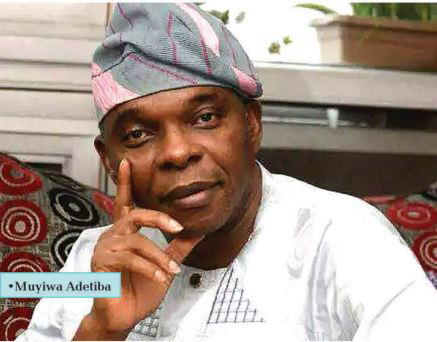
Reflecting on encounters with prominent figures from decades past, veteran media practitioners often note how initial reservations can transform into lasting bonds. When late Chief Olu Aboderin, the founding chairman of Punch Nigeria Limited, directed a young journalist to interview an influential senator described as exceptionally wealthy, the initial meeting was marked by aloofness. Refusing multiple interview follow- ups out of professional pride eventually gave way to a meeting that birthed a long-standing, respectful rapport. This relationship survived even political ambitions and consultations with regional power brokers, proving that non- transactional interactions build deeper trust.
Why do transactional relationships ultimately fail to deepen?
High-net-worth individuals and public figures are often surrounded by people seeking financial favors or social elevation through elite clubs and sports. Because they recognize this underlying exploitation, many shield themselves behind a veneer of detachment. Similarly, in romance, demanding financial support too early shifts the dynamic from genuine affection to obligation, causing suitors to grow wary.
Contrasting this, stories of individuals who insist on paying their own way—such as a young woman splitting travel costs with a wealthy beau—demonstrate how mutual respect can instantly alter a dynamic. This mirrors the principle that prioritizing a meaningful connection first allows other benefits to follow naturally, as true bonds require reciprocity rather than one-sided expectations.
How does this apply to national loyalty in Nigeria?
This transactional mindset frequently extends to how citizens view their homeland. In a society where monetary wealth often overshadows integrity, many citizens adopt an entitlement mentality, constantly asking what the country has provided for them lately. Echoing the famous sentiment by former U.S. President John F. Kennedy regarding civic responsibility, shifting the focus from extraction to contribution helps dismantle this sense of entitlement.
Ultimately, whether dealing with friends, romantic partners, or the Nigerian state, fostering a fulfilling relationship requires offering genuine loyalty and care before expecting a return.