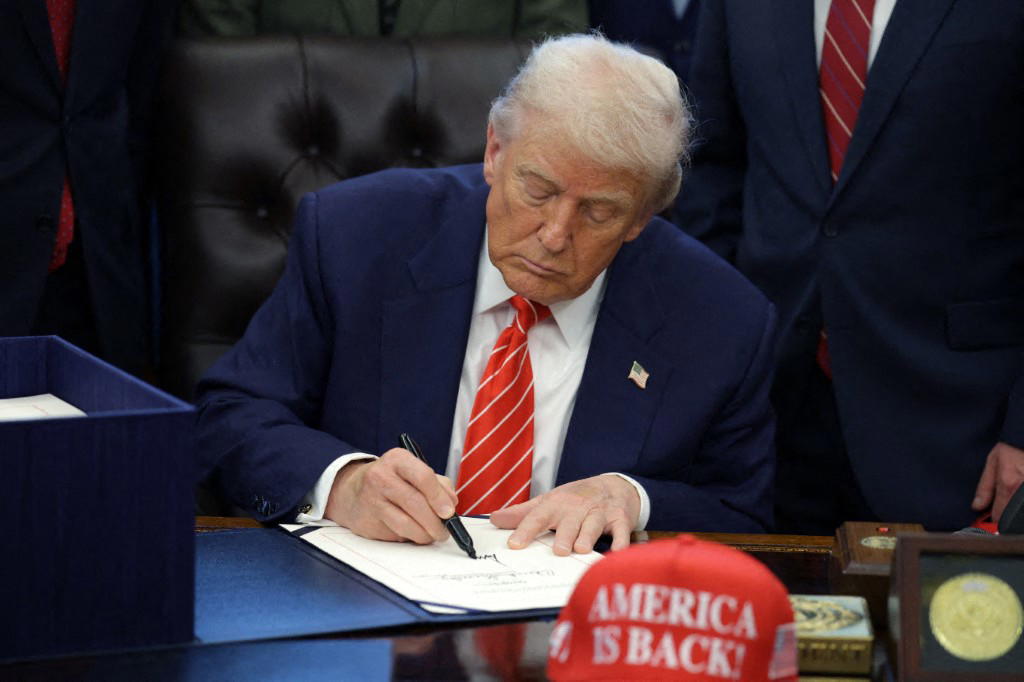
United States President Donald Trump signed an executive order on Thursday designating the Oval Office and the adjacent Cabinet Room as national monuments, a step he stated is designed to shield the historic spaces from any future modification or demolition by succeeding administrations. The White House directive follows closely on the heels of a bruising midterm election setback for the Republican Party, which lost control of both the House of Representatives and the Senate to the Democrats.
Key details surrounding the announcement include the signing date of Thursday, November 2026, the specific inclusion of both the Oval Office and the Cabinet Room, and the president's symbolic placement of a red 'veto' cap on the Resolute Desk. Addressing reporters regarding the decree, Trump remarked: 'It won’t be able to be taken down, destroyed, touched, or anything else. It’s called actually a national monument.'
Why did the president issue the order now?
The proclamation comes at a time when critics have accused the administration of prioritizing architectural projects over pressing voter anxieties, such as the rising cost of living and the ongoing conflict involving Iran. Despite the Democratic congressional victory on Tuesday, Trump chose to spotlight ongoing renovations, including a new White House ballroom, before turning his attention to the permanent preservation of the West Wing's most famous office.
What are the potential implications of the monument designation?
The move has sparked renewed speculation regarding potential structural overhauls in the West Wing, particularly following prior discussions about relocating journalists away from the standard briefing room situated near the Oval Office. Meanwhile, the 80-year-old president utilized the briefing to signal his legislative stance against the newly empowered congressional opposition, displaying a red cap emblazoned with the word 'veto' to emphasize his readiness to block unaligned bills, even as he expressed a theoretical openness to bipartisan cooperation.