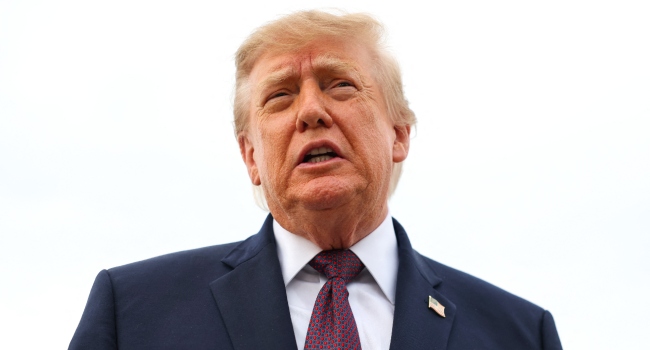
American President Donald Trump has played down the prospect of fresh military hostilities with Iran, characterising further conflict as highly improbable ahead of his scheduled discussion at the White House with Qatari Prime Minister Sheikh Mohammed bin Abdulrahman Al Thani. Speaking in a television interview on Sunday, Trump responded to ongoing commentary and prior administration warnings suggesting that airstrikes might resume in the wake of the U.S. midterm elections. While noting that future decisions would hinge on whether Tehran agrees to a comprehensive pact, the American leader argued that past military engagements had substantially diminished Iran's operational strength.
What did Trump say regarding military readiness?
"I would if necessary, but we hit them really hard. I hit them so hard. You don’t know how hard I hit them," Trump remarked during the interview, pointing to the severity of prior operations.
This diplomatic engagement occurs as international mediation efforts experience a brief pause to evaluate the political consequences of the U.S. midterms, which saw significant losses for the Republican party and a shift in congressional control. Iranian Foreign Minister Abbas Araghchi observed during a broadcast on state television that diplomatic visits by regional intermediaries have temporarily ceased while global stakeholders adjust to the outcome of the ballot.
"For the past few days, there has been no more travel, and the reason for this is the shock that the election results in the United States have caused to everyone. We now have to see how long it will take for them to digest these results, in order to determine how we are going to move forward," Araghchi explained.
Furthermore, Araghchi asserted that the electoral outcome highlights domestic weariness within the United States concerning prolonged military engagements in the Middle East. He posted on social media that the American public has grown weary of foreign entanglements in the region.
How have elections impacted policy?
Trump has previously conceded that public discontent over conflicts that escalated following joint U.S. and Israeli operations in late February played a major role in his party's setbacks in Congress. Nevertheless, the U.S. president maintained that severe economic sanctions and inflation would eventually compel Tehran to accept Washington's conditions, despite reports from Iranian state media concerning recent overnight explosions and a security incident near Qeshm Island within the Strait of Hormuz.