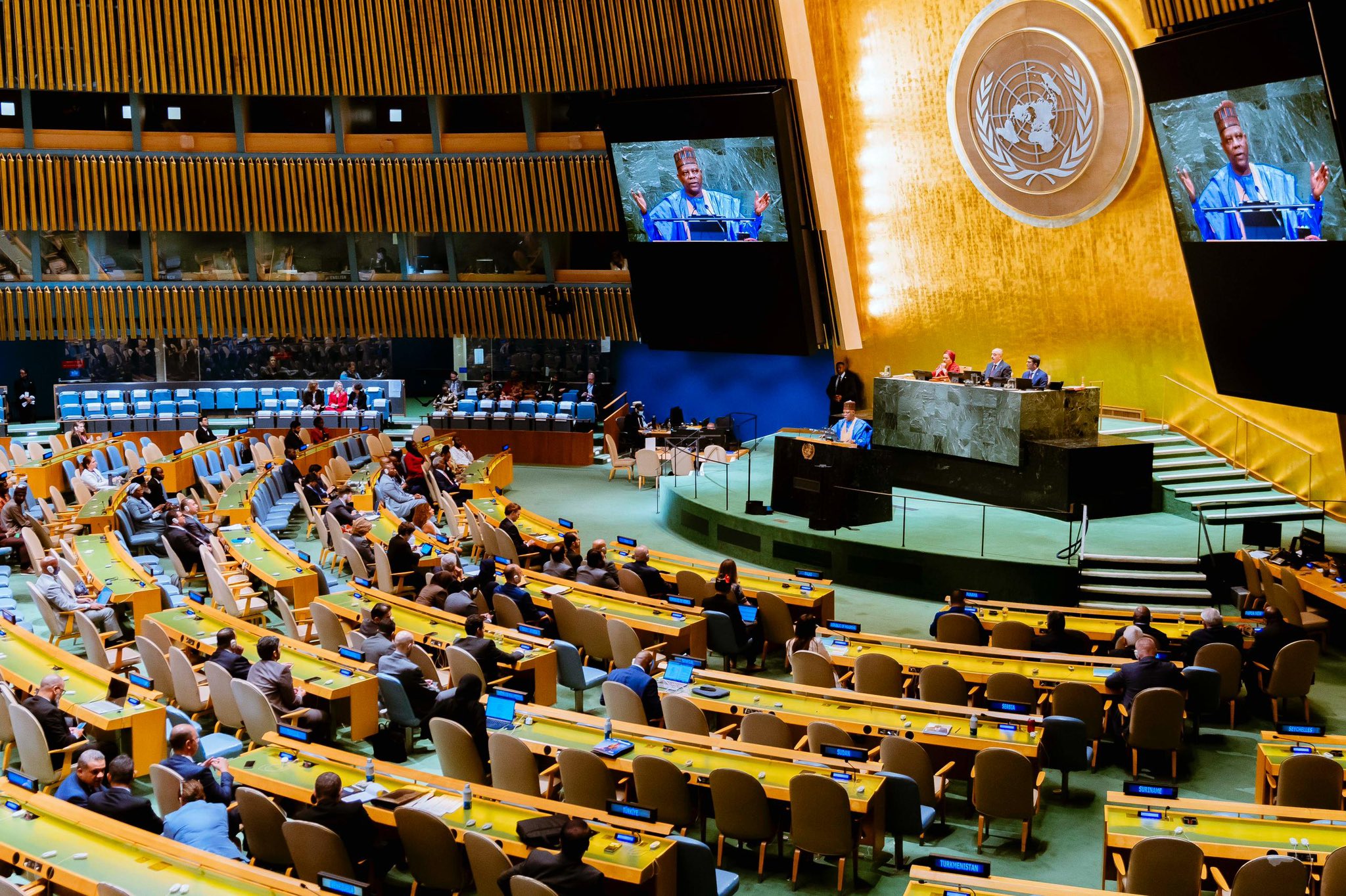
On 25 October 2026, the United Nations General Assembly adopted a resolution urging the termination of the long‑standing United States embargo on Cuba, with 130 member states – among them Nigeria and a majority of African countries – casting votes in favour.
What was the voting breakdown?
The resolution garnered support from 130 nations, while 17 countries, including the United States and Israel, voted against it. A further 25 states abstained, notably Germany and Italy, which had previously backed the measure. Morocco stood out as the sole African nation that voted in support of maintaining the blockade.
Why is the embargo significant?
The U.S. trade, economic and financial restrictions on Cuba have been in place since the early 1960s and have been renewed annually through a UN resolution first introduced in 1992. Although the General Assembly's decisions are not legally binding, they signal global consensus on the embargo’s illegality and its humanitarian impact. In 2025, the Trump administration added extra sanctions that halted oil shipments to Cuba and imposed tariffs on third‑party suppliers, deepening the island’s economic crisis.
How did the parties react?
Cuban Foreign Minister Bruno Rodriguez condemned the vote, stating that the United States was “once again isolated in its attempt to continue strangling the Cuban people.” He added, “Neither its most insane pretexts nor its pressures nor media circus will prevail over the force of facts and truth.”
U.S. Ambassador to the UN Mike Waltz, speaking to reporters after the vote, expressed satisfaction with the shift in several countries’ positions, noting, “I’m satisfied that so many countries now, including major economies like Korea, Germany and others, have shifted their position. Diplomacy takes time, but now that we’ve had a tripling of countries that have shifted, we expect that only to continue to grow.”
Background context
The annual resolution calling for an end to the embargo has consistently reflected international opinion, with more than 160 states backing it in 2025. While the measure does not compel the United States to act, it reinforces diplomatic pressure and highlights the enduring solidarity between Cuba and many African nations, a relationship rooted in historic anti‑colonial cooperation.
The Cuban embassy in Washington celebrated the outcome on its X account, declaring, “Victory for Cuba at the UN. Washington was isolated once again. #CubaIsNotAThreat; the blockade is.” The vote underscores a growing global consensus that the decades‑old embargo is untenable and increasingly at odds with contemporary international norms.