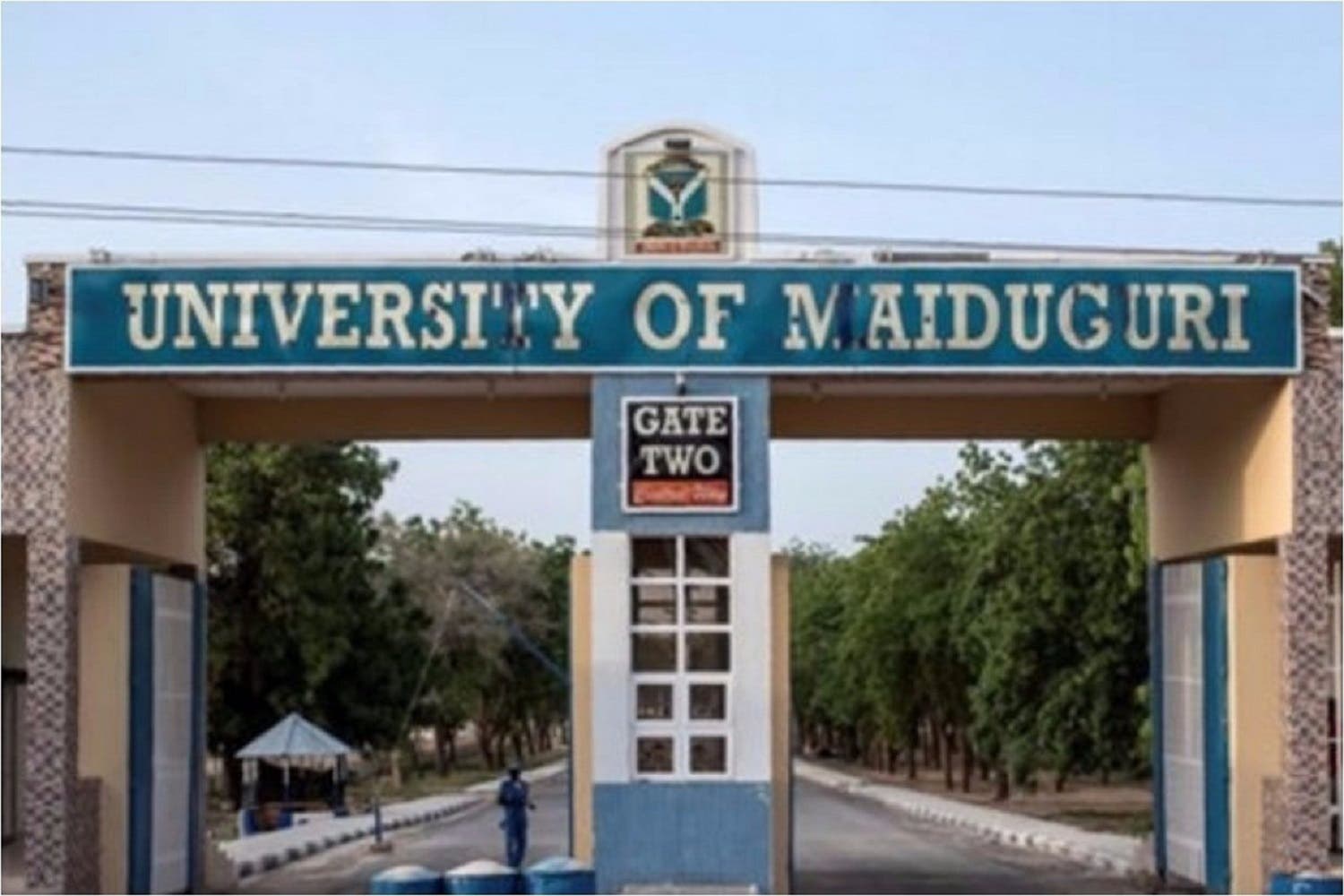
The Global President of the UNIMAID Alumni Association, Baba Shettima Kukawa, revealed this past weekend during the association's annual general meeting held in Abuja that the organization intends to launch a substantial scholarship endowment fund next year. The initiative is designed to provide financial assistance to indigent students, including support for their living expenses, though the exact number of beneficiaries will be decided based on available resources and current student needs when the program officially begins.
Kukawa explained that this scholarship fund represents a key component of the association's broader strategy to deepen its contributions to the university and enhance the welfare of its students. The association had recently presented its 2027 agenda to members, which includes the creation of a professional development board aimed at strengthening networking, knowledge- sharing, and mentorship opportunities among alumni.
The board will initially focus on five professional fields, including accounting, law, medicine, and geology, according to Kukawa. He emphasized that this initiative would create valuable opportunities for experienced alumni to share their expertise with younger graduates and current students through mentorship and coaching programs.
Beyond scholarship support, the association is also working to strengthen its institutional framework to ensure continued effectiveness beyond the current leadership. The administration, which assumed office last year, had adopted a three-point agenda centered on unity, structure, and impact. Kukawa noted that the association had established an online portal through which nearly 10,000 alumni had registered within just four months.
"We came in last year and said we had a three-point agenda. One is unity, two is structure, and three is impact." He added that the association was developing policies, procedures, and operational frameworks to improve its effectiveness and ensure that its interventions benefit members, students, the university, and the wider community.
VC Prof. Muhammed Laminu Mele, the Vice-Chancellor of UNIMAID, also addressed the alumni reunion dinner and award night in Abuja, urging graduates to continue supporting the institution's development. He highlighted that collective contributions from alumni are vital to sustaining academic excellence and national development.
The event brought together alumni and various stakeholders to celebrate the university's achievements and discuss strategies for its future growth. Mele praised the university's ability to overcome significant challenges through collective resilience and support from the Federal Government, Borno State Governor Babagana Zulum, other state governors, the National Assembly, partners, and traditional rulers.
He congratulated the award recipients and encouraged alumni to use the reunion as an opportunity to renew their commitment to the institution. Kukawa also recognized Vice-President Kashim Shettima for his leadership in mobilizing support for the successful relaunch of the university's Endowment Fund.
Earlier, Baba Shettima Kukawa stated that his executive had made progress in building a stronger and more inclusive global alumni network. He reported that the association had registered nearly 10,000 members through its online portal, describing it as the largest alumni database for the university. The platform was also used to conduct the association's first nationwide online election.
Kukawa confirmed that the association was developing a scholarship endowment fund, a mentorship programme, and a professional development board to support students and graduates. He said these initiatives were expected to be implemented before the end of the year.
In his keynote address, Engr. Ifeoluwa Oyedele, President of the Worldwide University of Lagos Alumni Association, spoke about UNIMAID's survival and continued pursuit of academic excellence despite the insurgency in the North- East as a testament to institutional resilience. He recalled that there were calls during the height of the insurgency for the university to relocate from Maiduguri, but its continued presence in the city reflected the determination of its management, staff, students, and alumni.
Oyedele urged alumni associations to establish leadership succession frameworks to preserve institutional memory and ensure programme continuity. He also called for structured mentorship programmes to help younger graduates navigate unemployment, economic uncertainty, and professional challenges. He emphasized that alumni associations should strengthen relationships among older graduates, undergraduates, and current students to mobilize their intellectual, professional, financial, and social resources for institutional development.
He concluded by noting that unity should not be mistaken for uniformity, stating that alumni could hold different opinions while remaining committed to a common purpose.