
President Donald Trump has stated that the United States is contemplating a reduction in its military activities in Iran, signaling a possible change in approach as the conflict enters its third week.
During remarks on Friday, Trump suggested that other nations might soon bear the responsibility for ensuring the security of the critical Strait of Hormuz, although US forces are expected to maintain a significant presence in the area.
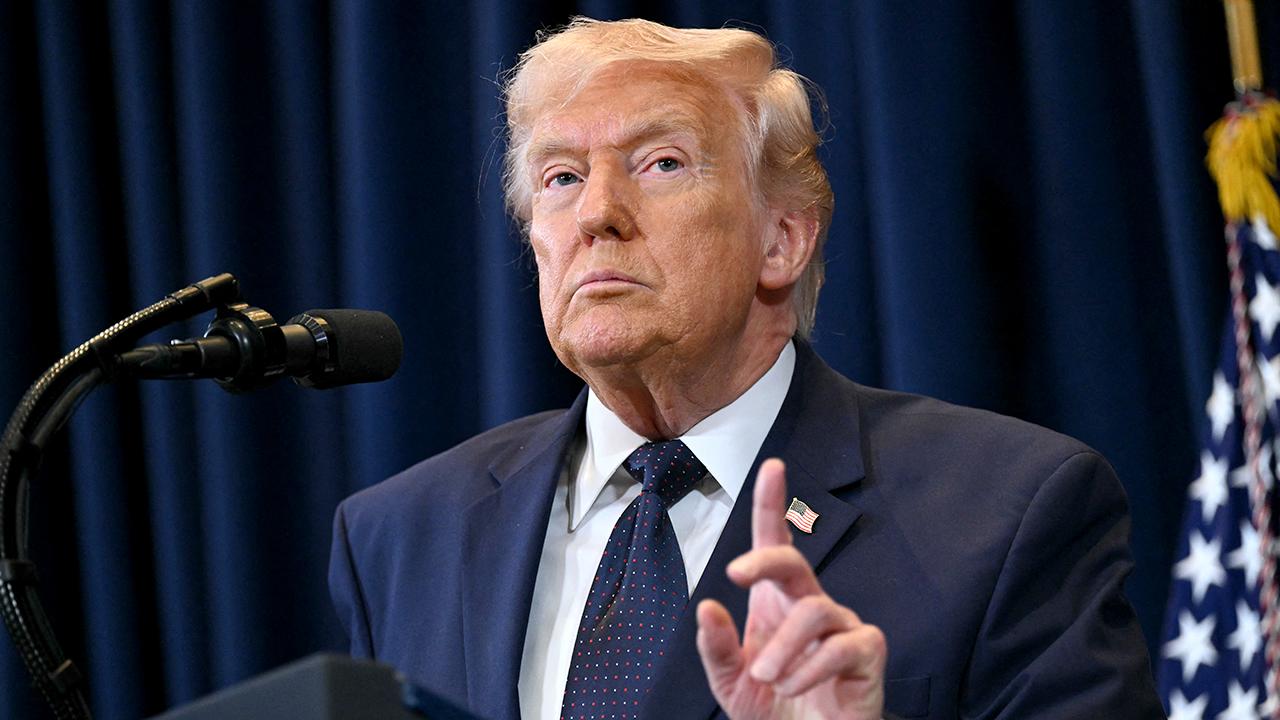
Earlier in the day, the president expressed openness to diplomatic engagement but dismissed the idea of an immediate cessation of hostilities. He remarked, "I could have dialogue" with Iranian officials, but added, "I don’t want to do a cease-fire…You don’t do a cease-fire when you’re literally obliterating the other side."
Concurrently, the Pentagon is increasing its military deployments, dispatching three additional warships and thousands of Marines to the Middle East. This represents the second substantial deployment of Marines to the region within a week, highlighting continued operational readiness despite discussions of a potential withdrawal.
Iranian leadership has maintained a defiant stance. The nation's new supreme leader declared that "safety must be taken away" from its adversaries, and the Iranian armed forces pledged to pursue opponents even in civilian areas.
The current situation represents a complex juncture in the conflict, characterized by indications of de-escalation juxtaposed with ongoing military reinforcement and firm positions from both sides.
Faridah Abdulkadiri
Comments (0)
You must be logged in to comment.
Be the first to comment on this article!