
In a world where fashion is becoming more globalized, new designers are reimagining cultural heritage within present-day design frameworks. Nigerian designer Victor Alao, the founder of Correctshapers, is contributing to this evolving narrative with his collections ARIKÉ and OKIN, which delve into the relationship between functionality, identity, and traditional textile stories.
These collections have achieved recognition on the international stage, winning a Silver Award at the French Fashion Awards 2026 in the Ready-to-Wear – Cultural and Ethnic Apparel category, as well as receiving a Global Recognition Award 2026, showcasing early acknowledgment from the industry of the designer’s innovative direction and execution.
Created following his training in Fashion Design and Styling, Alao's collections represent a disciplined exploration of how African textiles and cultural inspirations can be reinterpreted into contemporary, commercially viable clothing.
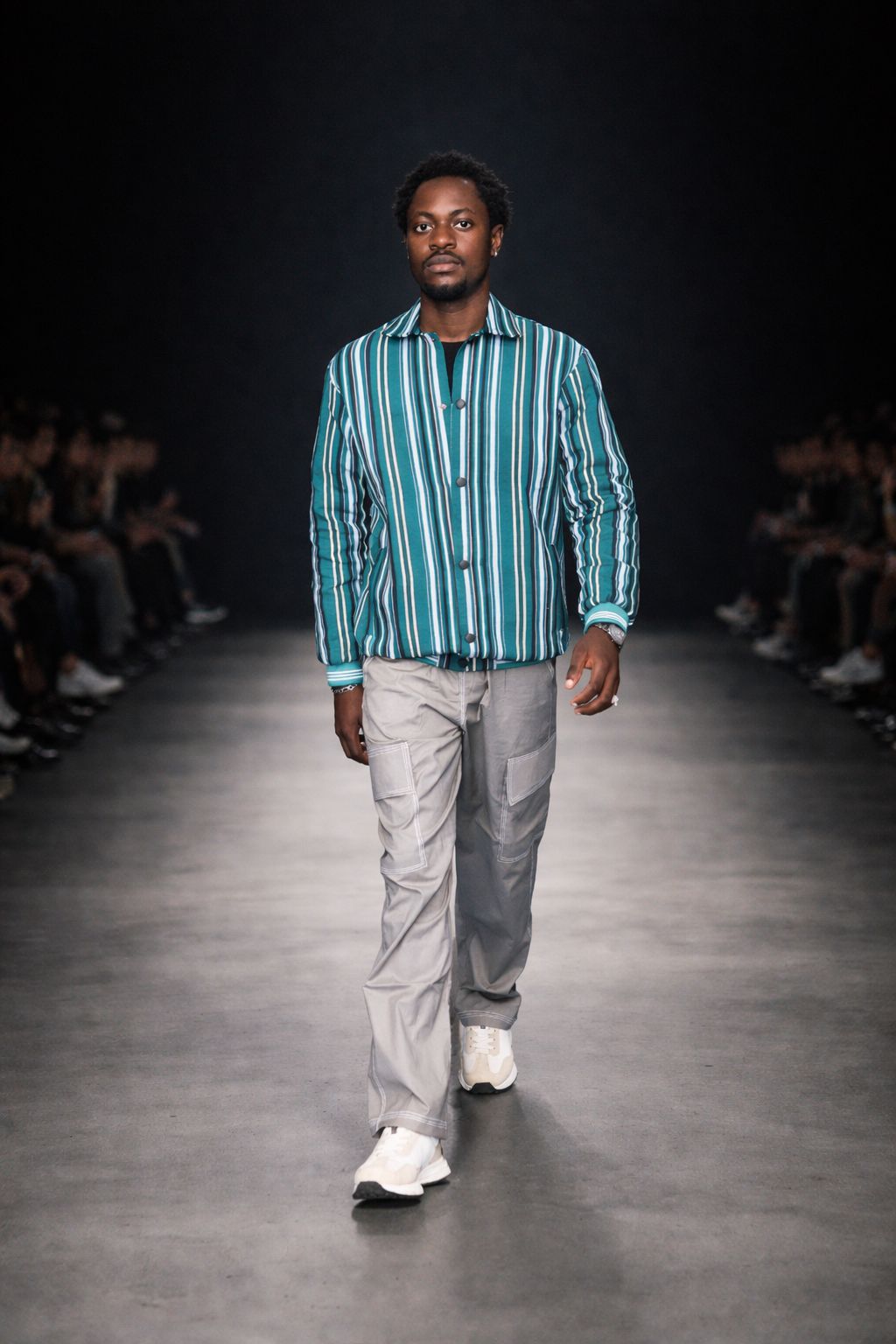
The ARIKÉ collection focuses on menswear with an emphasis on unisex silhouettes, drawing influences from urban African settings and workwear aesthetics. This collection prioritizes construction, strength, and practical design over embellishments. Items like structured jackets, cargo pants, and hooded garments reveal a meticulous approach to elements such as paneling, visible seams, and strategic pocket placement, enhancing both aesthetic appeal and utility.
Significantly, Alao recognizes the realities of production; his fabric use of structured cotton blends indicates a thoughtful approach toward sustainability, durability, and accessibility in broader markets. Notably, the ARIKÉ collection refrains from idealizing cultural motifs, instead situating African-inspired designs within a global streetwear context, thus ensuring its relevance across various markets.
In contrast, the OKIN collection shifts the focus towards textile heritage and feminine aesthetics, centering on Aso Oke, a handwoven fabric traditionally reserved for ceremonial attire. Alao examines the transition of heritage textiles into modern wardrobes, showcasing structured co-ordinates, tailored tops, and high-waisted trousers that balance cultural authenticity with modern aesthetics.
Sourced from Oyo State, the textiles imbue the collection with material integrity, while construction techniques such as reinforced seams, layering, and functional details reflect a modern design sensibility. The collection excels in its reinterpretation of Aso Oke, repositioning it from a cultural relic to a practical fabric within ready-to-wear fashion, thereby extending its appeal to new consumers.
Together, ARIKÉ and OKIN represent two synergistic facets of Alao’s creative vision: one focused on functional, market-ready menswear and another rooted in culturally inspired, textile-driven womenswear. The distinctive quality of Alao's work lies in its focus on three key dimensions: cultural narrative, technical craftsmanship, and commercial scalability.
Although still in the early phases of his career, Alao is showcasing a growing comprehension of fashion as not just a form of artistic expression but as an industry propelled by concepts of production, identity, and global presence.
The accolades awarded by international institutions further demonstrate that his work resonates beyond local contexts, enriching the ongoing dialogue about African design's place in contemporary fashion. As more designers seek harmony between heritage and innovation, ARIKÉ and OKIN exemplify how traditional narratives can be successfully expressed through modern garments without sacrificing cultural significance.
Victor Alao’s work embodies a broader transformation within the African fashion landscape, moving beyond mere representation to a meaningful integration within global design conversations.
Comments (0)
You must be logged in to comment.
Be the first to comment on this article!