
Yusuf Dantalle, the National Chairman of the Inter-Party Advisory Council (IPAC), has raised alarms about various elements of Nigeria’s Electoral Act, cautioning that certain provisions could disenfranchise voters and ultimately undermine democratic processes.
He declared, "The provisions of the law will significantly disenfranchise some individuals or are dysfunctional in certain aspects."
Criticizing the limited time allocated for submitting membership registrations, Dantalle pointed out that the mandatory requirement for National Identification Numbers (NIN) is impractical, warning it might erode inclusivity and the integrity of elections.
He stated, "Requiring political parties to mandatorily include National Identification Numbers is tantamount to resetting the membership registration process of political parties. Regardless of whether you have a NIN, every political party is obligated to submit its membership register to INEC before any major elections, so that is not the issue."
He further explained, "However, if we now have to withdraw this and review it to incorporate the mandatory NIN, the timeframe to implement this across all 36 states is so brief that we won’t be able to meet before the elections."
"It’s only about four to five weeks. This is a critical task that influences who takes up roles in our socio-economic and political sphere. If this proceeds, it means the electoral landscape will not be free, fair, or inclusive. If it's neither fair nor inclusive, it undoubtedly impacts election credibility," he elaborated.
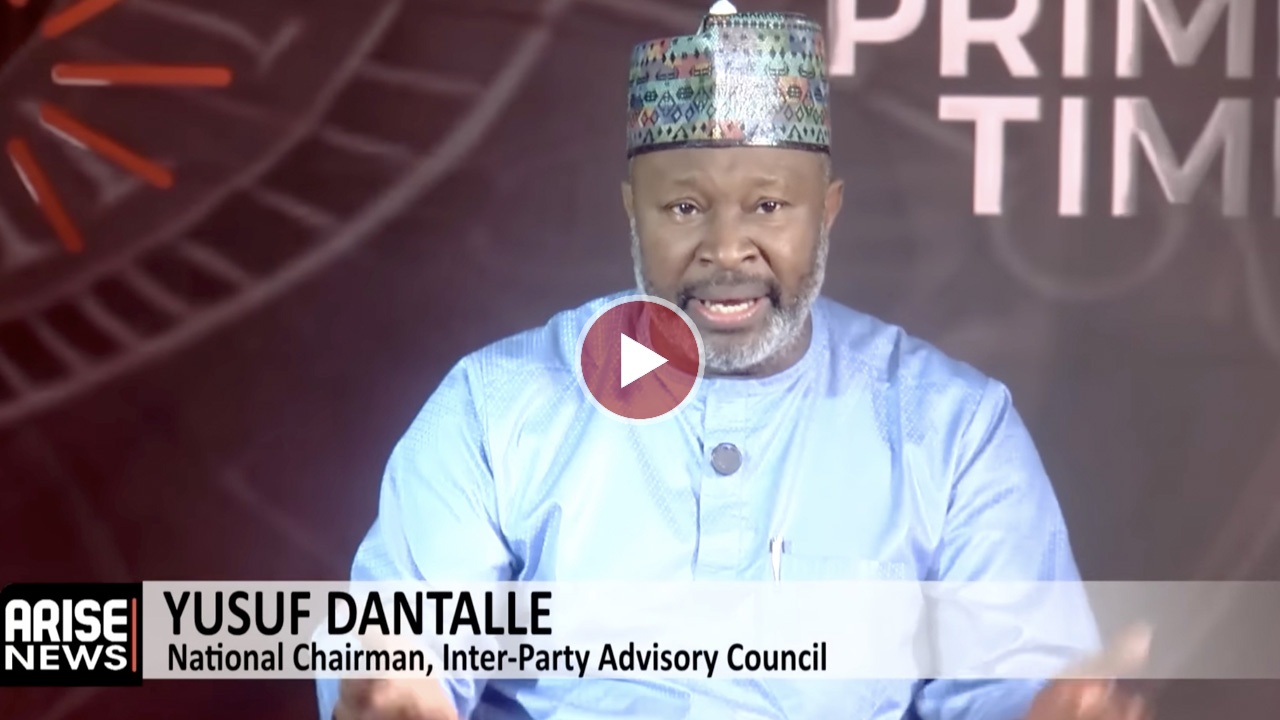
Dantalle also expressed concerns about lenient penalties for vote buying and certificate forgery, asserting they pose serious threats to democratic integrity.
He questioned, "The new electoral act has largely diluted the legal consequences for certificate forgery and reduced penalties for vote buying. Vote buying is a significant offense; it undermines democracy, so why should we treat it lightly?"
Additionally, he noted that IPAC had suggested that the appointment of INEC leadership be removed from executive control to ensure true independence, but this proposal was disregarded during the review of the Electoral Act.
"We engaged with the joint committee of the National Assembly tasked with these responsibilities and made substantial recommendations. A primary suggestion was that if elections are to be fair and free, the appointments of INEC’s chairman and commissioners must not be under executive influence. Instead, a body comprising legal experts, civil society members, and political parties should handle it. However, it received no attention; it was ignored."
On the issue of electronic result transmission, Dantalle advocated for mandatory uploads without any conditions. He stated, "Mandatory transmission should occur without exceptions. While they argue about network failures, the explanation given by INEC suggests that with or without internet, using the BVAS, if voting occurs without network, it will transmit once back in a network zone."
He underscored the importance of providing legal validity to the Integrated Results Viewing (IReV), emphasizing that it should hold the same legal weight as manually collected results.
Furthermore, Dantalle stated that while INEC's attempts to enhance transparency during party primaries are commendable, they must be supported by robust legal frameworks.
He remarked, "While INEC is making strides, they require the necessary legislation to help achieve these objectives."
Regarding party defections, Dantalle argued that lawmakers who switch parties after winning elections should forfeit their seats to maintain the integrity and sustainability of political parties.
"This formed part of our recommendations to the National Assembly. Moving from one party to another after winning an election should automatically result in the loss of that seat. It's imperative for the health, existence, and continuity of other parties," he said.
Concerning INEC’s financial regulations, Dantalle indicated that political parties will examine nomination fees and funding criteria before suggesting any changes.
"Just yesterday, INEC made a presentation. We, political parties, have agreed to reconvene to assess how favorable or unfavorable it is for the system. We'll provide feedback to INEC on whether adjustments are necessary but commenting at this point would be premature since we're still evaluating," he explained.
Dantalle warned that if suggested reforms are overlooked, IPAC may contemplate boycotting the elections.
"IPAC has already threatened to boycott elections if the environment is neither fair nor inclusive. We will reassess the situation, as this position reflects that of the Council. Ultimately, it's crucial that these elections take place and that they occur in a democratic manner," he concluded.
Comments (0)
You must be logged in to comment.
Be the first to comment on this article!