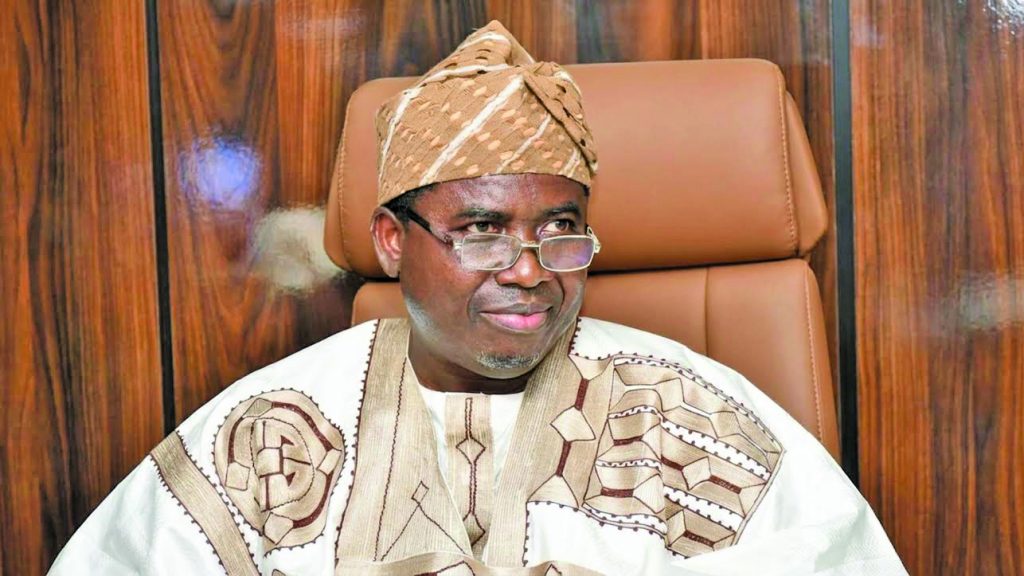
The Independent National Electoral Commission has firmly stated that the statutory timeline for the upcoming 2027 general elections is unchangeable and will proceed as scheduled. Speaking in Port Harcourt during an interactive assessment meeting with regional personnel across the six South-South states, INEC Chairman Prof. Joash Amupitan emphasized that the electoral body is fully dedicated to delivering transparent and credible polls in strict compliance with legal frameworks.
What did the INEC chairman say about the election timeline?
Prof. Amupitan made it clear that the commission would not entertain any adjustments to the established timetable. "Our statutory timeline is fixed. We will not change anything. The election must hold as scheduled," he stated while addressing staff members during the evaluation tour.
Why will Rivers State receive special focus?
During the briefing, the electoral chief revealed that Rivers State will be accorded special attention due to having the highest concentration of registered voters within the South-South geopolitical zone. Official figures presented at the gathering showed that Rivers leads the region with 3,736,434 registered voters. It is followed closely by Delta State with 3,525,988; Edo State with 2,865,263; Akwa Ibom State with 2,566,198; Cross River State with 1,928,978; and Bayelsa State with 1,200,691, bringing the regional total to 15,823,550 registered voters.
Amupitan charged officials to ensure that no eligible voter is disenfranchised due to operational lapses, noting the immense electoral significance of the zone. He also provided updates on the voters' register, disclosing that over 5,000 requests for corrections alongside more than 600 objections are currently being addressed ahead of the final register release scheduled for December 15. An initial proposal to entirely revalidate the voter database was abandoned due to its proximity to the main polls.
How is INEC preparing for security and technological challenges?
Drawing confidence from previous off-cycle ballots—particularly the Osun State governorship election, which recorded high turnout and widespread acclaim despite initial security anxieties—Amupitan assured the public that valuable operational lessons have been integrated into 2027 planning. He stressed that the commission is actively collaborating with law enforcement agencies, including the Nigeria Police Force and the Department of State Services, to secure voters, ad hoc personnel, and sensitive materials.
Addressing emerging technology concerns, the INEC chairman dismissed notions that artificial intelligence or algorithms would dictate election results, reiterating that the ultimate choice rests with the Nigerian electorate. Nevertheless, he acknowledged potential cybersecurity vulnerabilities and assured that the commission is fortifying its digital architecture to prevent interference.