
A two-week truce has brought a temporary cessation to the conflict initiated by the United States and Israel against Iran on February 28, 2026, moving the world away from the precipice. President Trump stated that this pause is intended to create an opportunity for negotiating a "definitive agreement concerning long-term peace with Iran, and peace in the Middle East."
Operation Epic Fury, described as the most extensive military operation since 2003, inflicted substantial damage on the three primary combatants, alongside immense human suffering and severe economic repercussions across the Middle East and globally.
Over a period of more than six weeks, coalition forces from the US and Israel reportedly targeted over 15,000 sites. These included approximately 70% of Iran's missile launchers, hundreds of ballistic missiles, and over 85% of its surface-to-air defense systems. Naval assets were also heavily impacted, with a majority of Iran's fleet reportedly sunk or destroyed. The strikes extended to infrastructure such as bridges and railways, as well as residential areas, places of worship, and cultural landmarks.
The offensive also led to the reported deaths of key Iranian leaders, including Ayatollah Ali Khamenei, along with other high-ranking military and civilian officials. Estimates suggest casualties numbered over 2,000 military personnel and more than 1,600 civilians, including children.
In response, Iran unleashed thousands of projectiles towards Israel and Gulf nations, striking military installations, energy facilities, airports, and civilian areas like ports, hotels, data centers, and residential zones. Refineries, LNG plants, oil terminals, and gas fields sustained damage, causing significant fires, particularly in Saudi Arabian and UAE facilities. Iran also proceeded to block the Strait of Hormuz, leading to global oil supply disruptions and price shocks.
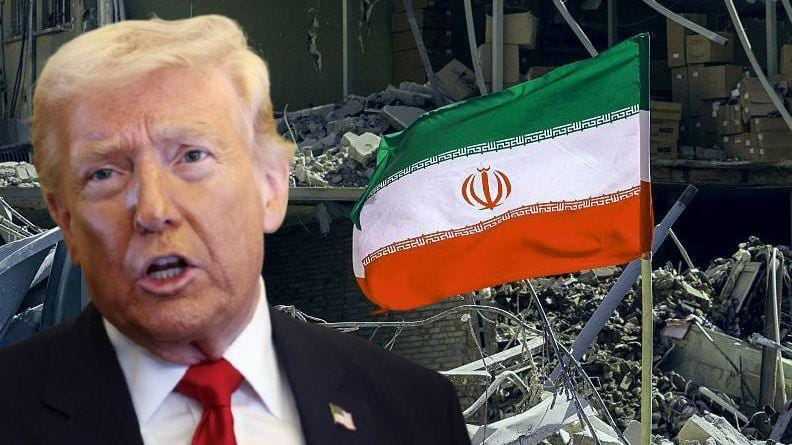
Crucially, the conflict was initiated in apparent contravention of the United Nations Charter and international humanitarian law, principles reinforced by Common Article 1 of the Geneva Conventions and customary international law. Statements from senior US and Israeli government officials have also raised concerns regarding potential war crimes.
Surprisingly, Iran did not collapse under the sustained attacks. Instead, it demonstrated a new strategic approach, showing how a seemingly smaller adversary, facing an existential threat and weakened by economic hardship, regional challenges, and internal unrest, could challenge the might of a superpower military coalition.
Objectively, the war has yielded no clear victors. The core strategic aims of the US/Israel coalition, such as dismantling Iran's ballistic missile capabilities, preventing nuclear proliferation, ending regional threats, or achieving regime change, were not fully realized. The Iranian populace did not initiate a widespread uprising, a hard-line leader was succeeded by his son, and Iranian missiles and drones continued to be deployed across the Middle East. Iran also reopened the Strait of Hormuz under specific conditions, and did not capitulate to President Trump's demand for "unconditional surrender."
Daily Trust commends Pakistan and other nations that facilitated the ceasefire agreement. We urge them to pursue a permanent resolution to the conflict. However, any lasting peace must be founded upon international law and the UN Charter, respecting the sovereignty and territorial integrity of all member states, ensuring the protection of civilians and nuclear facilities, and upholding navigational rights in vital maritime routes.
World leaders must now prioritize dialogue and embrace the principle of good- neighborliness. The international community cannot afford to witness recurrent conflicts, displacement of populations, and destruction of critical infrastructure.
We call upon the United States to act as a stabilizing and predictable global actor, rather than a contributor to instability.
Furthermore, the US needs to restore its credibility as a negotiator committed to good faith, especially given its prior attacks on Iran during negotiation periods, notably in June 2025 and on February 28. This is particularly relevant as the immediate cause of the February 28 conflict stemmed from issues related to the 2015 agreement between Tehran and the P5+1 nations, which had ostensibly resolved concerns regarding Iran's nuclear program.
Moving forward, global leaders must reaffirm their commitment to the equitable application of international law, moving away from practices that undermine the international legal order. They should exercise caution in their actions and rhetoric to prevent conflict escalation, environmental damage, and harm to the global economy.
There must be an end to the alarming disregard for established international humanitarian law, which is designed to protect both civilians and armed forces. Consequently, we implore the US to resume its leadership in consistently upholding the UN Charter, international humanitarian law, and human rights law.
President Trump should also exert influence on Israeli Prime Minister Netanyahu to engage in good-faith negotiations. The hope is that the resolution of the Iran conflict will usher in a new regional order, shifting away from the dominance of any single actor towards a more collaborative collective security framework.
We express our hope that reason will prevail in global affairs and that this ceasefire will endure permanently.
Comments (0)
You must be logged in to comment.
Be the first to comment on this article!