
A notable number of African petroleum ministers have decided against attending the Africa Energies Summit 2026 held in London. This withdrawal represents a substantial blow to the event's standing and highlights ongoing disagreements concerning local content and meaningful participation within the continent's energy industry.
The boycott has seen significant growth following criticisms from the African Energy Chamber (AEC), marking a serious escalation of the existing dispute. The absence of crucial African government officials is anticipated to diminish the summit's impact, given that ministerial involvement has historically been a key element contributing to its appeal and legitimacy.
NJ Ayuk, who serves as the Executive Chairman of the African Energy Chamber, characterized the boycott as a strong declaration in favour of local content and equitable involvement. Ayuk stated, "By boycotting AES in London, the African oil industry is showcasing that local content is a priority. The message is clear: if Gayle and Daniel Davidson change their policy towards Black professionals to be more inclusive, many Africans will work with them. The exclusionary policies are not reflective of our values and that of the oil industry."
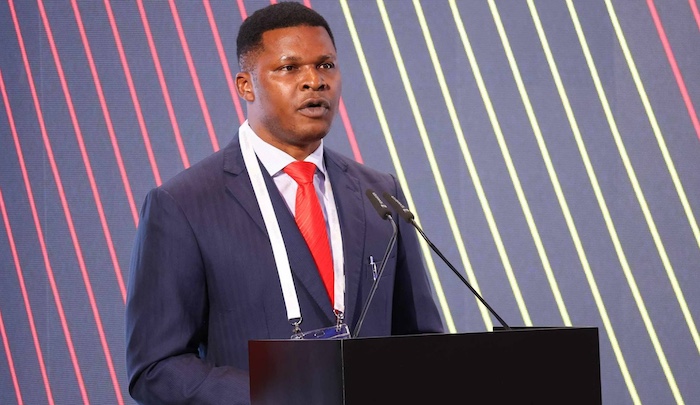
Ayuk further stressed that stakeholders from Africa are no longer prepared to endorse platforms that do not uphold principles of inclusion and local content. He added, "A lot of Africans feel that all the progress and gains made by our oil industry on local content are constantly being stomped on by groups like Frontier. We’ve had enough."
The AEC has contended that while the summit benefits from African governments, capital, deals, and participation, it has failed to generate adequate opportunities for African and Black professionals within its own operational structure.
Consequently, a number of ministers have opted not to attend, casting doubt on the summit's capacity to retain its status as a leading gateway to Africa's upstream oil and gas sector without robust representation from African governments.
The current situation in London has rapidly evolved into a symbolic contest over the future trajectory of African energy politics.
For an extended period, African governments, businesses, and advocacy organizations have championed the continent's prerogative to manage its hydrocarbon resources on its own terms. They have advocated for pragmatic energy policies, enhanced domestic engagement, more equitable commercial arrangements, and a transition strategy that aligns with Africa's development realities, rather than succumbing to external ideological pressures.
In this context, the AEC frames the boycott as a component of a larger campaign for dignity, self-determination, and access to the institutions that shape the narrative surrounding Africa's oil and gas sector.
The ministers' decision signifies that participation in global energy forums focused on Africa can no longer be taken for granted. It underscores the principle that presence must now be accompanied by genuine inclusion.
Comments (0)
You must be logged in to comment.
Be the first to comment on this article!