
Arise News analyst Dayo Sobowale has cautioned that the proposed relocation of Nigeria’s service chiefs to Maiduguri is unlikely to eradicate terrorism and could instead endanger military leadership, potentially worsening the nation's security situation.
During an interview with ARISE News on Wednesday, Sobowale questioned the efficacy of this relocation strategy, pointing out that similar past initiatives have had minimal impact on curbing terrorist activities across the country.
"I believe that previous relocations have done very little to reduce terrorism," he stated, emphasizing that such approaches fail to address the fundamental causes of insecurity.
He further warned that concentrating senior military officials in a single location could create significant vulnerabilities, making them easier targets for insurgent groups equipped with advanced surveillance technology.
"Requiring our service chiefs to relocate to Maiduguri means the adversary will know their exact location," he remarked. "If they possess geolocation capabilities, they can easily pinpoint their whereabouts."
Sobowale suggested that this strategy might prove detrimental, especially in the context of modern asymmetric warfare where adaptability and intelligence gathering are paramount.
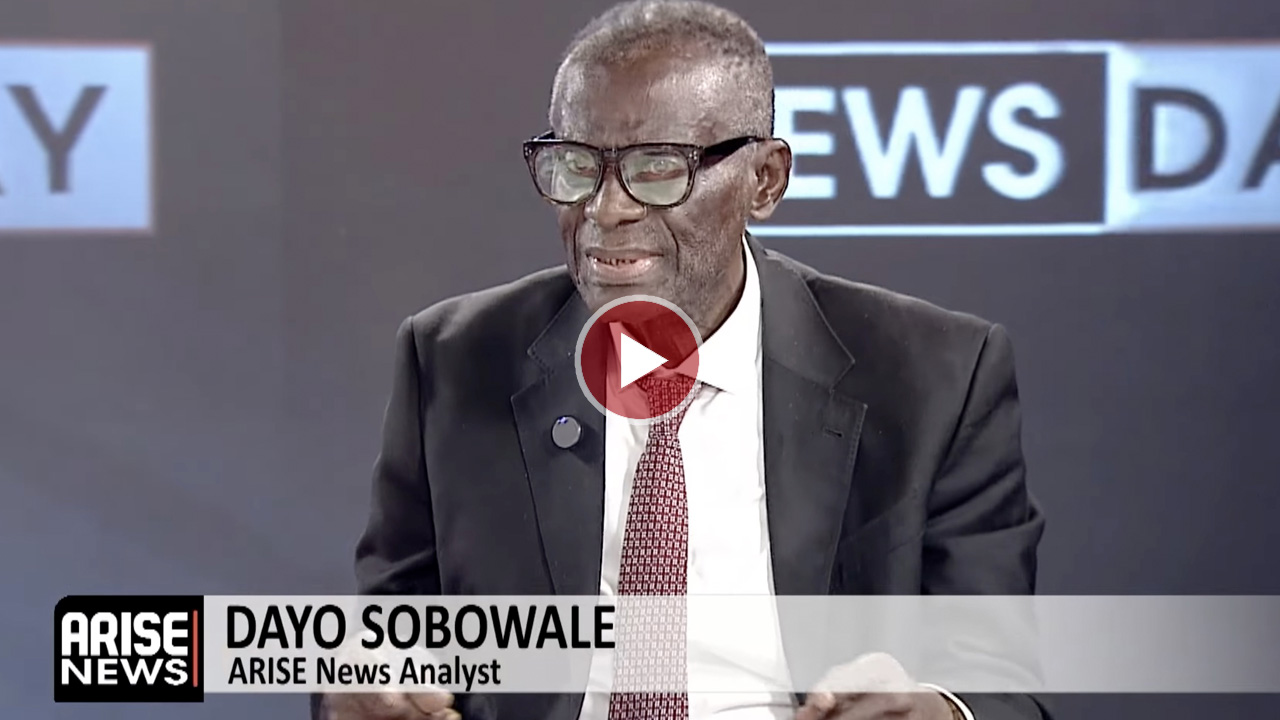
He stated, "That is not the solution, even though the President meant well. In fact, it can be counterproductive."
Drawing parallels with international conflicts, he referenced instances in the Middle East, particularly involving Iran and Israel, where the concentration of leadership has led to targeted attacks.
"They have decapitated leadership on two or three occasions because they were gathered in one location," he said, advising Nigeria to learn from these experiences.
He also referred to ongoing conflicts, such as the war between Russia and Ukraine, noting the increasing reliance on technology, intelligence, and decentralized command structures in contemporary warfare.
"In modern warfare... you must learn from these conflict situations," he asserted, urging Nigeria to adopt more sophisticated strategies, including the use of drone technology and enhanced intelligence systems.
Sobowale also criticized what he perceived as a lack of strategic coordination, noting that crucial security officials were sometimes absent from the country during critical periods.
"It does not present a good image, and it does not appear strategically sound," he commented.
He underscored the necessity for Nigeria to update its intelligence framework, improve surveillance capabilities, and implement a more cohesive strategy for combating insecurity.
"We must modernize our intelligence... examine our geolocation, teamwork, terrain, and other relevant factors," he advised.
Regarding the multifaceted nature of insecurity in Nigeria, Sobowale observed that various forms of violence are prevalent across different regions, ranging from insurgency in the North-East to widespread kidnappings and banditry elsewhere.
"They are almost geographically distributed," he noted, highlighting the complexity of the security challenges.
He advocated for the establishment of a centralized command system capable of providing real-time information and facilitating more effective decision- making.
"What is important for us is to have a command post... something like a dashboard for us to monitor developments," he suggested.
In conclusion, Sobowale emphasized that Nigeria must transition from merely reactive measures to proactive, intelligence-driven strategies if it aims to effectively combat terrorism and restore security nationwide.
Comments (0)
You must be logged in to comment.
Be the first to comment on this article!