
On January 19, a gathering took place in Lagos, uniting filmmakers, healthcare workers, and the public for a day dedicated to film and discussions designed to promote deeper conversations regarding women's health and bodily autonomy in Nigeria.
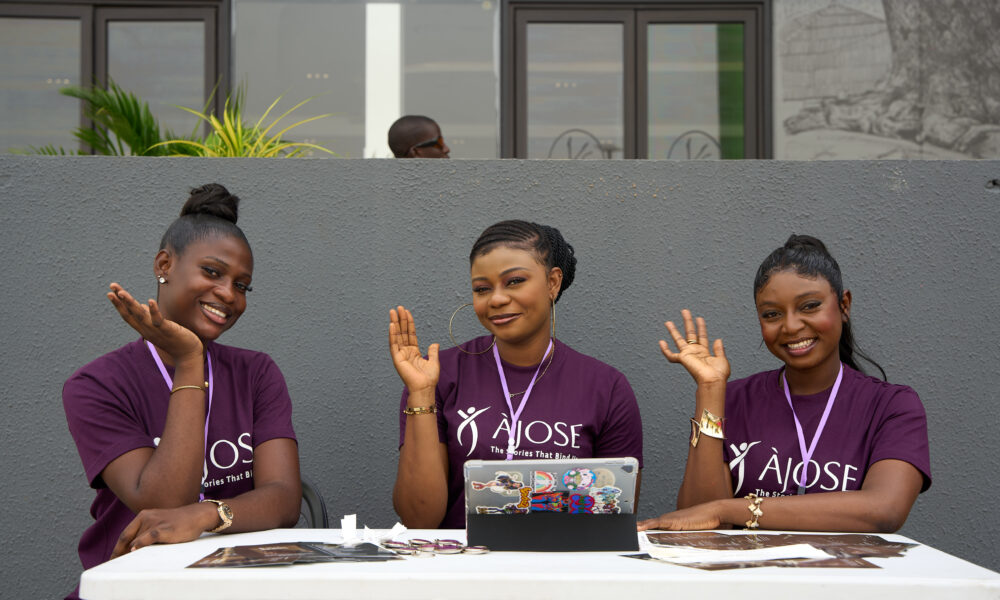
The event, titled ÀJOSE: The Stories That Bind Us, included film screenings and discussions aimed at exploring women's reproductive health through personal narratives and cultural reflections.
Organized by Ajose Nigeria, this event utilized storytelling as its foundation, juxtaposing cinematic narratives, medical perspectives, and cultural insights to address how silence and stigma continue to shape women's health outcomes in Nigeria.
The highlight of the event was the screening of Silence Is Loud, a short film directed by Abba Makama, which garnered significant audience engagement for its subtle yet impactful depiction of the often unspoken challenges surrounding women’s bodies, health decisions, and family dynamics.
Additionally, the event featured preview screenings of two notable works, namely Chika Okoli’s thought-provoking documentary Care or Control? and the original animated series Dr. Majek and the Ghost, produced by Magic Carpet.
The discussions that ensued provided a platform for examining themes of bodily autonomy and the conflict between cultural traditions and medical ethics as represented by these artists' unique visions.
Participants delved into the “Truths and Myths” installation, an immersive visual exhibition that compared widely accepted beliefs about women's reproductive health with medically substantiated facts, with many attendees expressing that the experience was both challenging and resonant, reflecting narratives they have navigated throughout their lives.
Panel discussions, including one entitled Care or Control, were held, bringing together medical experts, filmmakers, and cultural figures to explore the delicate balance between care and coercion in the realm of women’s health. Key topics included maternal mortality rates, medical ethics, safe vs. unsafe abortion, consent, and the societal pressures that often hinder women’s autonomy in healthcare settings.
Rumunse Obi, project manager for Pamoja, after the event, underlined that ÀJOSE was deliberately reflective in nature.
“The conversations confirmed a willingness to engage more openly,” stated the organizing team. “ÀJOSE illustrated how film can serve as a medium to address challenging subjects without resorting to sensationalism, allowing complexity, discomfort, and empathy to coexist.”
ÀJOSE: The Stories That Bind Us heralds the commencement of a more extensive initiative by Ajose Nigeria aimed at fostering cultural engagement through film and public discussions to stimulate informed dialogues surrounding women’s health and bodily autonomy in Nigeria.
The films are slated to be available on Zikoko’s platforms starting February of this year.
For media inquiries or to request post-event resources, please contact:
Opeyemi Ewumi
Email: [email protected]
Phone: +2347081291437
Comments (0)
You must be logged in to comment.
Be the first to comment on this article!