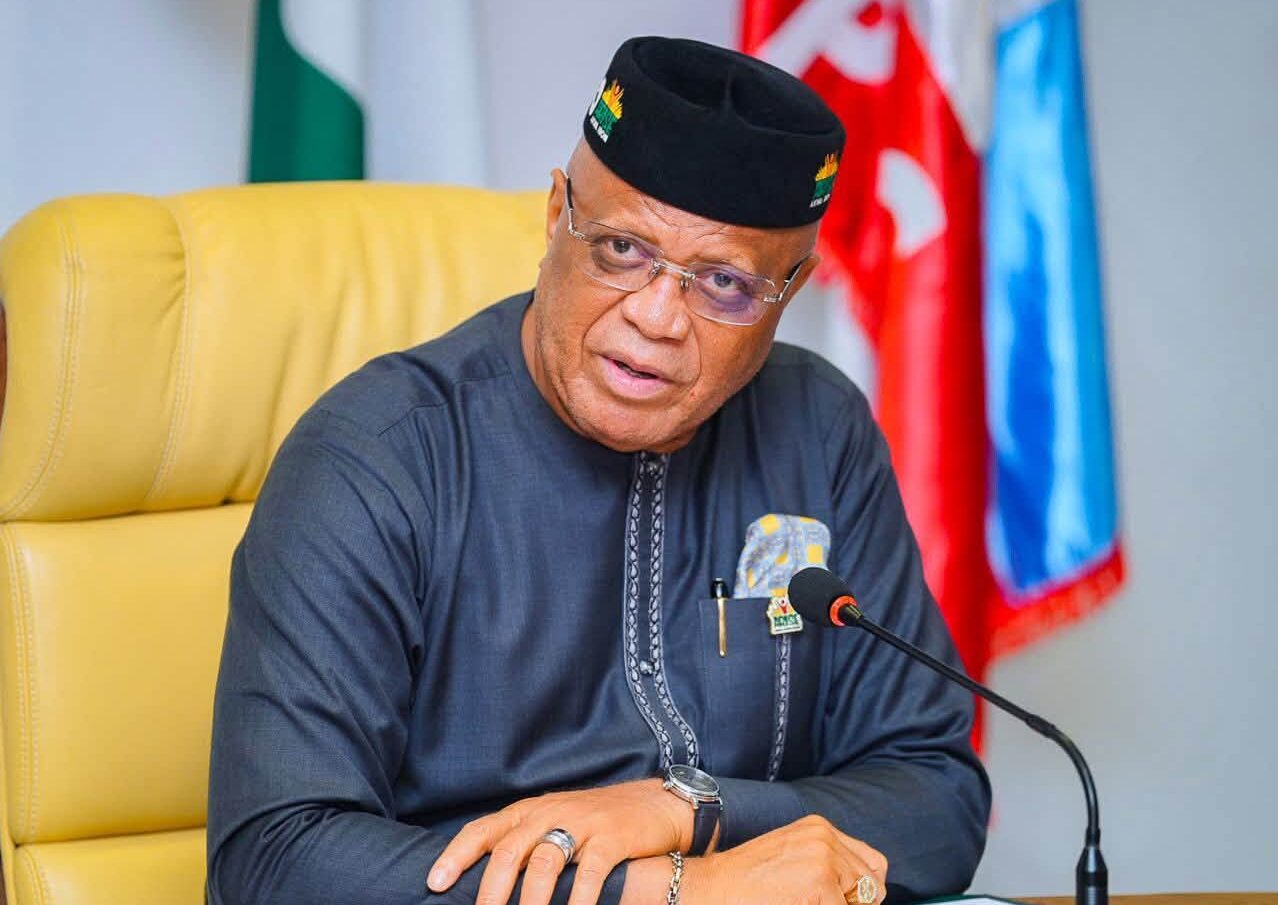
The Akwa Ibom State Government has accumulated a total public revenue of at least N3.218 trillion across the first 41 months of Governor Umo Eno’s tenure, significantly boosting the state's financial capacity. This influx comes amid growing public debate over the administration's decision to omit comprehensive expenditure details from its official financial documents.
Data obtained from the state's third-quarter 2026 Budget Performance Report reveals that the oil-rich state pulled in N284.37 billion between July and September 2026. Governor Umo Eno assumed office on 29 May 2023, and previous financial disclosures tracked by media monitors had already established cumulative earnings of N2.934 trillion up to June 2026, pushing the overall tally past the N3.2 trillion milestone.
What are the primary drivers of the recent quarterly income?
According to the latest fiscal documents, recurrent revenue accounted for N275.37 billion of the third-quarter inflow. This figure includes N250.61 billion sourced from the Federation Account Allocation Committee (FAAC) and N24.76 billion generated internally as independent revenue. Additionally, the state recorded N9 billion under the Capital Development Fund receipts, largely driven by loan disbursements.
How was the money spent during the third quarter?
Despite recording substantial financial inflows, the state government reported an aggregate expenditure of N87.2 billion for the three-month period under review. A breakdown of the spending indicates that personnel expenses, alongside pensions and gratuities, gulped N36.25 billion, while other recurrent expenditures took N19.7 billion. Capital projects accounted for N31.25 billion, meaning that recurrent commitments outweighed capital investments during the quarter.
Critics and governance watchdogs have pointed out that the published document lacks crucial breakdowns. The report did not specify individual FAAC allocations, the exact types of loans secured, or ministry-by-ministry remittances. Furthermore, it failed to itemize the specific capital projects executed, their physical locations, or financial allocations per project, making independent tracking challenging.
Why are transparency advocates concerned?
The release of the third-quarter figures has amplified worries regarding fiscal transparency in the sub-national government. Observers noted that out of the eight pages comprising the budget document, three were left completely blank. This follows a pattern observed in previous quarters where capital expenditure disclosures were significantly curtailed, deviating from earlier practices where quarterly reports spanned over 40 detailed pages.
Under the Akwa Ibom State Fiscal Responsibility Law, the government is mandated to maintain transparent financial practices, which include the timely and comprehensive publication of all public revenue and expenditure transactions. With cumulative earnings now surpassing N3.2 trillion, citizens and civil society stakeholders continue to press for granular disclosures to ensure optimal accountability in governance.