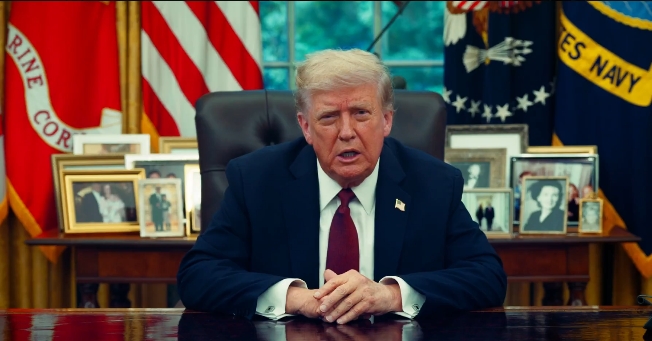
Following the Democratic Party's decisive victory in the United States midterm elections, the political landscape confronting the United States government has fundamentally shifted. With both chambers of Congress now under Democratic control, lawmakers possess the legislative leverage to obstruct remaining domestic agendas, step up institutional oversight, and challenge high-profile policies enacted by Donald Trump.
For various African administrations navigating complex bilateral ties, this political realignment could theoretically offer some respite. Yet, a diminished legislative standing inside Washington does not automatically translate into a moderated foreign agenda. Historical precedent demonstrates that when American leaders face stiff congressional resistance, they frequently lean more heavily on executive authority to achieve their strategic goals.
How will executive actions shape foreign policy?
Several defining characteristics of the administration's secondary tenure suggest that unilateral maneuvers could become more pronounced. Diplomacy has grown increasingly personalized, with executive relationships dictating diplomatic priorities. Furthermore, with a limited timeline remaining in office, the executive branch remains heavily focused on securing a durable legacy through visible international compacts, commercial pacts, and prominent displays of hard power.
Strategic competition with global rivals, particularly over critical minerals, trade routes, and infrastructure, continues to drive external engagements. As legislative avenues narrow, the incentive to pursue visible international victories through unilateral instruments increases significantly.
What are the historical precedents for unilateral action?
Past administrations consistently turned to executive measures following congressional setbacks. Following the 2006 midterm losses, George W. Bush escalated military deployments. Similarly, Barack Obama relied extensively on regulatory powers and executive instruments to advance environmental and diplomatic objectives after legislative losses. In a parallel manner, during previous congressional shifts, Donald Trump utilized unilateral trade measures, executive declarations, and restrictive directives to bypass legislative gridlock.
When opposing legislators assume control of congressional committees, they retain investigative powers and influence over defense expenditures and foreign assistance. However, procedural hurdles such as the Senate filibuster and presidential vetoes complicate efforts to completely reverse existing directives.
What are the implications for African nations?
For the African continent, this environment presents a complex mix of vulnerabilities and opportunities, dictated less by congressional goodwill than by individual commercial bargaining powers. Certain nations face immediate exposure; recent notices regarding the termination of trade eligibility programs under historical frameworks illustrate how bilateral friction can override legislative extensions.
Countries offering vital strategic resources, critical mineral reserves, or crucial counter-terrorism cooperation find themselves differently positioned. While nations like Kenya, Zambia, and Morocco align closely with broader security and economic interests, others experience mounting diplomatic pressure regarding governance or security challenges. For Nigeria and Egypt, strategic defense and regional stability priorities continue to sustain cooperation, even as governments navigate unpredictable diplomatic expectations and scrutiny over domestic issues.
Ultimately, a weakened domestic standing inside Washington should not be conflated with diminished international ambitions. As the executive branch seeks tangible achievements before the conclusion of the presidential term, countries across the African continent must prepare for a dynamic and transactional diplomatic environment.