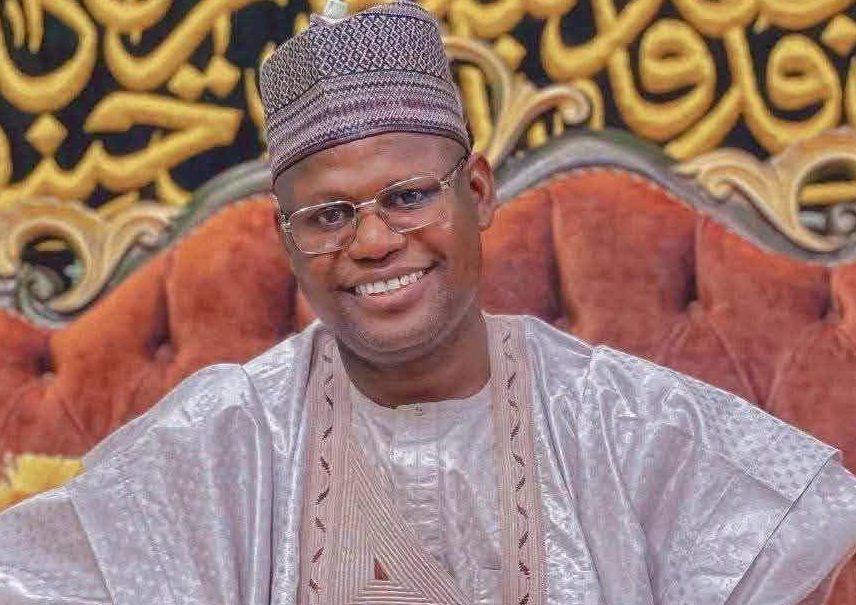
The killing of Sheikh Yahaya Ibrahim Masussuka and his companion Adamu Abubakar in Dutsin-Ma, Katsina State, on October 26, represents a further escalation of insecurity in the country. Two gunmen riding on a motorcycle reportedly opened fire outside the cleric's residence and escaped, leaving both men dead. Ansaru, a jihadist organisation, claimed responsibility in a video, describing Masussuka as an 'infidel' and threatening others who reject its interpretation of Islam. Its claim is grave, but investigators must establish who ordered and executed the killings. Masussuka was an Islamic preacher who advocated peaceful coexistence among Nigerians of every faith, opposed violent extremism and owned a Qur'anic television, radio and school. Ansaru reportedly targeted him over his teachings, his criticism of certain Hadith traditions and, most disturbingly, his advocacy of interfaith tolerance. No doctrinal disagreement can licence murder. His assassination is an assault on religious freedom and a threat to moderate Muslims.
The pattern belongs to a wider security crisis. In Oyo, abductors killed teacher Michael Oyedokun and circulated footage of his beheading; another Oyo kidnapping case has seen a beheading video admitted in court. Such atrocities, like ransom kidnappings, attacks on rural communities by armed Fulani herdsmen groups and other bandit gangs, reveal a common method: terrorise civilians, spread fear and force the state and society into submission. This is a structural resemblance showing that these jihadist groups are guided by the same ideological principles. Ansaru emerged from Boko Haram, while ISWAP is a separate jihadist faction that allied with Boko Haram factions. It is so unfortunate that such groups have been flowering in the North over the past 17 years. The authorities must investigate operational links, shared logistics, weapons, financing and local collaborators rather than blur distinctions.
The assassination follows a recent disturbing viral video from Zamfara in which a young man and other youths reportedly called for AK-47s to attack Christian worshippers in Enugu and Jos. The police took the suspect into custody. Such threats, like Ansaru's, expose the danger posed by violent preaching and impunity. Religious organisations must discipline inciters, while government must investigate and prosecute identified threats. Singapore, a multireligious country, uses its Maintenance of Religious Harmony Act to restrain religious leaders who incite hostility and punish advocacy of religious violence, with review safeguards.
Nigeria should strengthen comparable, constitutionally protected enforcement, monitor credible threats, protect threatened clerics and prosecute financiers and gunmen. President Bola Tinubu and the Katsina State Government should ensure the culprits and their sponsors are swiftly identified, arrested and prosecuted. Failure will normalise the targeting of tolerant Muslims, alongside ransom kidnapping and attacks on indigenous communities by armed herder-militias. Nigeria cannot advertise itself as a stable federation while citizens are hunted for their beliefs. Protecting every Nigerian's right to worship, dissent peacefully and coexist is indispensable to national unity.