Caring Africa has urged federal and state authorities to promptly roll out the newly endorsed National Care Policy and Implementation Plan covering 2026 through 2030. The advocacy group, which collaborated as a technical ally with the Federal Ministry of Women Affairs and Social Development during the formulation stages, emphasized that securing approval is merely the foundational step toward establishing a robust nationwide architecture for childcare, elderly support, and other paid and unpaid care services.
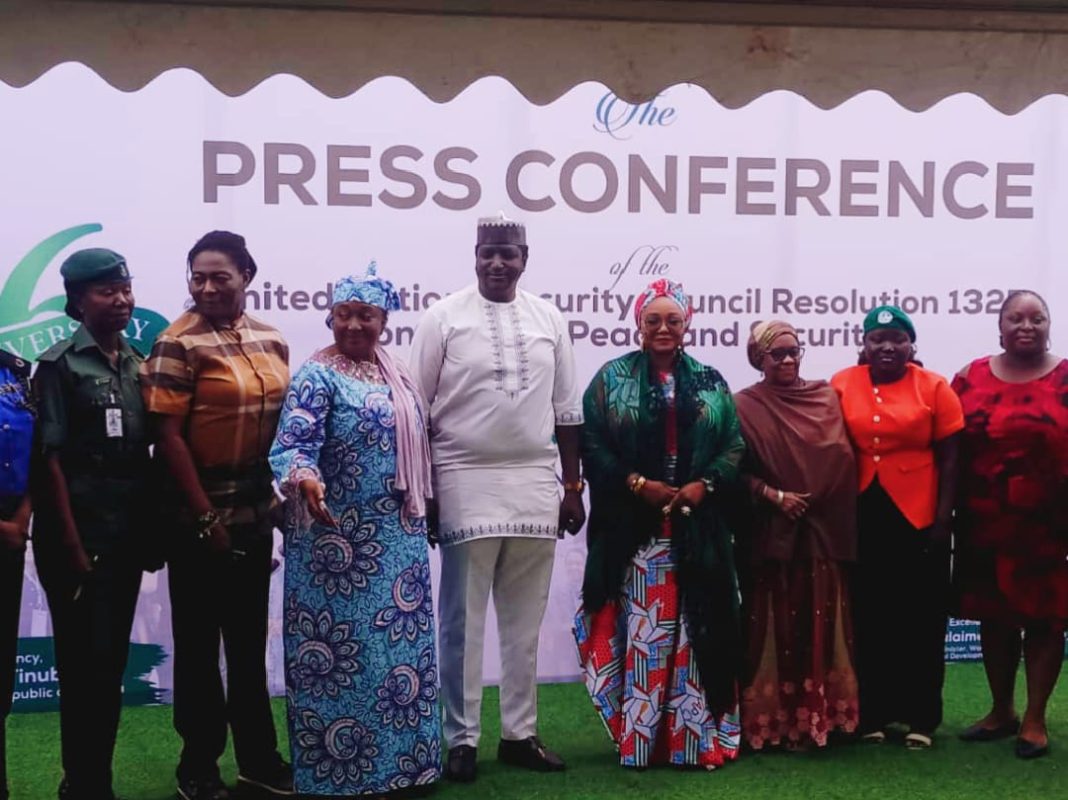
The Federal Executive Council, headed by President Bola Tinubu, greenlit the framework alongside the National Action Plan on Ending Violence Against Children and the National Policy on Menstrual Health and Hygiene Management for the same period. Women Affairs Minister Imaan Sulaiman-Ibrahim formally unveiled these approvals during a media briefing in Abuja, coinciding with the 26th anniversary commemoration of United Nations Security Council Resolution 1325 on Women, Peace and Security.
What are the core components of the National Care Policy?
According to the ministry's policy documents, the framework officially acknowledges unpaid care labour, encourages structured childcare and aged care services, institutes baseline operational standards for facilities, and establishes a dedicated National Care Fund.
Advocates have stressed the imperative of domesticating these guidelines across all federation units. Blessing Adesiyan, the founder and Chief Care Officer of Caring Africa, noted that because critical public services like education, healthcare, and general social welfare are predominantly administered sub-nationally, buy-in from all 36 states is vital for success.
"A federal policy that stays in Abuja will not change anything for a woman looking for childcare in Oshodi or caring for her mother in Sokoto," Ms Adesiyan remarked, pushing for aggressive sensitization across the country's six geopolitical zones.
With this approval, Nigeria joins a growing roster of global jurisdictions instituting comprehensive care frameworks. Brazil instituted its national care framework in 2024 backed by a funded scheme, Chile enacted its care system into law, and Kenya initiated regional implementation at the county level. Global bodies like UN Women currently provide technical backing to over 50 nations pursuing similar structural reforms.
How will the framework regulate the sector?
The comprehensive blueprint spans 11 focal areas, encompassing unpaid labour infrastructure, maternal and newborn health, eldercare, disability support, workforce standards, market regulation, financing mechanisms, and employer- provided accommodations.
For childcare, the blueprint introduces tiered licensing protocols, minimum spatial and staffing requirements, hygiene benchmarks, and a unified registry for sector workers. It also outlines pathways for informal crèches to transition into formal compliance rather than facing outright exclusion.
Labor protections feature prominently, proposing that caregiving be officially classified as a recognized occupation under Nigerian labor law. This includes formal certification pathways, baseline minimum wage floors, and guaranteed access to health insurance and pension schemes.
What impact will the policy have on the economy?
Data highlighted by Caring Africa indicates that women and girls shoulder approximately 80 percent of domestic and care labor burdens in the country, averaging about 4.3 hours daily compared to just over an hour for men. Furthermore, statistical estimates suggest that only five percent of toddlers aged zero to two are enrolled in licensed facilities.
According to projections by the National Bureau of Statistics, institutionalizing and expanding the care economy could unlock up to 17 million job opportunities. Independent research further shows that accessible, high-standard childcare facilities could enable nearly 1.7 million additional mothers to rejoin the active workforce by 2030.